
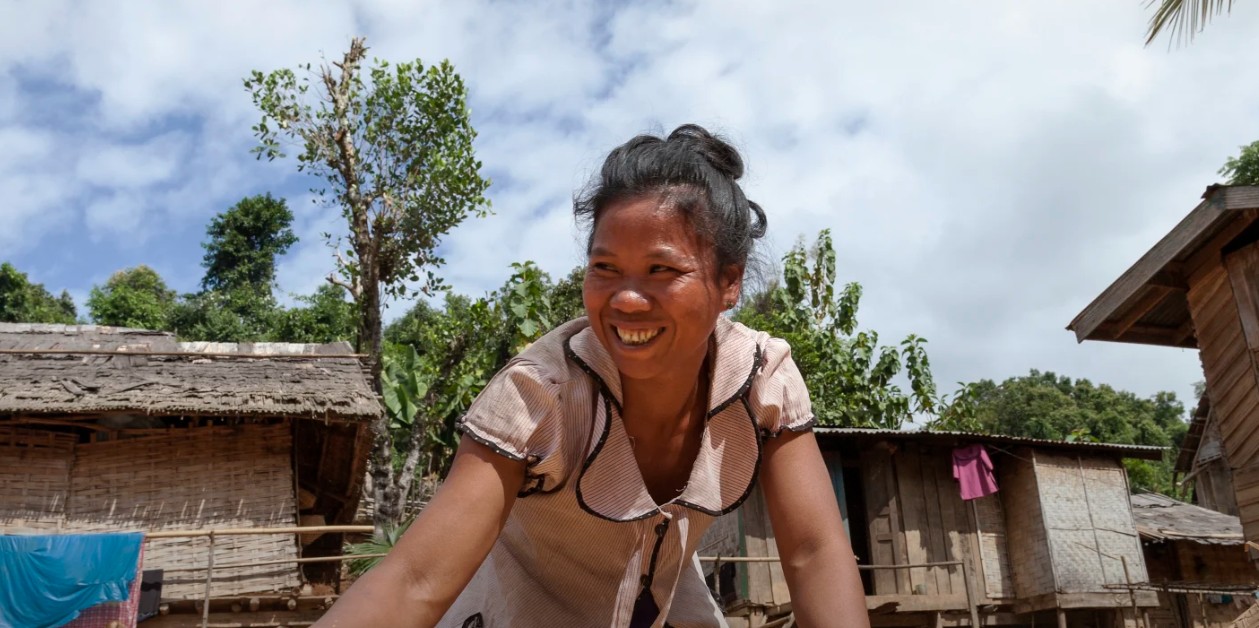
In “Women’s Economic Power in Action: Creating Jobs and Expanding Opportunity for Women Across East Asia and Pacific,” the World Bank Group highlights how expanding women’s economic participation is essential for reducing poverty and sustaining growth in the region. The report argues that despite improvements in education and skills, structural barriers (such as limited access to finance, land, infrastructure, and labor opportunities) continue to constrain women’s economic potential. Addressing these constraints is presented as a key driver of productivity, resilience, and inclusive development.
Structural Barriers to Women’s Economic Participation
Across East Asia and the Pacific, women face persistent limitations that restrict their ability to fully participate in the economy. These include:
- Limited access to financial services and capital
- Restricted land ownership and property rights
- Unequal access to markets and infrastructure
- Care responsibilities that reduce labor participation
- Exposure to financial and social vulnerabilities
These barriers create a gap between women’s capabilities and their actual economic outcomes, limiting both individual income and broader economic growth.
From Agriculture to Entrepreneurship: Expanding Opportunities
The report presents multiple country-level examples showing how targeted interventions can unlock women’s economic potential.
In Cambodia, women are transitioning from subsistence farming to market-oriented agribusiness, supported by financing, training, and infrastructure. This shift allows them to stabilize income, improve productivity, and take leadership roles in production and commercialization.
Similarly, in Indonesia, women entrepreneurs are leveraging digital tools and training to expand small businesses, particularly in tourism. Access to digital marketing and online platforms has enabled them to reach new markets and increase income stability.
Financial Inclusion and Protection Mechanisms
Access to financial systems is not only about inclusion but also about safety. In Papua New Guinea and other countries, initiatives like IFC’s Empower Finance Alliance address financial abuse, which undermines women’s control over their income and assets.
By improving financial safeguards, training bank staff, and strengthening customer protections, these programs enhance trust in financial institutions and support women’s long-term economic autonomy.
Social Protection and Human Capital Development
In the Philippines, conditional cash transfer programs demonstrate how social protection policies can strengthen women’s economic resilience. These programs:
- Provide income stability
- Support children’s education and health
- Improve financial decision-making skills
By targeting mothers as primary beneficiaries, these initiatives reinforce women’s role in household economic management and long-term human capital development.
Infrastructure, Land Rights, and Labor Participation
The report also emphasizes structural enablers of women’s economic participation:
- In Vanuatu, resilient infrastructure improves access to markets and services, allowing women to sustain livelihoods.
- In Lao PDR, secure land rights enhance women’s control over assets and economic opportunities.
- In Indonesia, addressing childcare constraints through family-friendly workplace policies can significantly increase female labor force participation.
These examples show that economic empowerment depends not only on jobs, but also on enabling systems.
Workplace Conditions and Productivity
In Vietnam, improving workplace conditions—particularly reducing harassment and promoting respectful environments—has led to measurable gains in productivity and worker retention.
This highlights a key insight: inclusive and safe workplaces are not only socially beneficial but also economically efficient.
Reference
World Bank Group. (2026, March 6). Women’s economic power in action: Creating jobs and expanding opportunity for women across East Asia and Pacific.
https://www.worldbank.org/en/news/immersive-story/2026/03/06/