
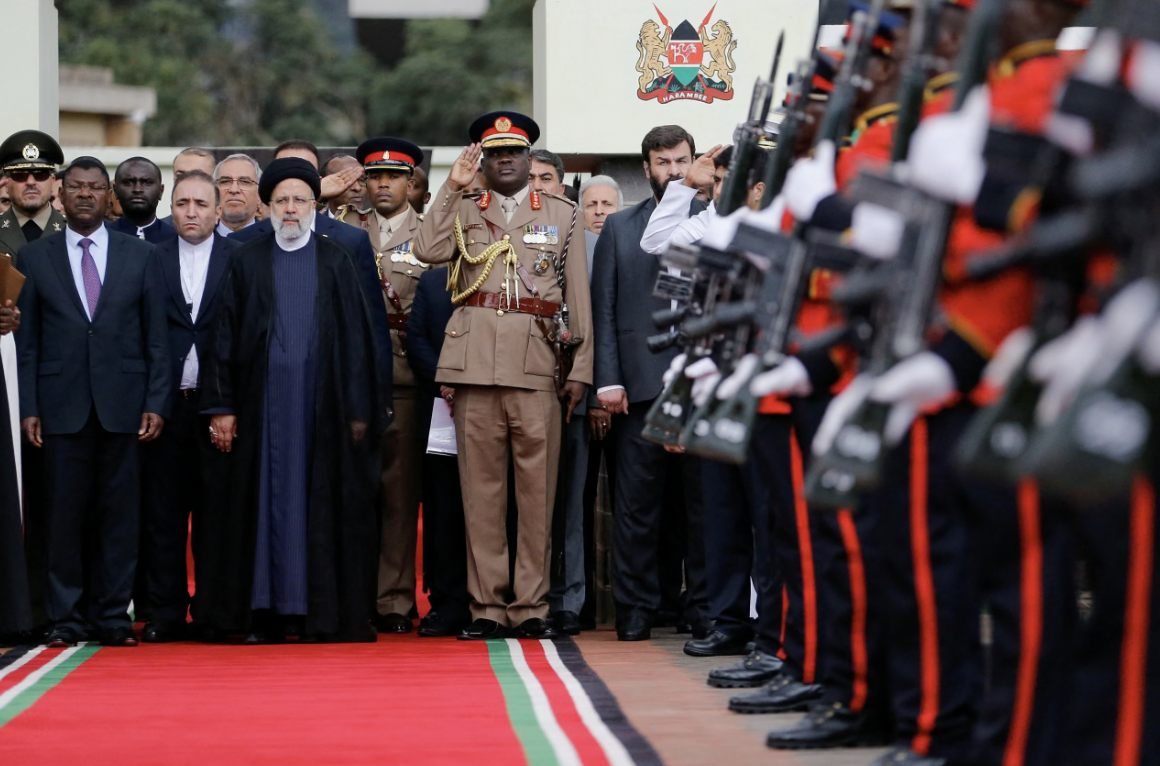
Cautious Continental Response
First, American governments adopt restrained positions, emphasizing neutrality while avoiding explicit alignment with Iran or its adversaries.
Diplomatic Balancing
Moreover, reactions reflect diverse diplomatic ties with the United States, Israel, and Iran, shaping varied responses across the continent.
Rejection of Iranian Alignment
Importantly, most states decline to support Tehran, despite its long-standing diplomatic and military outreach in Africa.
Calls for De-escalation
Meanwhile, the African Union promotes restraint, dialogue, and diplomatic engagement, setting a cautious and unified tone.
Strategic Silence Explained
Subsequently, silence reflects complex geopolitical entanglements and concerns about economic consequences of the conflict.
Competing External Influences
At the same time, African countries balance Iran’s outreach with growing ties to Gulf states and Israel’s development partnerships.
Religious and Political Tensions
However, divisions persist, as some Sunni-majority countries distrust Iran’s intentions, viewing its engagement as ideological and strategic expansion.
Historical Frictions
For instance, past incidents, including diplomatic expulsions and severed ties, illustrate long-standing suspicions toward Iranian involvement.
Israeli and Western Leverage
Similarly, cooperation with Israel in development sectors and agreements with Washington discourages alignment against their interests.
Economic Calculations
Consequently, many governments prioritize economic stability, fearing disruptions to fuel and fertilizer supplies linked to the Strait of Hormuz.
Dependency and Vulnerability
Finally, reliance on imported energy amplifies caution, as the conflict threatens inflation, trade, and broader economic security across the continent.
Source:
Obadare, E. (2026). Africa’s silence on the Iran war speaks volumes. Council on Foreign Relations. https://www.cfr.org/articles/africas-silence-on-the-iran-war-speaks-volumes