
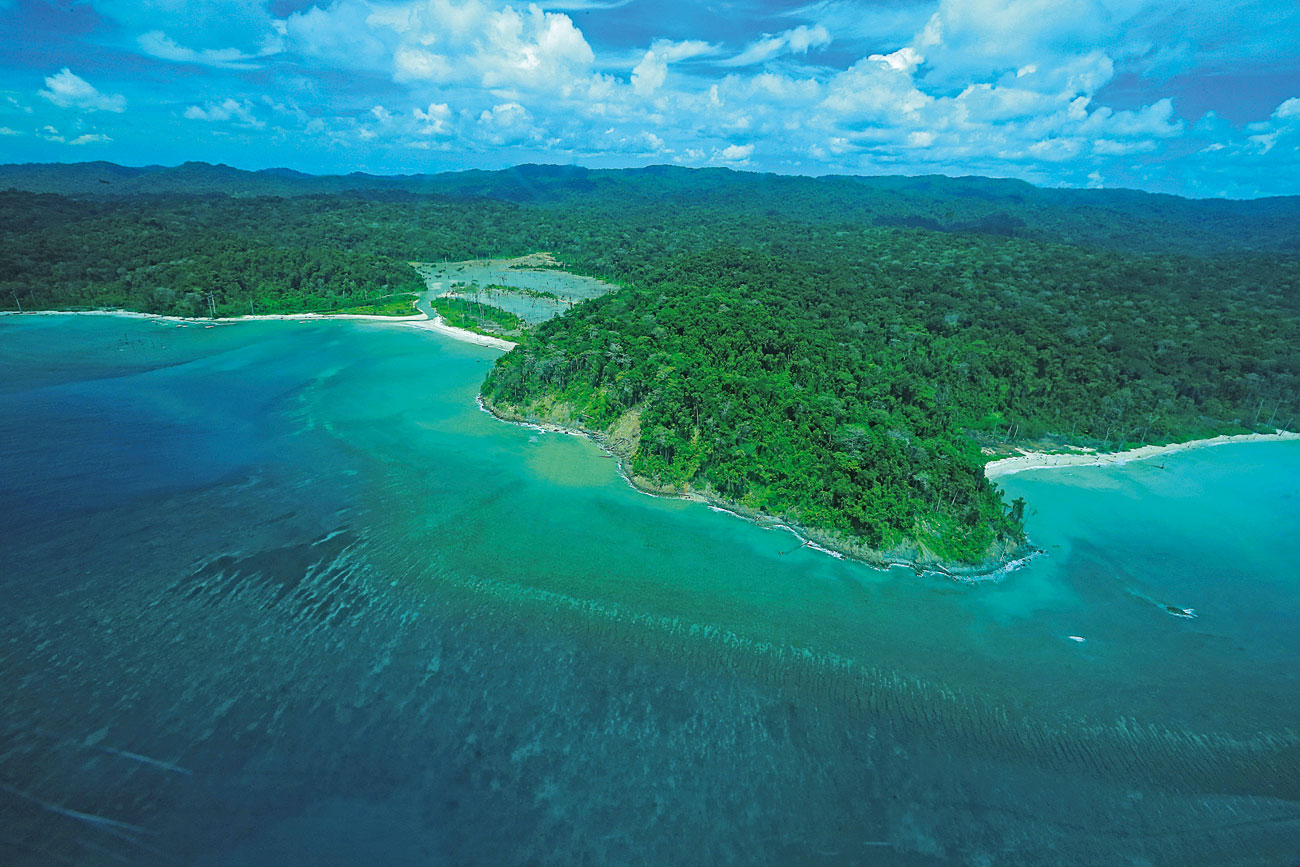
The Prime Minister Narendra Modi-led Indian government is advancing an 11 billion dollar mega-development plan. On Great Nicobar Island, a remote territory closer to Southeast Asia than mainland India. Located near the western entrance of the Strait of Malacca. The island sits adjacent to critical shipping lanes through which one-third of global trade flows. This includes 80 percent of China’s oil imports and two-thirds of its total maritime trade, giving the island immense geopolitical significance.
While initially marketed as a trade-focused initiative to rival ports like Singapore and Hong Kong. Moreover, the project’s justification has shifted heavily toward national security. The blueprint includes a transhipment port, a civilian-military airport, a power plant, and a township designed to accommodate 350,000 residents. Further, representing a 4,000 percent population increase on an island currently home to fewer than 10,000 people. Defense analysts note the development will bolster India’s tri-service command in the region and elevate its maritime domain awareness, allowing New Delhi to monitor Chinese traffic. Some strategic thinkers suggest Great Nicobar could function as a choke point to block Chinese trade during a conflict. Though naval experts dismiss the feasibility of an airtight blockade and suggest its real value lies in localized maritime surveillance.
In addition, the project faces intense pushback from opposition politicians, locals, and global human rights and environmental watchdogs. Critics, including 39 genocide experts who wrote to the Indian president, warn the massive development threatens the survival of the Shompen. Which is a vulnerable, seminomadic hunter-gatherer tribe, and will displace the indigenous Nicobarese fishing community. Environmental concerns are equally severe, as the project requires clearing nearly one million trees in a highly biodiverse ecosystem. Furthermore, activists note that Great Nicobar sits in a high-risk seismic zone, highlighting that the 2004 tsunami permanently lowered the southern coastline by several meters. Opponents argue the national security framing is merely a political narrative to shield a destructive commercial project. Obviously that poses a severe liability to both the island’s fragile heritage and India’s long-term defense.
Ultimately, the Great Nicobar mega-project encapsulates a high-stakes trade-off. Between India’s urgent national defense ambitions and the survival of a fragile ecosystem. While New Delhi views the island as a vital geopolitical asset capable of monitoring and potentially countering Chinese influence along critical Malacca Strait shipping lanes. The initiative risks wiping out vulnerable indigenous tribes, destroying ancient rainforests, and placing massive infrastructure in a highly unstable seismic zone. In conclusion, whether the project achieves its goal of securing India’s borders or ends up as an environmental and humanitarian disaster. It depends heavily on whether the government chooses to heed the growing warnings of experts and locals.
Reference
Sharma, Y. (2026, June 3). Is the Great Nicobar Island India’s Hormuz-like chokepoint against China? Al Jazeera. https://www.aljazeera.com/features/2026/6/3/is-the-great-nicobar-island-indias-hormuz-like-chokepoint-against-china