
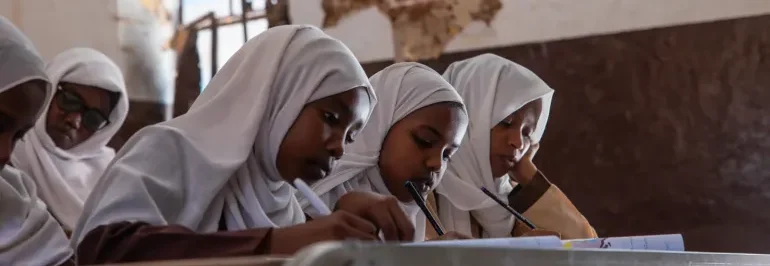
Conflict has disrupted education for hundreds of thousands of students
UNICEF warns that years of conflict in Sudan have severely affected learners’ educational trajectories. Hundreds of thousands of students have been unable to complete their studies or sit for national examinations because of violence, displacement, and school disruptions. For many young people, participating in a nationally recognized examination represents an opportunity to continue their education, access future employment, and regain a sense of normalcy after years of uncertainty.
A unified examination system is essential for educational equity
The organization stresses that all Sudanese students should have access to the same national examinations regardless of whether they live in conflict-affected areas, displacement settings, or more stable regions. According to UNICEF, a unified examination system helps preserve the value of academic qualifications, promotes fairness among learners, and prevents the creation of parallel certification systems that could limit future opportunities for an entire generation.
Education must remain a pathway to recovery and future opportunities
UNICEF calls on the Government of Sudan and all parties involved in the conflict to establish practical arrangements that allow examinations to be administered safely and consistently throughout the country and in nations hosting Sudanese refugees. The organization argues that recognized qualifications are essential for accessing higher education, developing professional skills, and supporting Sudan’s long-term recovery. Protecting educational continuity today will help safeguard the prospects of millions of young people tomorrow.
Reference
United Nations Children’s Fund (2026, 10 June). UNICEF: All Sudanese students must have equal opportunity to sit national exams wherever they are. UNICEF. https://www.unicef.org/press-releases/unicef-all-sudanese-students-must-have-equal-opportunity-sit-national-exams-wherever