
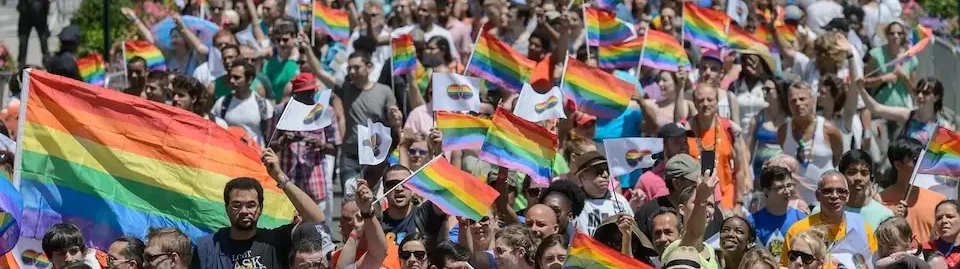
Pride Month as a Space for Visibility and Inclusion.
Every June, Pride Month commemorates the 1969 Stonewall uprising, a defining moment in the struggle for LGBTQ+ rights. Beyond celebrating diversity, the observance raises awareness about the challenges LGBTQ+ individuals continue to face worldwide. UNICEF highlights that children and adolescents benefit from environments where they feel represented, respected, and valued. Ensuring visibility and inclusion helps young people develop a stronger sense of belonging while promoting their rights and well-being.
Educational Barriers Faced by LGBTQ+ Students.
Schools play a crucial role in children’s development, yet many LGBTQ+ students continue to experience bullying, discrimination, and exclusion in educational settings. UNICEF explains that hostile school environments can affect academic performance, attendance, and engagement in learning. When students feel unsafe, their educational opportunities become limited. Creating inclusive schools that foster respect and acceptance is essential to guaranteeing equitable access to education and supporting the success of all learners.
The Importance of Family and Community Support.
Supportive relationships with family members, educators, and peers are critical for the healthy development of LGBTQ+ children and adolescents. UNICEF notes that acceptance can strengthen self-esteem, resilience, and emotional well-being, while rejection often contributes to feelings of isolation and distress. Positive social environments allow young people to express themselves freely and confidently. Building networks of support helps create conditions where children can thrive academically, socially, and emotionally throughout their development.
Intersectional Challenges in Vulnerable Contexts.
LGBTQ+ children living in situations of poverty, displacement, migration, or humanitarian crises often face multiple forms of vulnerability. According to UNICEF, discrimination can combine with economic and social barriers, limiting access to education, healthcare, and protection services. These circumstances increase the risk of exclusion and violence while reducing opportunities for development. Addressing these challenges requires comprehensive approaches that recognize the diverse realities and needs of vulnerable children and adolescents.
Empowering Youth Voices for a More Inclusive Future.
UNICEF emphasizes that LGBTQ+ youth should be recognized not only for the challenges they face but also for their contributions to society. Around the world, young people participate as students, leaders, advocates, artists, and community members. The organization encourages decision-makers to listen to their experiences and perspectives when designing policies and programs. Meaningful youth participation can strengthen inclusion, promote equality, and help create societies where every child is respected and supported.
Reference
Busch, C. (2026, May 29). This Pride Month, help build a safer world for LGBTQ+ children. UNICEF USA.
https://www.unicefusa.org/stories/pride-month