
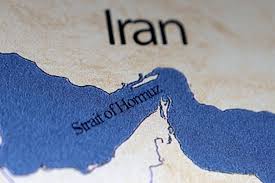
The United States and Iran reached an initial agreement to extend their shaky ceasefire and permanently terminate military operations on all fronts. This historic breakthrough, brokered primarily by Pakistan, aims to reopen the Strait of Hormuz and simultaneously lift the U.S. naval blockade on Iranian ports.
While global stock markets have rallied and oil prices eased in response, diplomatic experts warn that major geopolitical challenges remain before a long-term solution is finalized.
Key Terms of the Initial Agreement
The tentative pact returns the region to its pre-war status, addressing the severe energy shipping disruptions that have driven global inflation upward. According to diplomatic sources, the framework centers on immediate reciprocal actions:
- Lifting the Blockades: Iran will end its closure of the critical Strait of Hormuz, while the U.S. will lift its naval blockade on Iranian ports.
- 60-Day Negotiation Window: Both nations will enter a strict 60-day period to determine the technical details regarding Iran’s stockpile of highly enriched uranium and its nuclear program.
- Official Signing Ceremony: The memorandum of understanding was electronically signed by Vice President JD Vance, with an official in-person signing ceremony scheduled for Friday in Geneva, Switzerland.
The Regional Obstacles Threatening the Ceasefire
Despite the optimistic market reaction, the success of the deal rests heavily on volatile regional dynamics. The most pressing challenge is whether Israel will agree to halt its military operations.
Israeli bombing of Beirut’s southern suburbs nearly derailed the secret negotiations just hours before the announcement. Furthermore, Israel has stated it will not withdraw from Lebanon, creating a direct conflict with Iran’s allied militia, Hezbollah, which recently credited Tehran with a major achievement but remains on high alert.
“We have a final, agreed-upon text, and peace has never been this close,” stated Pakistani Prime Minister Shehbaz Sharif. However, Western intelligence analysts emphasize that resolving the nuclear standoff within the next 60 days remains an uphill battle.
Global Markets Rally as Trump Attends G7 Summit
President Donald Trump hailed the breakthrough on social media, confirming he authorized the removal of the U.S. Naval blockade. Following the announcement, the S&P 500 rose 1.7%, the Dow Jones Industrial Average climbed over 670 points, and the Nasdaq composite jumped 2.7% on hopes of a long-term fix to the global energy crisis.
Trump arrived in the French Alps for the Group of Seven (G7) summit, looking to build diplomatic momentum. French President Emmanuel Macron indicated that France and other Western partners stand ready to quickly deploy a joint maritime mission to restore normal shipping traffic in the Strait of Hormuz as soon as the formal treaty is finalized.
Referencia
Gambrell, J., & Becatoros, E. (2026, 15 de junio). Iran and US reach an initial deal to end the war and open the Strait of Hormuz but challenges remain. Associated Press. https://apnews.com/article/iran-us-war-oil-june-15-2026-77406473da38c6c126818610a219dc20