
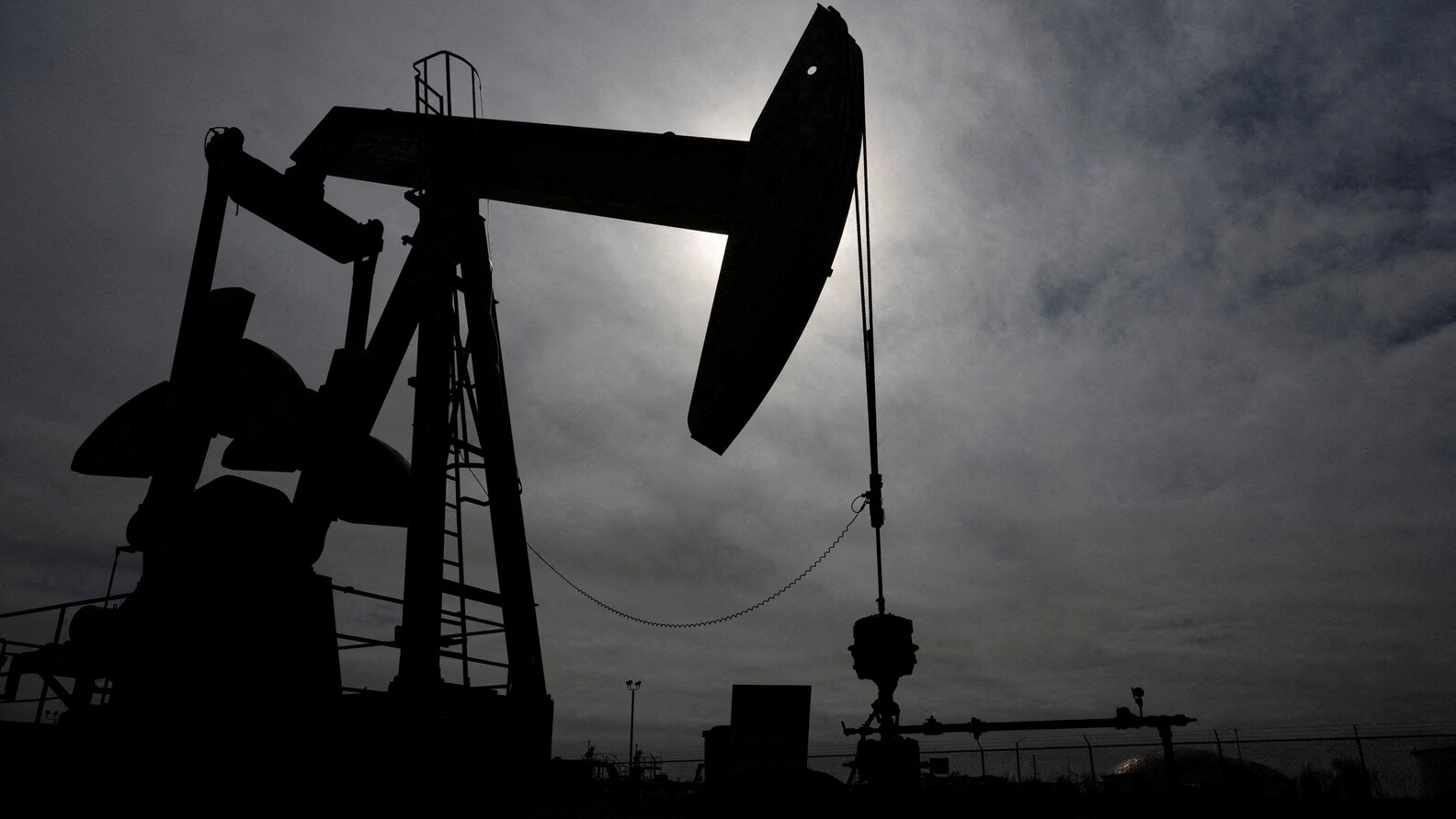
The global energy market is facing a silent but severe threat. Industry leaders are triggering an oil stockpiles alarm as the world continues to consume crude at an unsustainable pace. According to recent market assessments, both commercial and strategic inventories are draining so rapidly that they risk falling below their absolute minimum operating levels.
Why Inventories are Crashing Below Minimum Levels
The roots of the current crisis stem from a prolonged combination of high global demand and systemic disruptions. For several months, geopolitical conflicts, particularly the recent friction surrounding the Strait of Hormuz, have forced nations to draw heavily from their backup supplies.
Data shows that commercial crude oil stocks have dropped significantly. In the United States alone, inventories fell for a seventh consecutive week, plunging by 7.2 million barrels in a single reporting period. This massive drop shattered analysts’ expectations, which predicted a much milder decline. Consequently, this persistent drain has officially raised the global oil stockpiles alarm among top energy producers.
The Long Road to Supply Recovery
Even though recent diplomatic breakthroughs, such as the potential U.S.-Iran peace deal, have triggered a temporary drop in crude prices below $80 a barrel, experts warn against premature optimism. Returning the market to sustainable inventory levels will be an incredibly slow process.
The recovery face multiple challenges:
- Infrastructural Delays: Reopening critical shipping straits requires time to ensure trade routes are safe and completely cleared.
- Insurer Caution: Maritime shippers and insurance companies remain hesitant to resume normal transit volume through recently conflicted zones.
- Replenishment Lag: It will likely take months, or even years, for major economic powers to fully restock their depleted strategic petroleum reserves.
Long-term Market Implications
As long as the oil stockpiles alarm remains active, structural volatility will likely dominate the energy sector. While a temporary peace dividend might lower short-term inflation and allow central banks to pause interest rate hikes, the underlying lack of physical inventory means that any future supply shock could immediately cause prices to spike again. Energy executives emphasize that true market stability cannot return until global inventories are safely rebuilt.
Reference
The Wall Street Journal. (2026, 12 de junio). Oil executives are sounding the alarm over dwindling stockpiles. The Wall Street Journal. https://www.wsj.com/business/energy-oil/oil-executives-are-sounding-the-alarm-over-dwindling-stockpiles-ad0f6928