
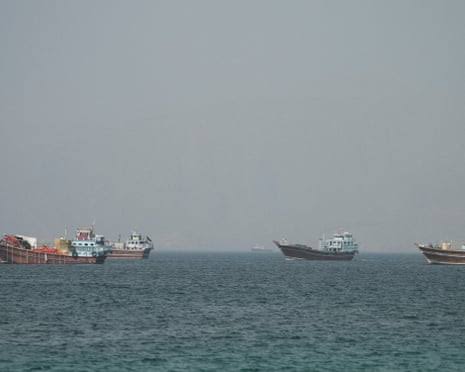
Geopolitical friction in the Middle East has intensified following drone and projectile attacks on three commercial tankers within the Strait of Hormuz. The incidents occurred close to Oman, a territory that had proposed establishing an alternative shipping corridor near its coast—a plan strongly opposed by Tehran. Among the vessels struck was the Qatari liquefied natural gas (LNG) carrier, Al Rekayyat, marking the first time a Qatari ship. Has been targeted since the outbreak of hostilities between the United States and Iran in February 2026.
The crew reported being struck on the port side near the engine room before being forced to abandon the ship. In response, Qatar summoned Iran’s deputy ambassador. Explicitly labeling the attack a serious violation of international law and asserting that Iran will bear full legal responsibility for the aggression. Saudi Arabia similarly condemned the incidents, which also impacted the Saudi-flagged tanker Wedyan, holding Tehran fully accountable for threatening global energy security.
The attacks coincide with a sharp diplomatic dispute regarding the economic and operational control of the strait. Under a previously signed memorandum of understanding. Iran insists it has the exclusive right to manage the re-opening of the waterway and intends to levy compulsory security fees on all transiting ships. Tehran defended the proposed tolls by arguing that maintaining maritime security is highly costly. Comparing the practice to deep-sea pilotage fees charged in Western waterways like the English Channel.
Consequently, Iran rejected proposals from France and the United Kingdom to deploy naval forces to de-mine and protect the alternative southern route near Oman. Iranian officials deflected blame for the strikes onto the United States. Claiming that American attempts to forge alternative shipping lanes violated bilateral agreements and that Western interference is the true source of regional instability.
In conclusion, these tanker strikes signal a dangerous shift in the Strait of Hormuz conflict. Transitioning from localized warfare into a broader regional economic crisis. By targeting vessels from neutral nations and traditional mediating states like Qatar. The escalation demonstrates that maritime transit through this critical choke point is being held hostage by territorial disputes and protection schemes. The crisis indicates that international shipping will face sustained risk as Tehran attempts to unilaterally assert tolling authority over global energy routes. Ultimately, this confrontation reinforces the reality that without a unified international security framework. The ongoing friction between the United States and Iran will continue to disrupt global supply chains and destabilize neighboring Gulf states.
Reference
Wintour, P. (2026, July 7). Qatar: Iran is legally responsible for hits on three tankers in strait of Hormuz. The Guardian; The Guardian. https://www.theguardian.com/world/2026/jul/07/qatar-says-iran-fully-responsible-after-tankers-struck-in-strait-of-hormuz