
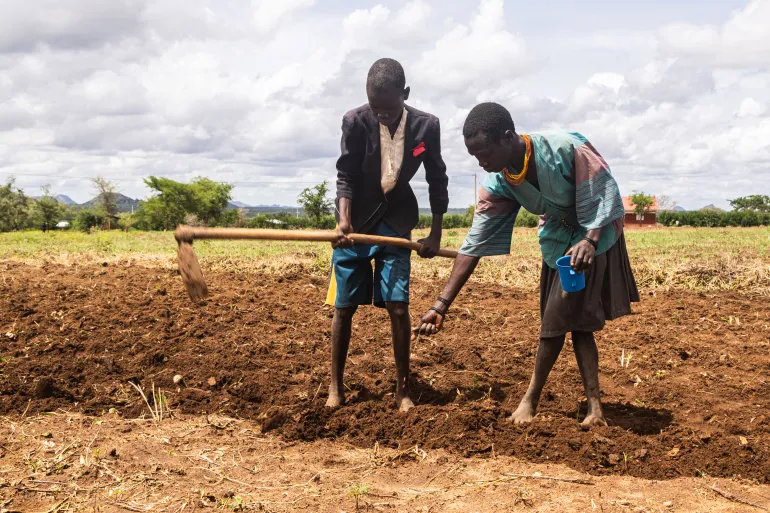
A converging humanitarian emergency across East Africa has pushed over 1.5 million people toward acute hunger, driven by complex Uganda food crisis causes. Reporting from Al Jazeera details how the worst drought in decades destroyed crop yields across the northeastern Karamoja region. Consequently, crop failure combined with drastic cuts to international aid funding has forced vulnerable pastoralist communities and refugee populations into severe malnutrition.
Prolonged Drought and Agricultural Failure
Unpredictable weather patterns and prolonged dry spells have devastated rural farming households reliant on seasonal rainfall. In regions like Karamoja, consecutive failed harvests have depleted local food reserves and reduced livestock holdings.
“Inadequate rainfall has destroyed our crops, leaving families without basic food or income to survive this lean season,” reported local agricultural officers.
Specifically, the loss of agricultural yields has been exacerbated by global economic shocks and rising fuel costs, which elevate food transport prices across regional markets.
Aid Funding Cuts and Vulnerable Refugees
Furthermore, international aid agencies including the World Food Programme (WFP) faced severe funding shortfalls, forcing significant reductions in daily rations. Uganda’s growing refugee caseload—primarily from South Sudan and the Democratic Republic of the Congo—now faces heightened vulnerability without consistent food assistance.
Therefore, mobilizing immediate emergency food relief remains crucial to prevent widespread starvation. Moving forward, sustainable agricultural investments and climate-resilient infrastructure will be vital for long-term food security.
Al Jazeera. (2026, July 29). Why is Uganda experiencing a food crisis?. Al Jazeera Media Network. https://www.aljazeera.com/news/2026/7/29/why-is-uganda-experiencing-a-food-crisis