
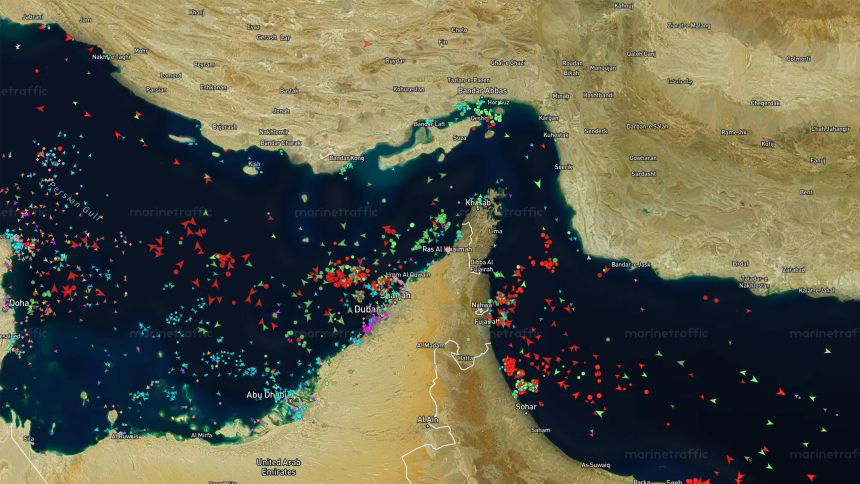
First and foremost, the flow of oil and gas through this region is staggering. According to geopolitical analysts, a significant percentage of the world’s daily petroleum consumption passes through these waters. In fact, any major disruption in the Strait of Hormuz would trigger an immediate and dramatic spike in global energy prices.
Moreover, the geography of the passage is remarkably constrained, which makes it particularly vulnerable to military posturing. As a result, nations across the globe monitor the region with intense vigilance to ensure that trade remains uninterrupted. Consequently, the maritime security of this area remains a top priority for major powers and local states alike.
Geopolitical Tensions and Risks
On the other hand, the waterway is often at the center of complex diplomatic and military standoffs. For example, regional disputes frequently manifest as threats to close or limit access to the passage. Furthermore, the presence of international naval forces highlights the high stakes involved in keeping the Strait of Hormuz open to commercial traffic.
First of all, historical conflicts have proven that even minor escalations can have global consequences. Secondly, the reliance on this single route for major exporters creates a strategic dependency that is difficult to replace.
Looking Toward the Future
Additionally, as global energy needs evolve, the long-term importance of the region persists. Surprisingly, despite discussions about diversifying energy sources, no other route currently offers the same efficiency for massive oil exports.
Conversely, the geopolitical challenges surrounding the Strait of Hormuz are becoming more intricate as new regional alliances form. For instance, diplomatic efforts are constantly underway to de-escalate tensions before they turn into actual blockades. In conclusion, maintaining the free flow of commerce in this vital waterway remains one of the most important objectives for global stability in 2026.
Reference: International Crisis Group. (2026). The Strait of Hormuz: A visual explainer. https://www.crisisgroup.org/visual-explainers/hormuz/