
Fernanda López
-
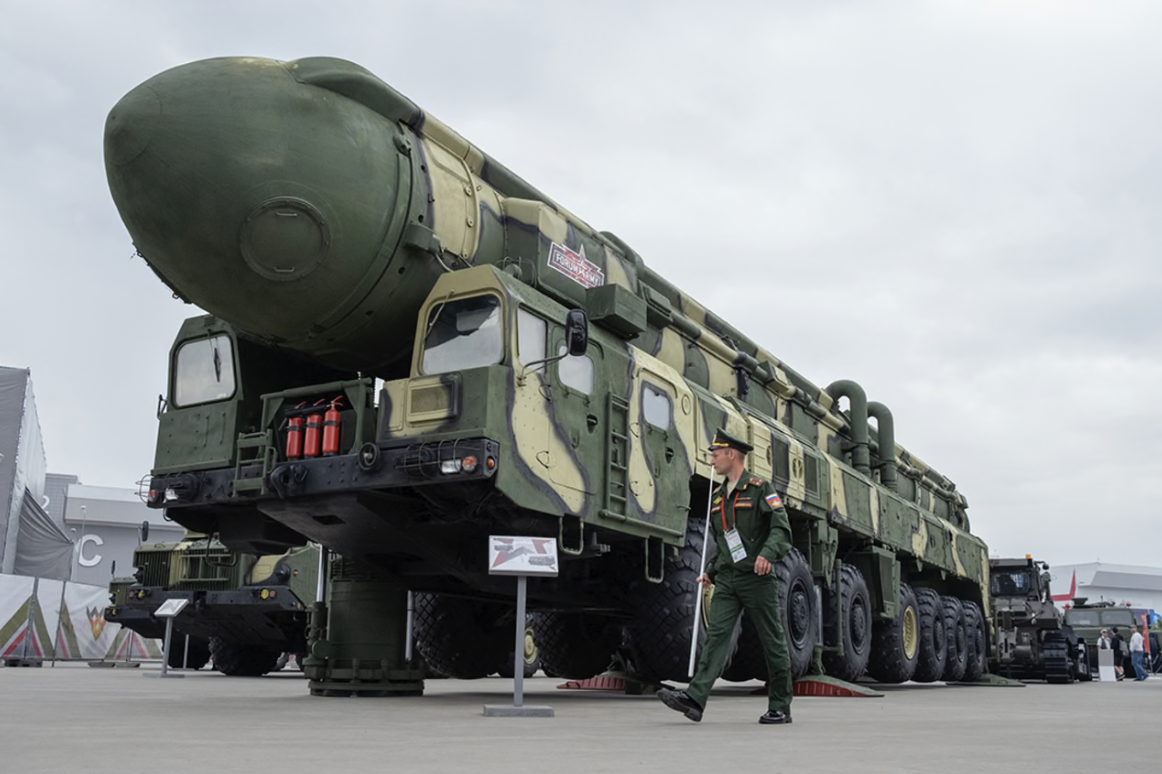
Europe Faces Uncertainty as New START Ends
Context and Treaty’s Role New START, the main nuclear arms control treaty between the United States and Russia, expired on February 5, 2026 after limiting deployed strategic warheads to 1,550…
-

Military AI Adoption Is Outpacing Global Cooperation
En: Think TanksRising Military AI Deployment Global militaries are integrating artificial intelligence at accelerating speed operations and systems. Consequently, these deployments increasingly outpace efforts to establish international cooperation or coordinated norms. Fraying…
-

The AI Bubble Is Getting Closer to Popping
En: Think TanksAI’s Economic Ascension and the Bubble Risk AI currently propels major stock market indexes and is deeply woven into economic momentum, attracting high investor expectations and meteoric valuations. However, the…
-

How 2026 Could Decide the Future of Artificial Intelligence
En: Think TanksA Turning Point for AI in 2026 Artificial intelligence is entering a decisive phase defined by governance, widespread deployment, and geopolitical competition. As a result, policymakers must turn broad principles…
-

Economies Recast Investment Policy for a Changing Goal Landscape
Context of Policy Change Across the Asia-Pacific, investment policies are evolving as global economic conditions become more complex and fragmented. This shift reflects changes in trade, production, digital activity and…
-
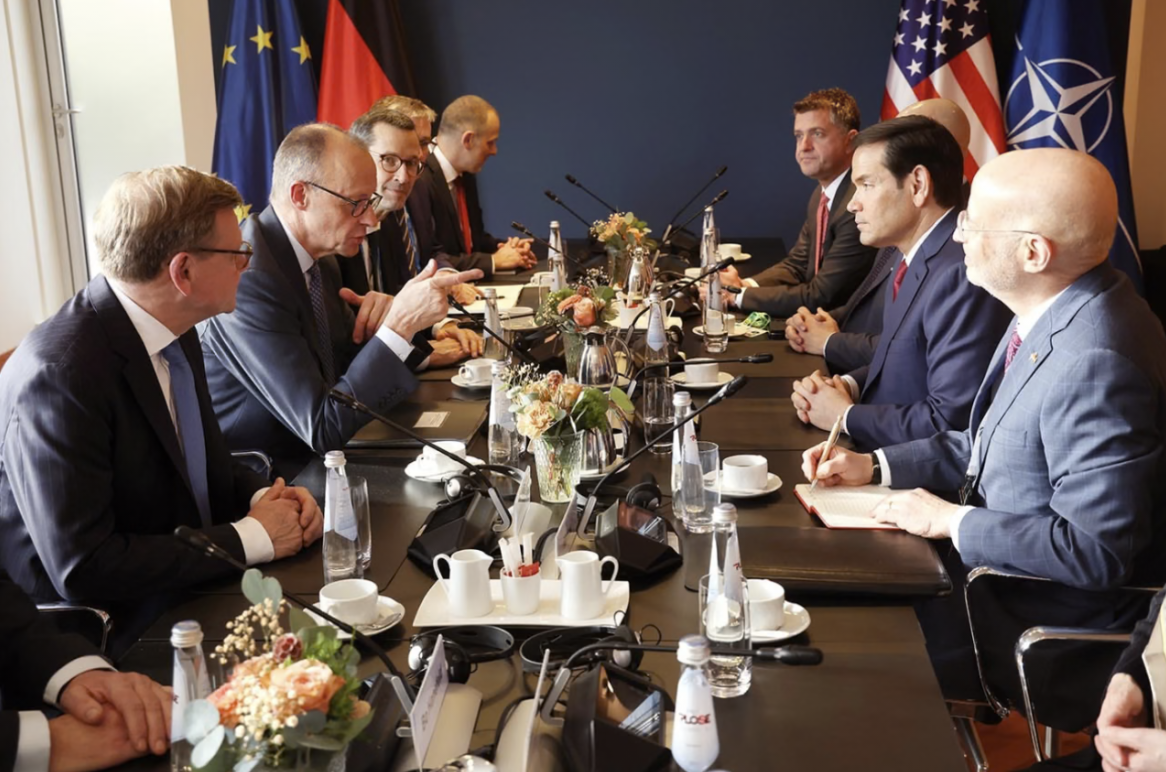
A Fork in the Road at the Munich Security Conference
Setting the Scene The Munich Security Conference in February 2026 stands at a crucial inflection point for Western security cooperation. Gathered in Munich’s Hotel Bayerischer Hof, leaders confront rising geopolitical…
-

Netanyahu to Discuss Gaza and Iran During Washington Visit
Washington Conversations on Gaza and Iran U.S. and Israeli leaders are meeting in Washington to align strategic priorities on Iran’s nuclear program and peace plans for Gaza. Because Iran and…
-
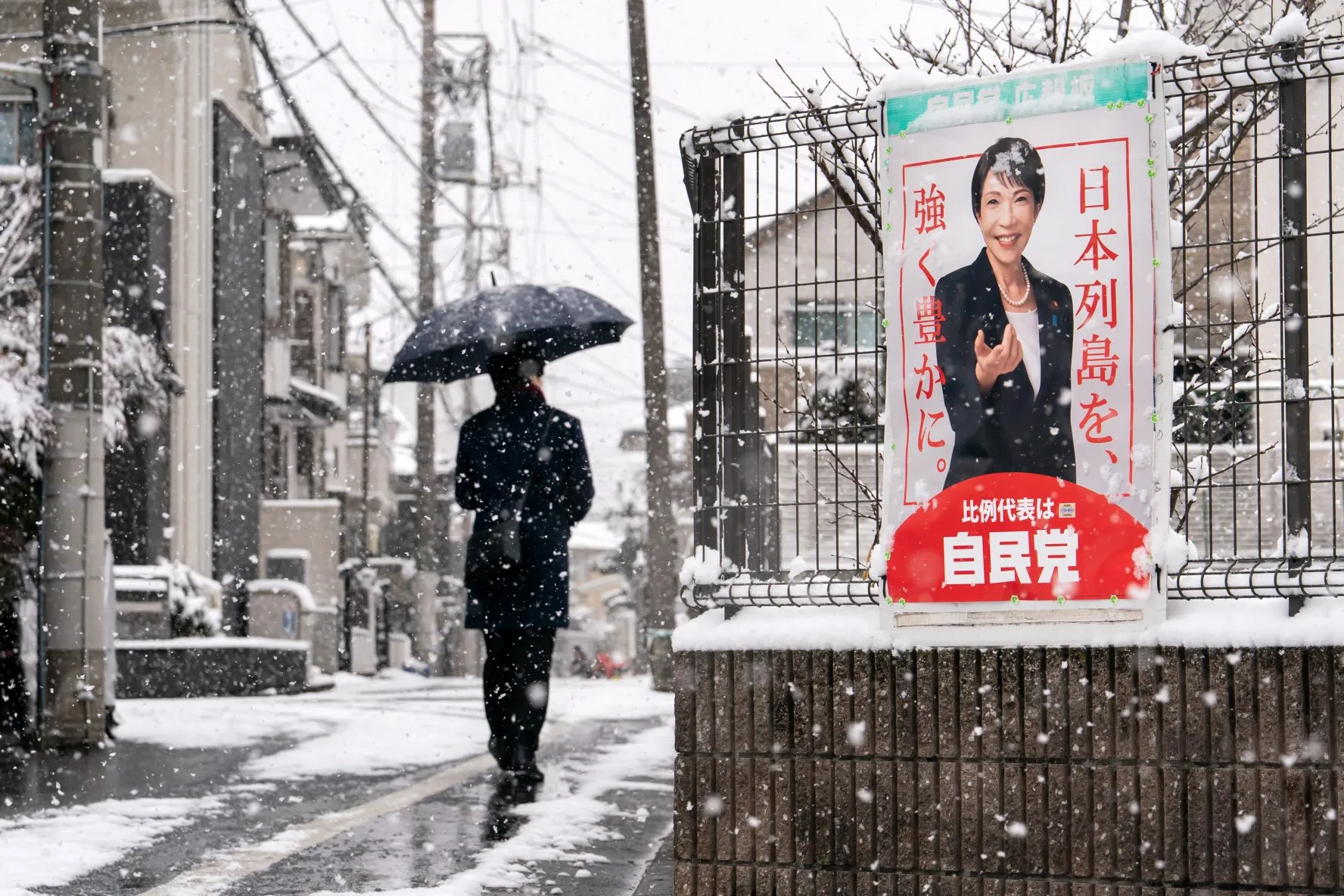
Japan’s thunderbolt election: Takaichi resets politics, economic and diplomacy
Japan’s Election Surprise Japan’s recent Lower House election shocked many observers. Prime Minister Sanae Takaichi called a snap election only three months after taking office. Unexpectedly, her Liberal Democratic Party…
-

Back to the future? British politics in 2026
En: Think TanksLong-Term Discontent and Political Fragmentation British politics has become highly unpredictable after a long build-up of public frustration and distrust toward traditional parties. Decades of dissatisfaction with Labour and Conservatives…
-

Reduced immigration slowed population growth for the nation and most states, new census data shows
Slowdown in U.S. Population Growth National population growth dropped sharply between mid-2024 and mid-2025. Growth fell from 0.96% to 0.52%, one of the lowest rates in U.S. history outside the…
-
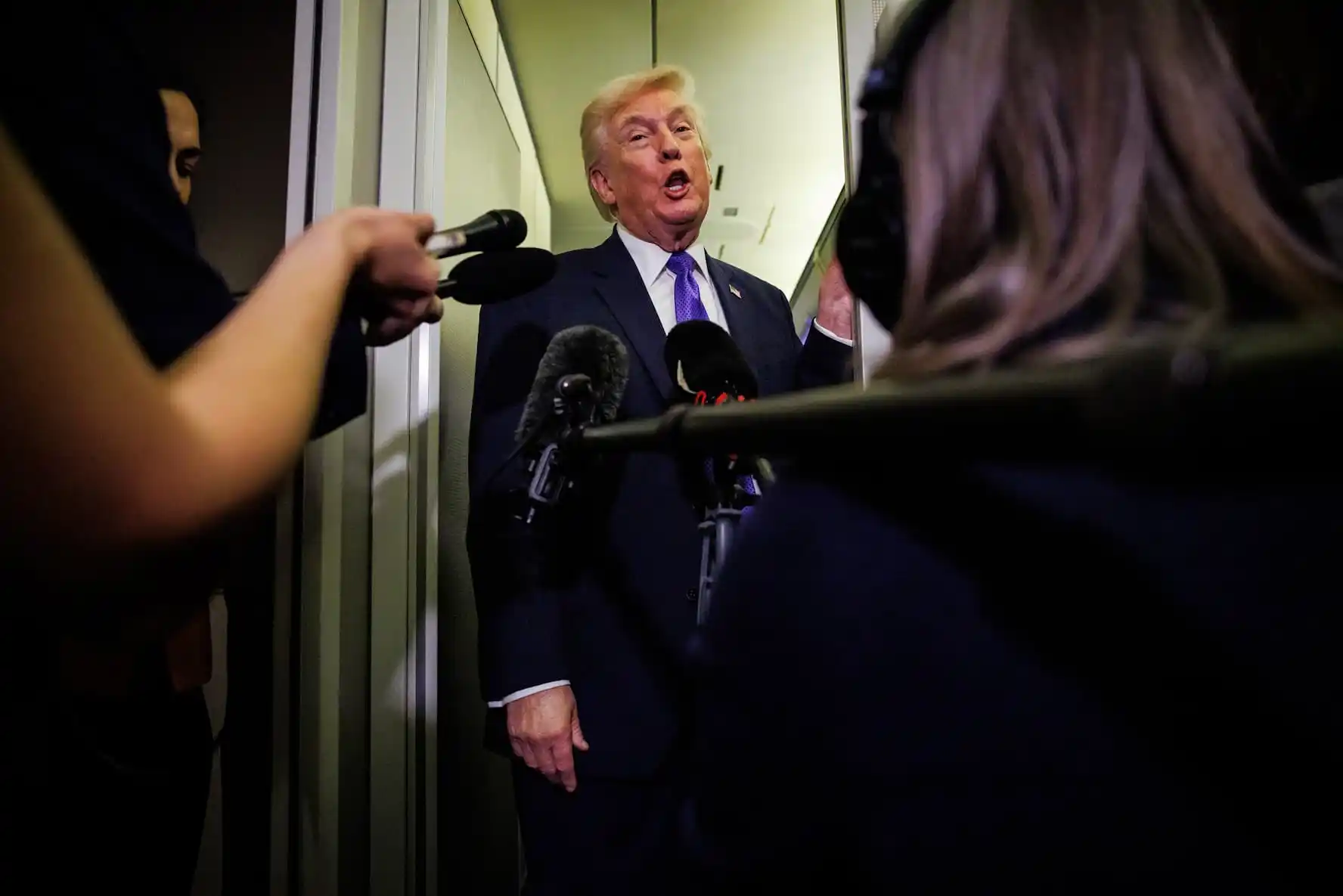
Does President Trump have the authority to “nationalize” voting?
Constitution and Election Authority The U.S. Constitution gives states primary control over federal election procedures, limiting presidential authority in this area. Federal authority functions only through Congress, which may set…
-

A key intelligence law expires in April and the path for authorization is unclear
Purpose and Imminent Expiration Section 702 of the Foreign Intelligence Surveillance Act (FISA) lets the U.S. government conduct warrantless electronic surveillance on non-U.S. persons abroad with compelled assistance from U.S.…
-
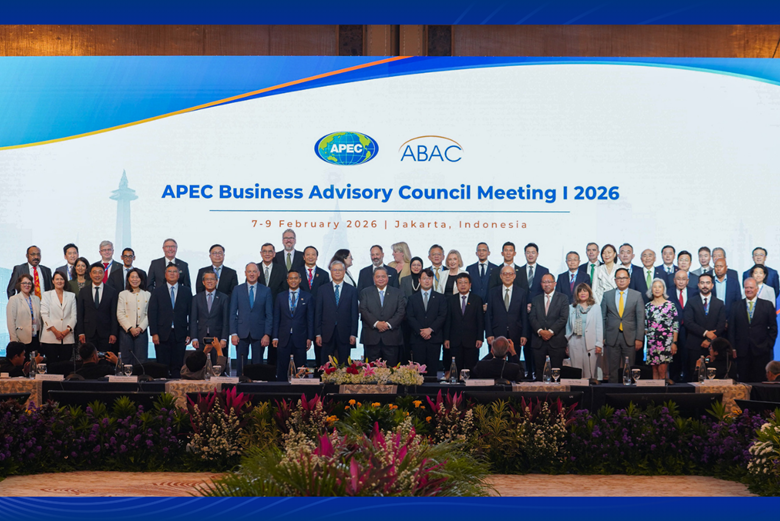
ABAC Launches 2026 Work Program Under Theme “Openness, Connectivity, Synergy”
2026 ABAC Work Program Focus and Priorities The business community in the Asia-Pacific has started its 2026 work program under the integrated theme “Openness, Connectivity, Synergy.” This theme underscores a…
-

AI risks from non-state actors
Overview of AI Misuse Risks Advanced AI tools can empower individuals of groups with harmful capabilities once limited to powerful states or specialists. Frontier models now offer expert-level reasoning and…
-
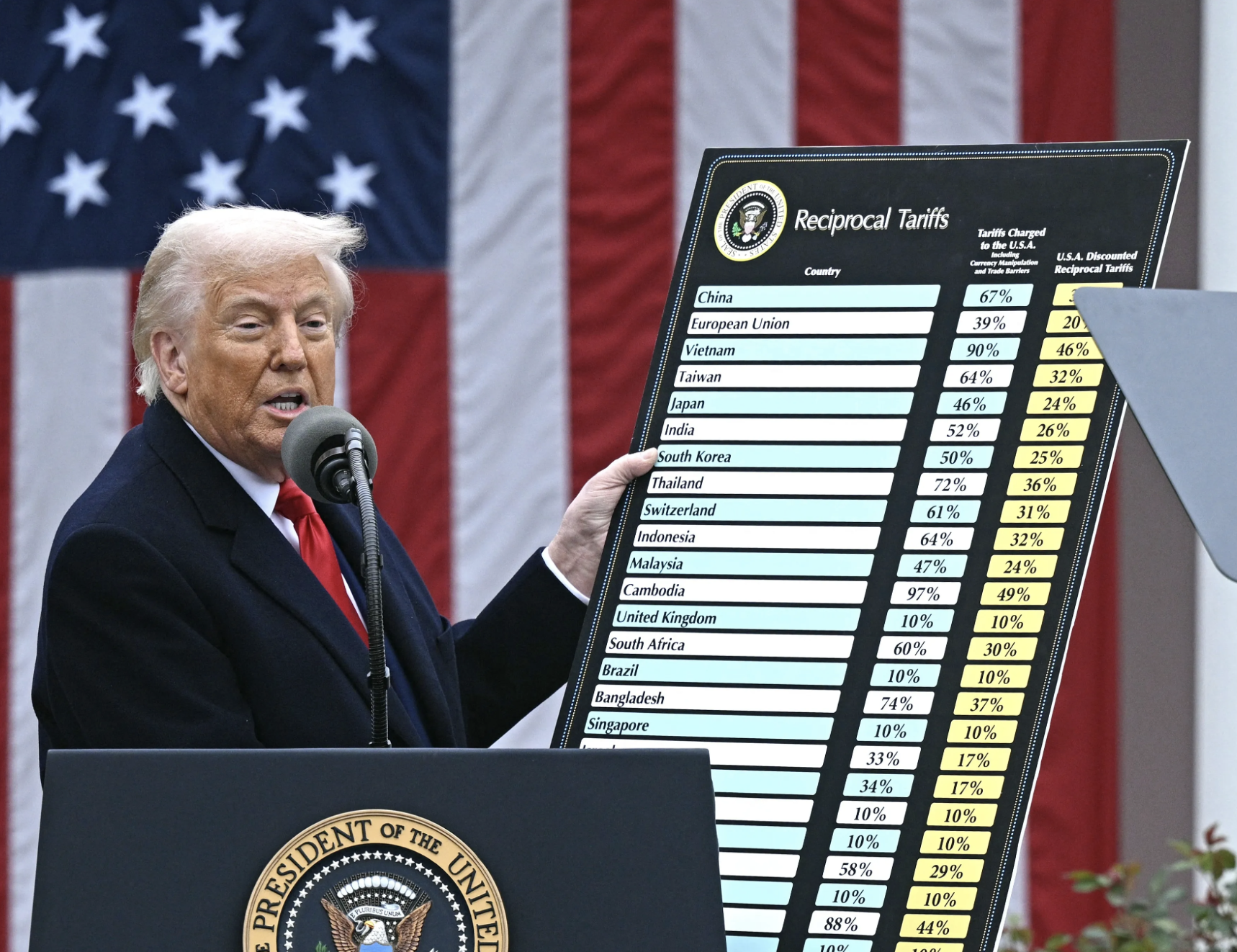
Did “America First” tariffs work?
Context of the America First Trade Policy Since early 2025, U.S. trade policy shifted sharply from rules-based liberalism to discretionary tariffs and trade actions. This new approach departs from post-World…
-
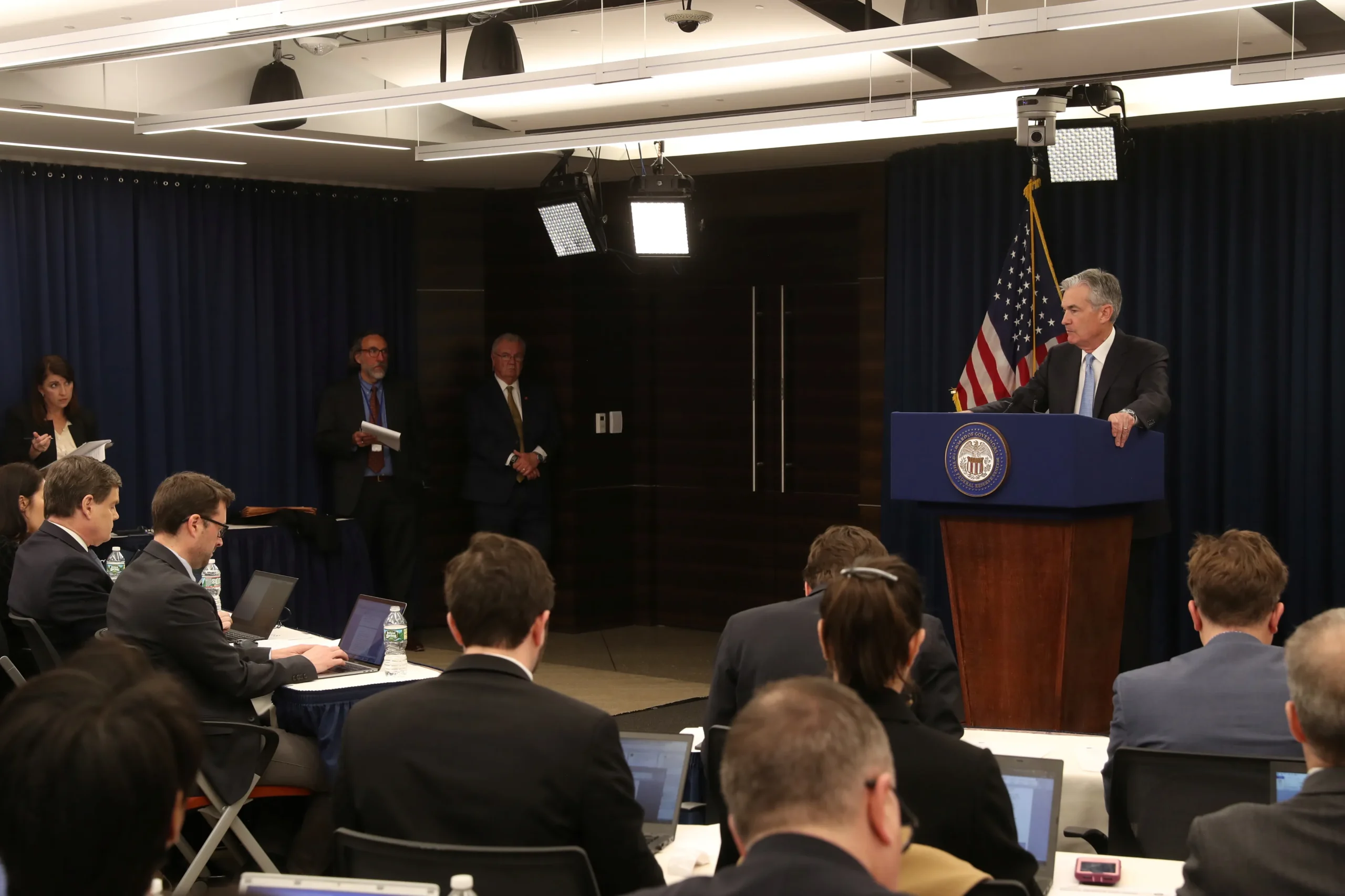
Who has to leave the Federal Reserve next?
Overview of Federal Reserve Turnover Leadership at the Federal Reserve is changing substantially. Both the Board of Governors in Washington and regional Federal Reserve banks see turnover recently. This affects…
-

Why Africa should sequence, not rush into AI?
Framing the AI Challenge in Africa Africa’s digital landscape remains uneven, with many systems still manual or paper-based, highlighting deep technological gaps. Meanwhile, global discourse about generative AI’s transformative power…
-

The HAIP Reporting Framework: Its value in global AI governance and recommendations for the future
Overview: A New Transparency Mechanism The Hiroshima AI Process (HAIP) Reporting Framework supports global AI governance by encouraging disclosure of risk mitigation practices in advanced AI development. It was launched…
-

Breaking Free from Carbon with a Clean Energy Shift in the Asia-Pacific
Clean Energy Momentum and Carbon Challenges Energy demand across the Asia-Pacific continues climbing, intensifying the climate crisis market by rising temperatures and extreme weather. APEC members are transitioning toward carbon-free…
-
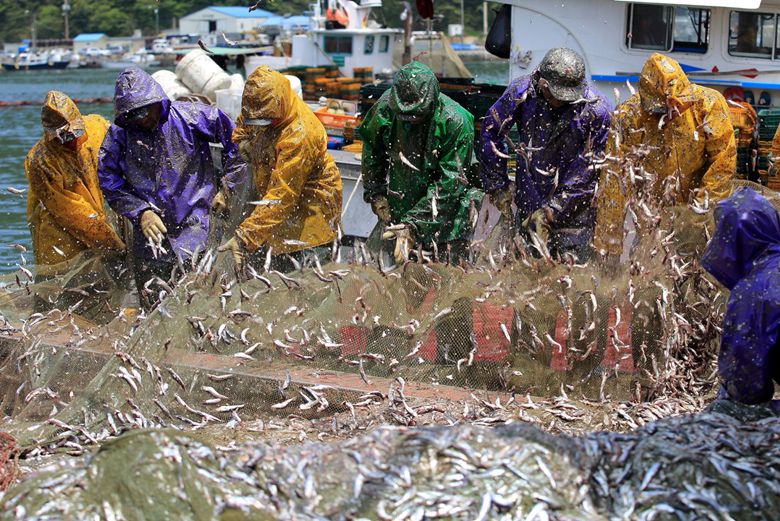
From Gyeongju to Busan: APEC Takes Key Steps Toward Sustainable and Resilient Marine Sector
Advancing Ocean Sustainability and Regional Cooperation APEC members gathered in Gyeongju to discuss joint action on rising sea levels, pollution, and illegal fishing across borders. This meeting prepared the groundwork…
-
Turning the data center boom into long-term, local prosperity
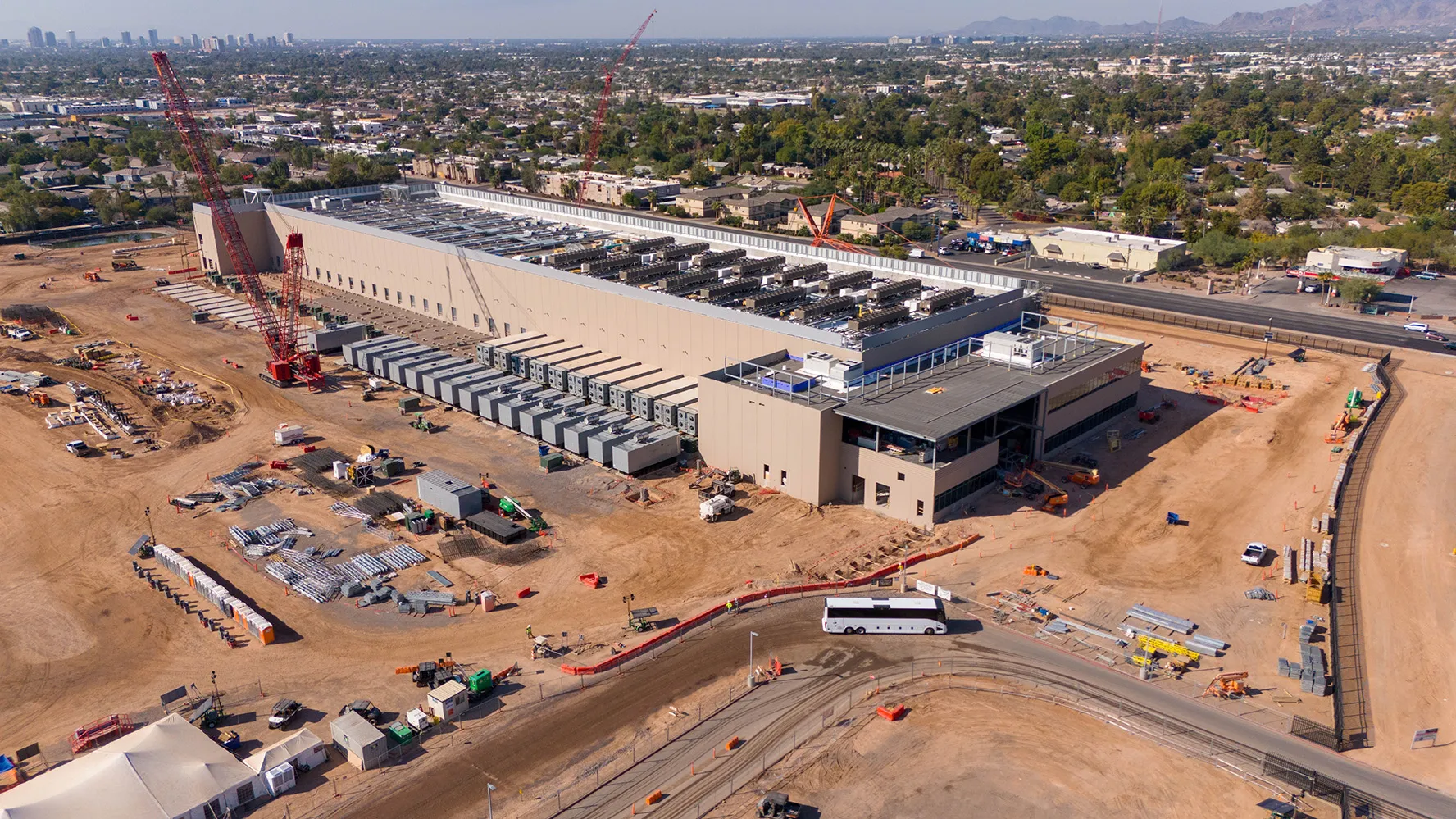
En: APEC/PECCThe Acceleration of the Data Center Economy The rapid expansion of artificial intelligence has intensified demand for large-scale data centers across the United States. Consequently, regions with land, power access,…
-

Gambling to develop: A small, landlocked economy takes the plunge
Ambitious Growth Strategy Through Energy and Digital Assets Bhutan is pursuing an unusually bold development strategy that blends hydropower expansions, high-value tourism, and cryptocurrency innovation for faster growth and new…
-

Powering Africa’s industries: Should the region leapfrog the use of fossil fuels?
Rising Industry Needs and Energy Realities Africa’s industrialization could generate many jobs and reduce poverty while facing steep energy shortfalls for growth. Moreover, almost 600 million people in sub-Saharan Africa…
-

Redefining “lifesaving”: Prioritizing mental health, child protection, and education in Gaza
En: APEC/PECCRethinking What “Lifesaving” Means in Gaza Humanitarian aid typically prioritizes foods, water, shelter, and injury care before other services. However, children in protracted crises like Gaza need more than biological…
-
Food Security Takes a Practical Turn
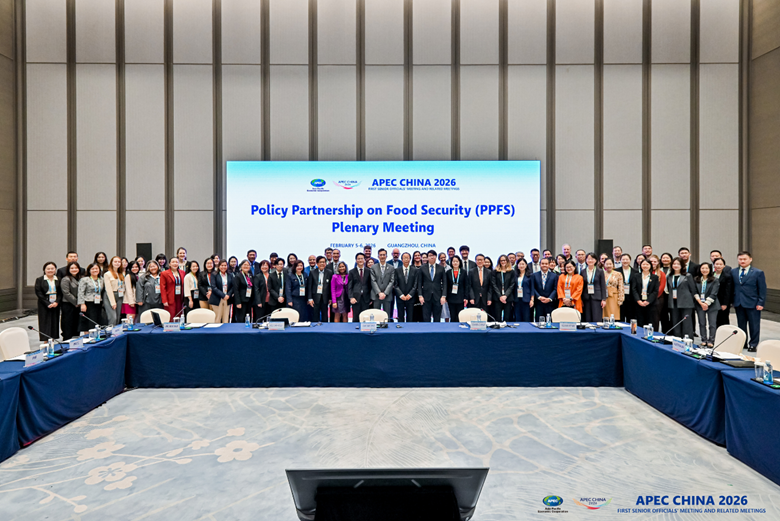
Practical Shifts in Food Security Action Food security efforts across the Asia-Pacific are making a visible shift toward implementation and measurable outcomes as economies work to reduce food loss and…
-

Administrator Liu: Innovation-Led Cooperation Crucial to Reinforce Food Security
Strengthening Food System Resilience through Cooperation Building a resilient Asia-Pacific food system requires coordinated efforts across the entire grain value chain, from production through processing to marketing. A systematic approach…
-

Why Spheres of influence are useless
En: APEC/PECCWhy Spheres of Influence Are Impractical Today First, major powers are seeking separate regions of dominance amid renewed global competition, yet neither the U.S. nor China can cut themselves off…
-

How is China Positioning itself as Iran’s Regime Teeters?
En: APEC/PECCChina’s Strategic Position in Iran Amid Unrest China maintains a significant but far from indispensable relationship with Iran, as tensions escalate and the Iranian regime faces growing internal pressure. Because…
-

Economies Press for Open Innovation as Science, Technology and AI Reshape Growth
En: APEC/PECCOpen Innovation for Shared Growth Economies across the Asia-Pacific gathered in Guangzhou to emphasize how science, technology and artificial intelligence are reshaping economic growth. They stressed that rapid advances in…
-

Chinese Taipei Contributes USD 650,000 to Strengthen Economic and Technical Cooperation
En: APEC/PECCStrengthening Regional Capacity and Security Chinese Taipei pledged USD 650,000 in voluntary funds for joint initiatives to improve human security, women’s economic empowerment, and evidence-based policymaking in the Asia-Pacific. This…