
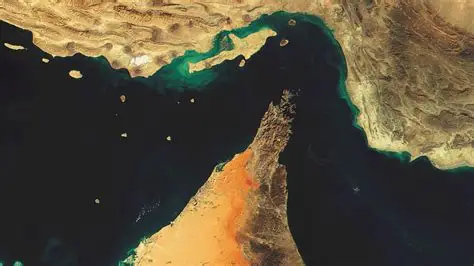
Maritime security in the Middle East has sharply deteriorated. Specifically, recent Strait of Hormuz attacks have resulted in multiple cargo vessels being struck and sunk, drastically slowing commercial traffic through the vital trade waterway.
According to reports, an unspecified container ship sank after hitting a naval mine, while other Singapore-registered vessels were hit by projectiles. Iran’s Revolutionary Guard Corps claims these ships were traveling along unauthorized routes. Consequently, maritime authorities have classified the threat level as severe. At the same time, the wider geopolitical conflict continues to expand. For instance, Yemen’s Houthis launched ballistic missiles targeting Saudi infrastructure, including Riyadh’s international airport and oil facilities. In response, regional leaders are scrambling to mend diplomatic ties and secure vital energy corridors.
Meanwhile, these mounting Strait of Hormuz attacks threaten global energy supplies and economic recovery. Energy experts note that any sustained disruption in oil shipments could trigger severe market shocks worldwide. Furthermore, international leaders face growing pressure to protect commercial shipping lanes from further escalation.
Ultimately, the ongoing military friction creates high stakes for global stability. Therefore, international monitors remain deeply concerned that unchecked maritime warfare will permanently cripple regional trade.