
Think Tanks
-
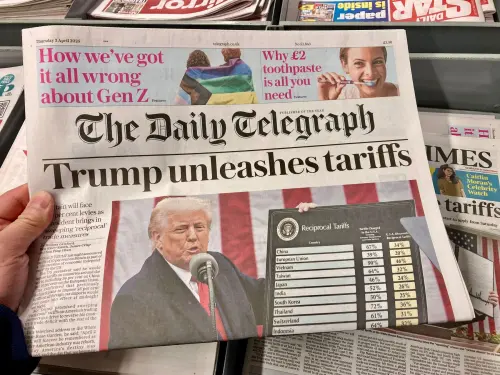
Tracking trade amid uncertain and changing tariff policies
Changing Trade Policy Landscape After decades of relative stability, U.S. trade policy shifted significantly beginning in 2018, marked by rising tariffs and increasing uncertainty for global trade flows. Consequently, tariffs…
-

The Economic Cost of Underdeveloped Women’s Leadership Infrastructure
Leadership as an Economic Infrastructure Asset In March 2026, the World Economic Forum highlighted a critical failure in global economic planning: the lack of a structured “leadership infrastructure” for women.…
-
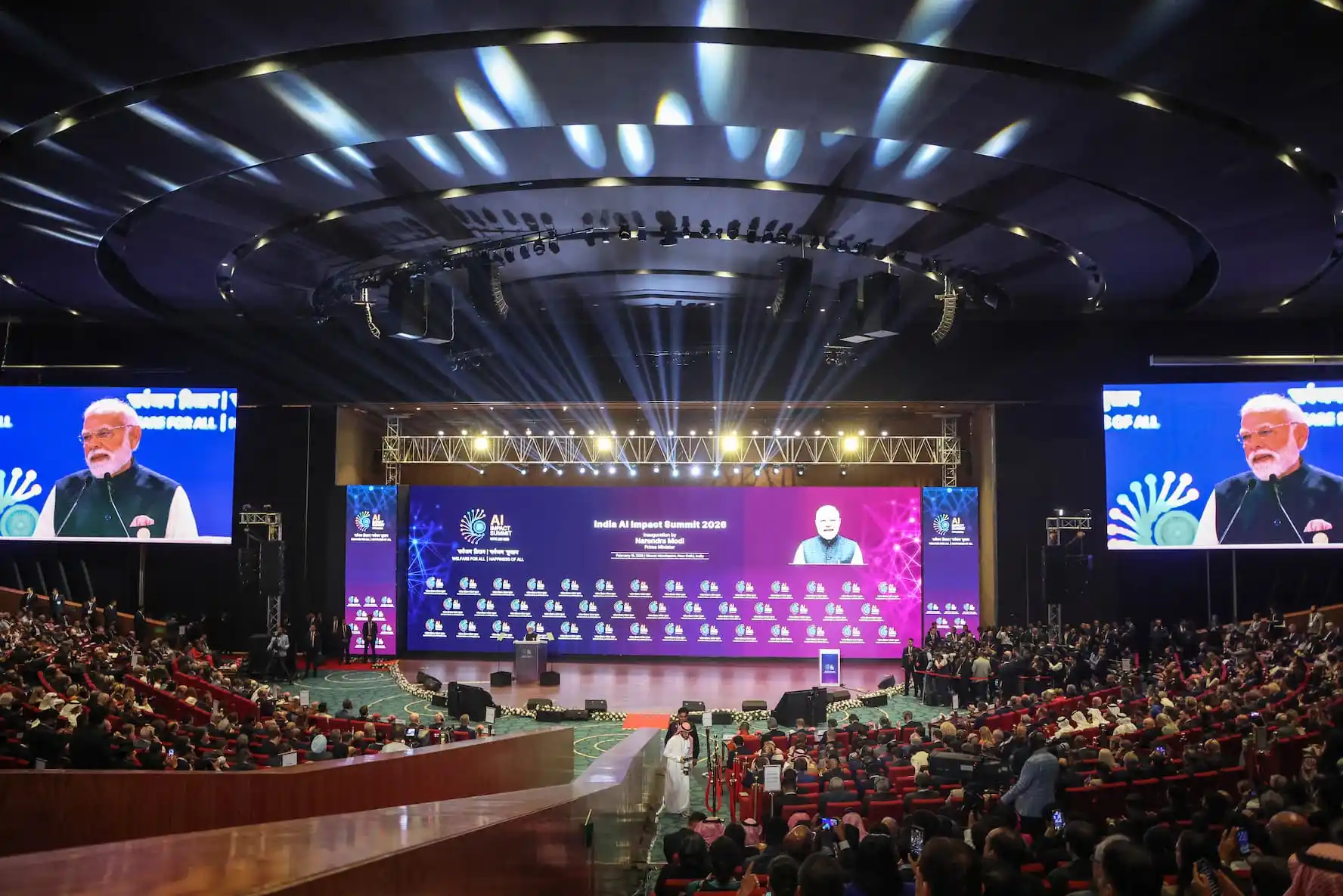
Sovereignty, safety, and scale: Takeaways from the India AI Impact Summit
Global Shift in the AI Agenda First, global discussions on artificial intelligence are moving beyond narrow safety concerns toward broader questions of deployment, economic development, and societal impact. Consequently, the…
-
The AI durability of built environment careers
En: Think TanksContext of the Built Environment First, infrastructure systems such as transportation, energy, water, broadband, and buildings require millions of workers to construct, operate, and maintain essential facilities. Meanwhile, aging infrastructure,…
-

What happens when AI companies compete with customers?
Expansion of AI Companies into Applications First, major AI model providers increasingly expand into application markets to recover massive infrastructure costs required to develop and operate large AI systems. Consequently,…
-
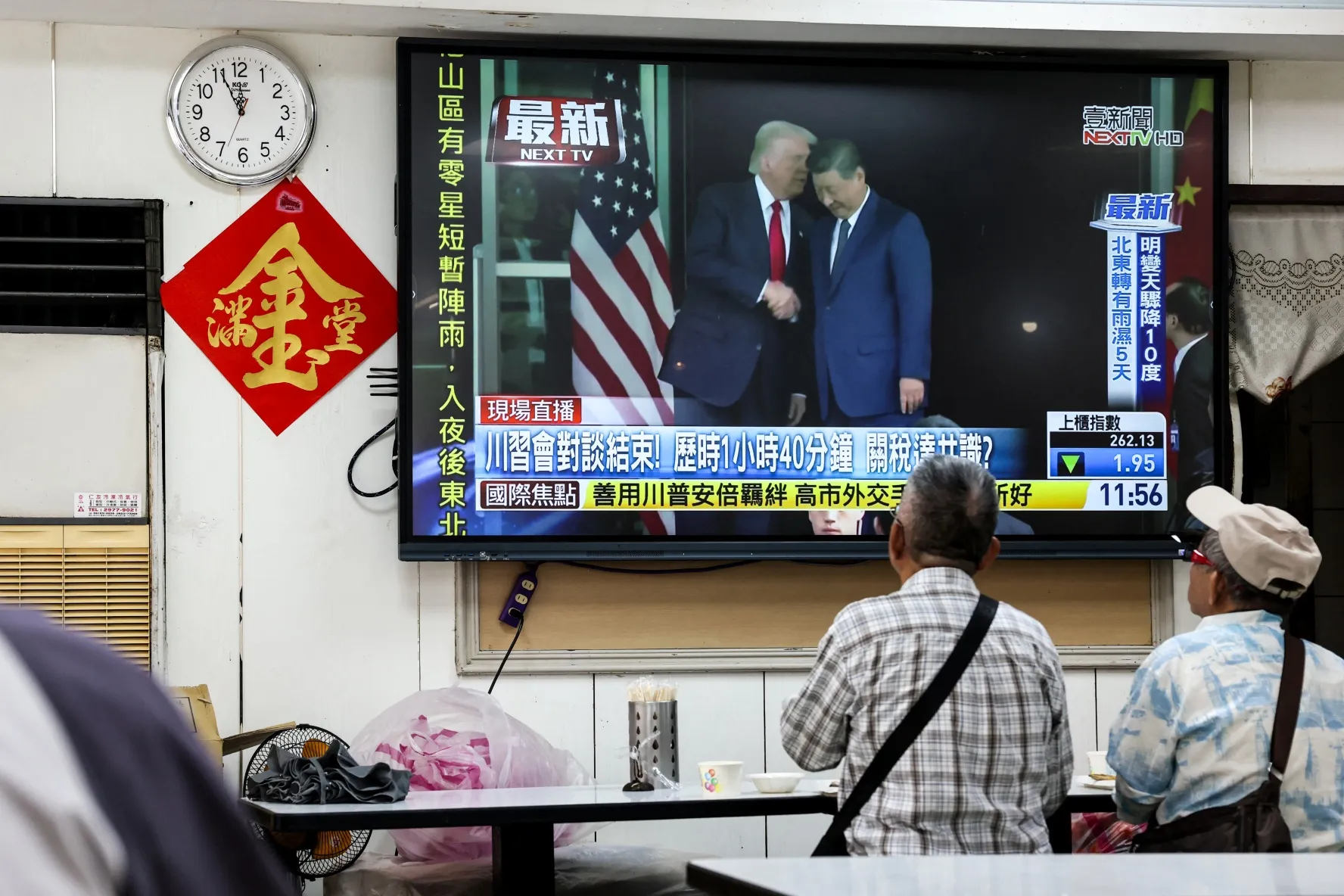
Indo – Pacific perspectives on the prospect of a US – China G2
Regional debate over a possible G2 Perspectives across the Indo-Pacific evaluate whether a closer relationship between the United States and China could resemble a “G2,” meaning a system dominated by…
-

The US Postal Service’s fiscal crisis
Origins of the Fiscal Crisis Initially, the modern United States Postal Service was designed to connect the nation through personal, educational, and business correspondence. However, technological change has weakened that…
-
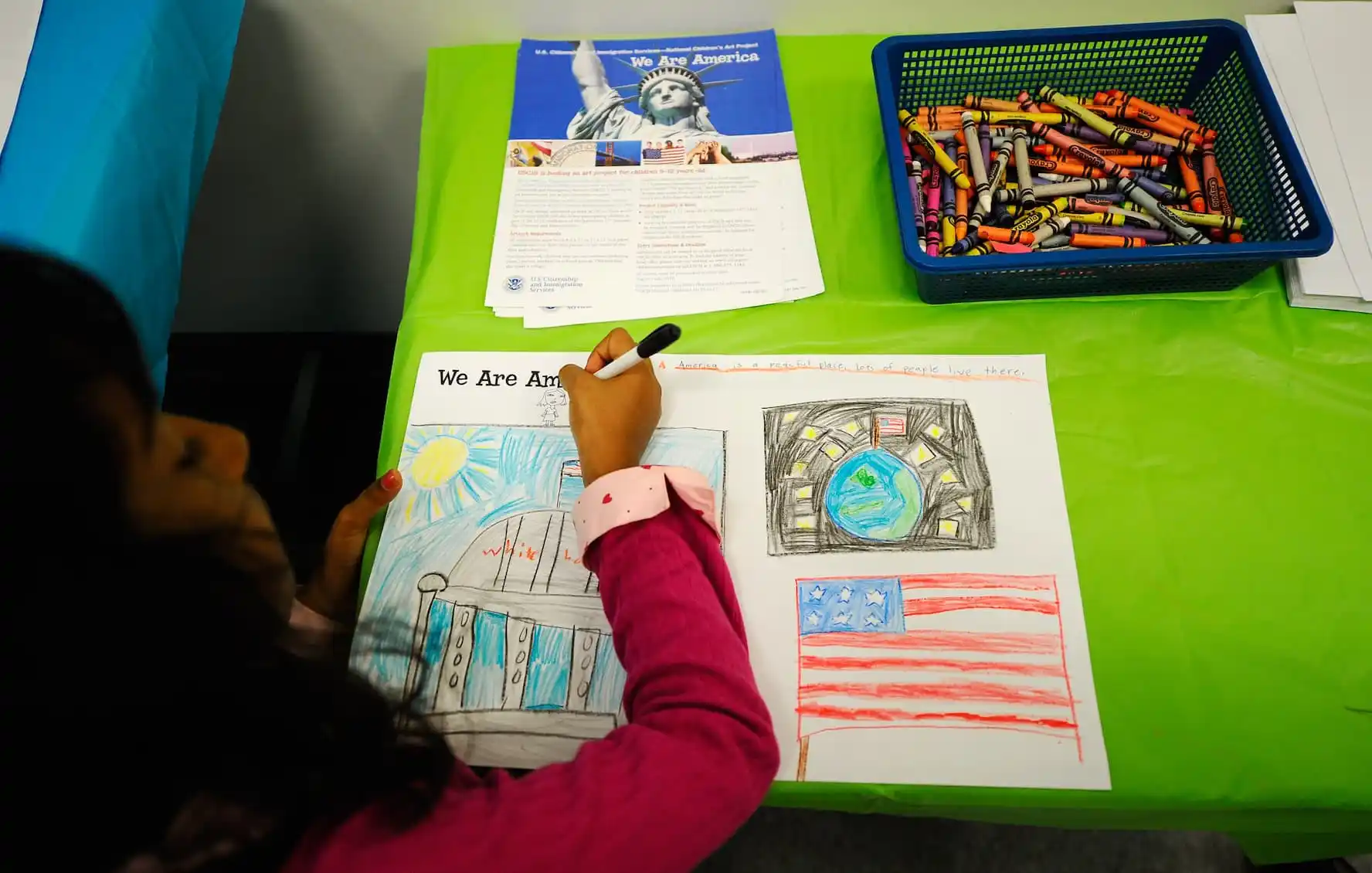
Restoring the voices that transformed American history and democracy
Historical Truth and Democracy Understanding First, understanding American identity requires acknowledging both freedom and oppression. Learning about slavery, disenfranchisement, and Indigenous displacement reveals the foundations shaping democratic institutions and national…
-

Leveraging the USMCA to strengthen pharmaceutical manufacturing and supply chains in North America
En: Think TanksStrategic Importance of Pharmaceuticals Pharmaceuticals occupy a strategic position linking trade, innovation, and public health security in North America. Moreover, the industry combines high-value exports with essential medical goods required…
-
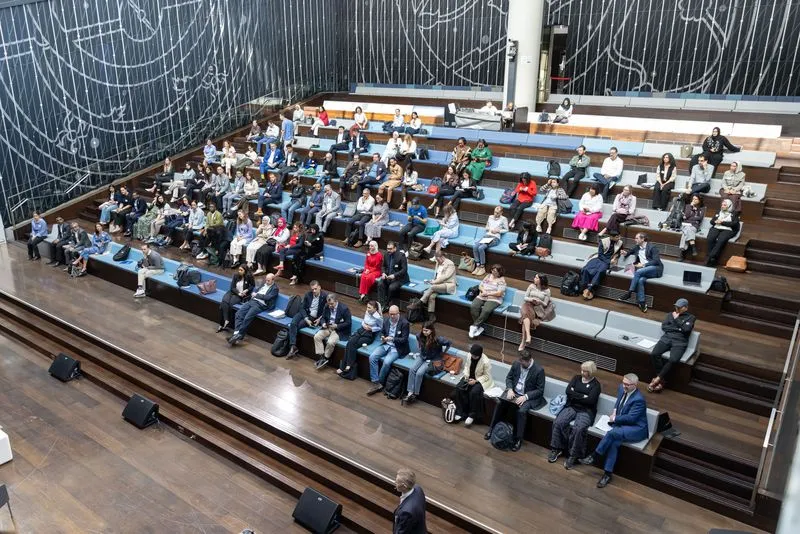
Collaborative insights from Education House Doha: Education for the era of human flourishing and AI
En: Think TanksEducation in the Age of AI First, global education systems are rapidly adapting to artificial intelligence, raising a central question: how policies can strengthen locally relevant teaching while advancing equity…
-
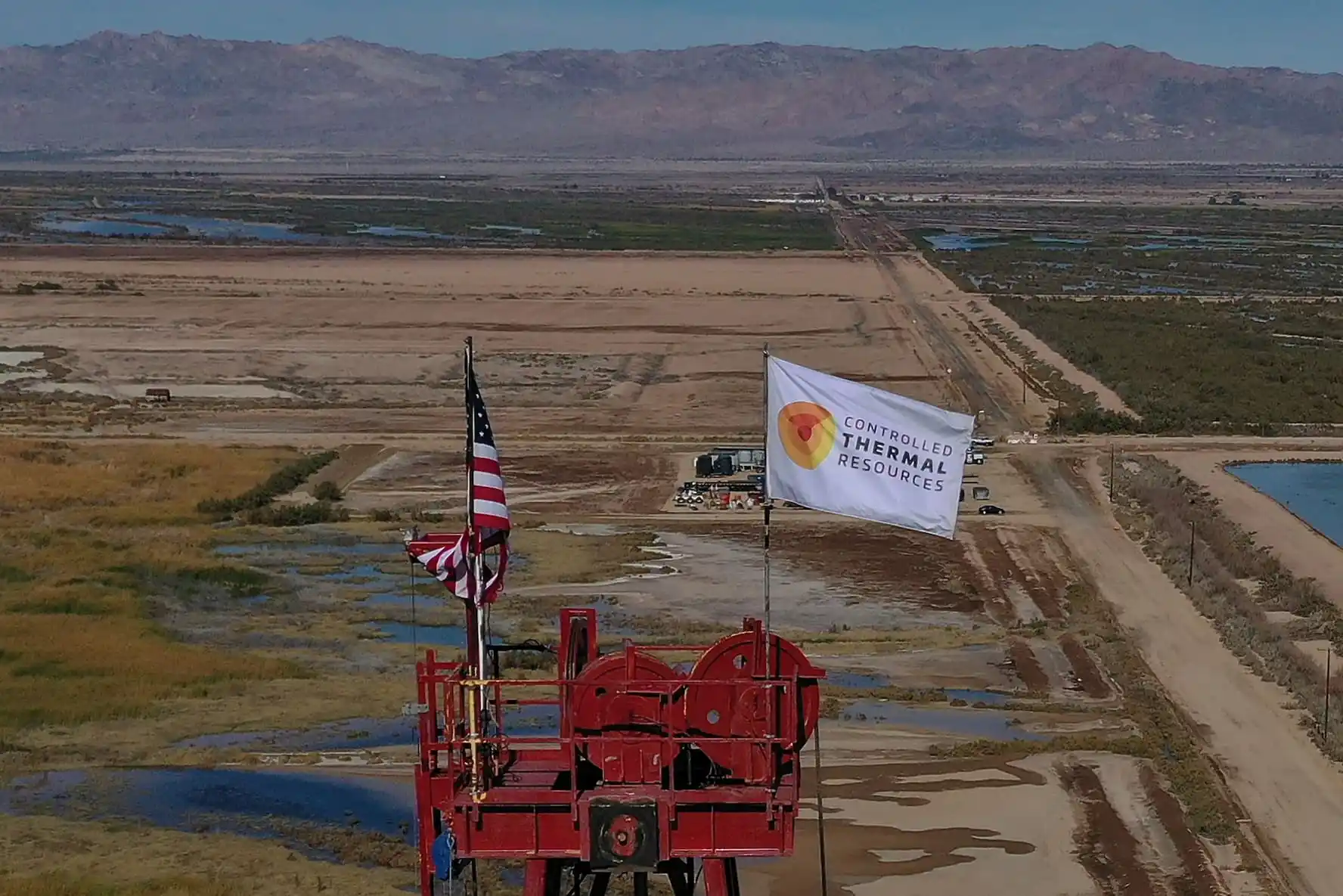
The arrival of geothermal in American energy policy
Emergence of Geothermal in U.S. Energy Policy Initially, geothermal energy remained marginal within U.S. energy debates; however, during the 2020s it increasingly gained attention in federal and state policy discussions. …
-
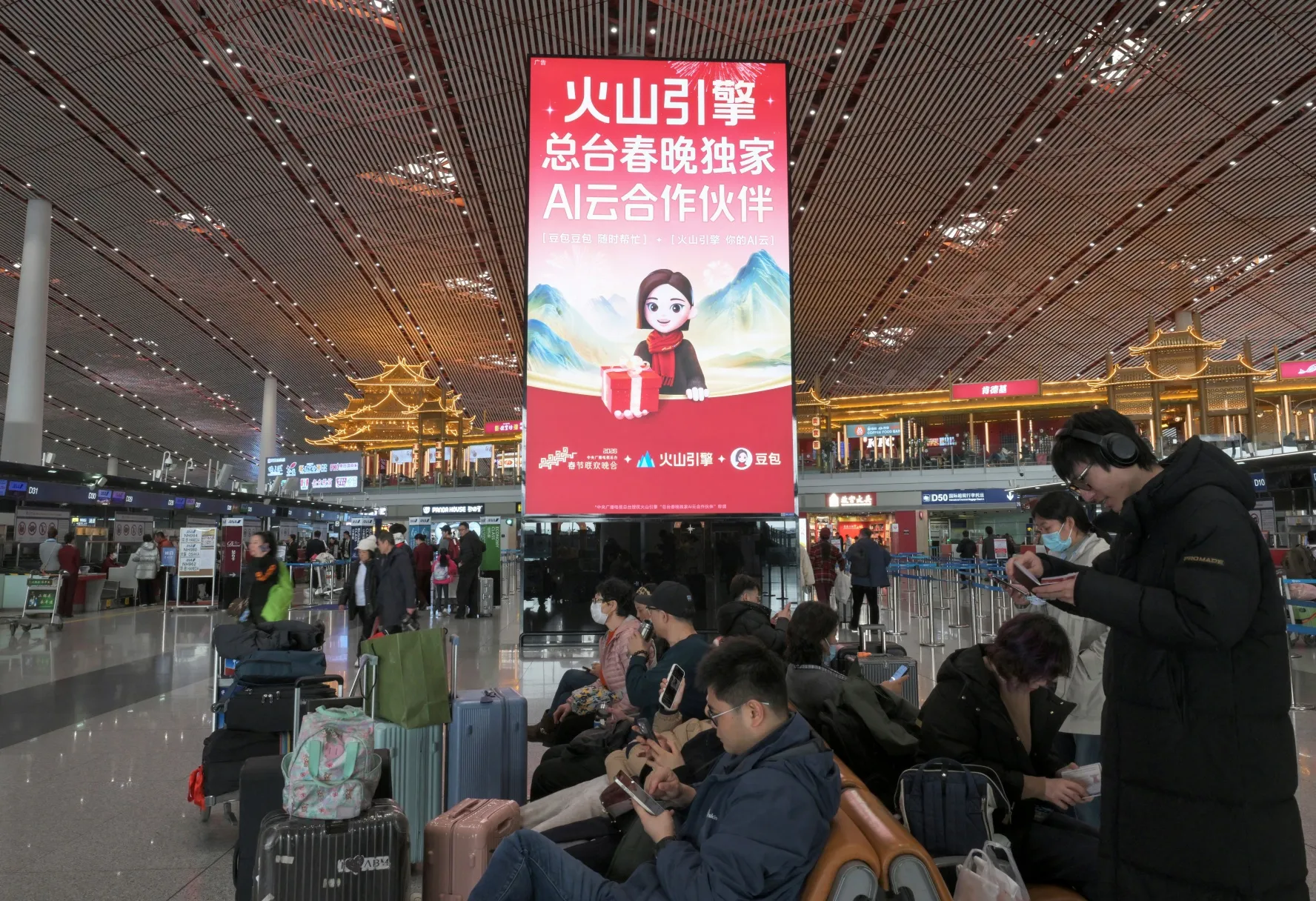
China is running multiple AI races
Competing Visions of the AI Race First, debate about artificial intelligence often centers on the race toward artificial general intelligence. However, China is pursuing a broader strategy with several simultaneous…
-
The Second Trump Administration Turns a Blind Eye to Afghanistan
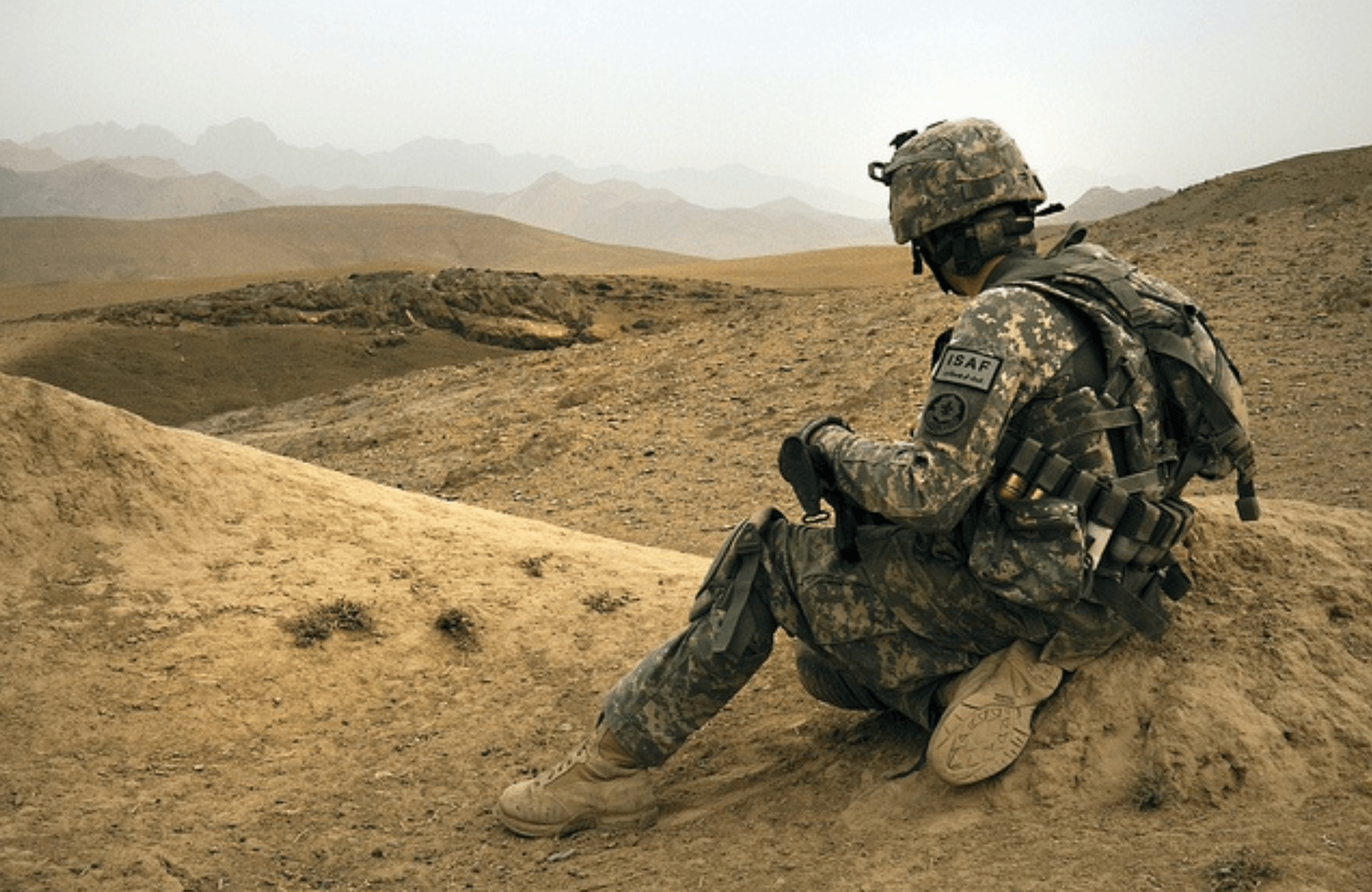
Historical Context of U.S. Involvement First, Afghanistan dominated U.S. foreign policy debates during the earlier presidency of Donald Trump. The administration negotiated a 2020 agreement with the Taliban to withdraw…
-
What Does the War Mean for Latin America?
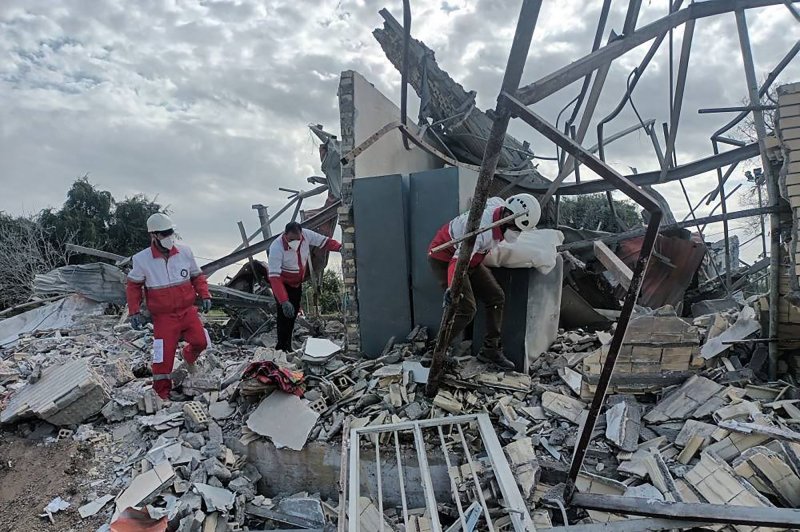
Regional Reactions and Diplomatic Positioning First, the conflict in Iran has triggered cautious reactions across Latin America. Governments generally avoid direct alignment while emphasizing diplomacy and non-intervention as guiding principles…
-
Indo-Pacific perspectives on the prospect of a US-China G2
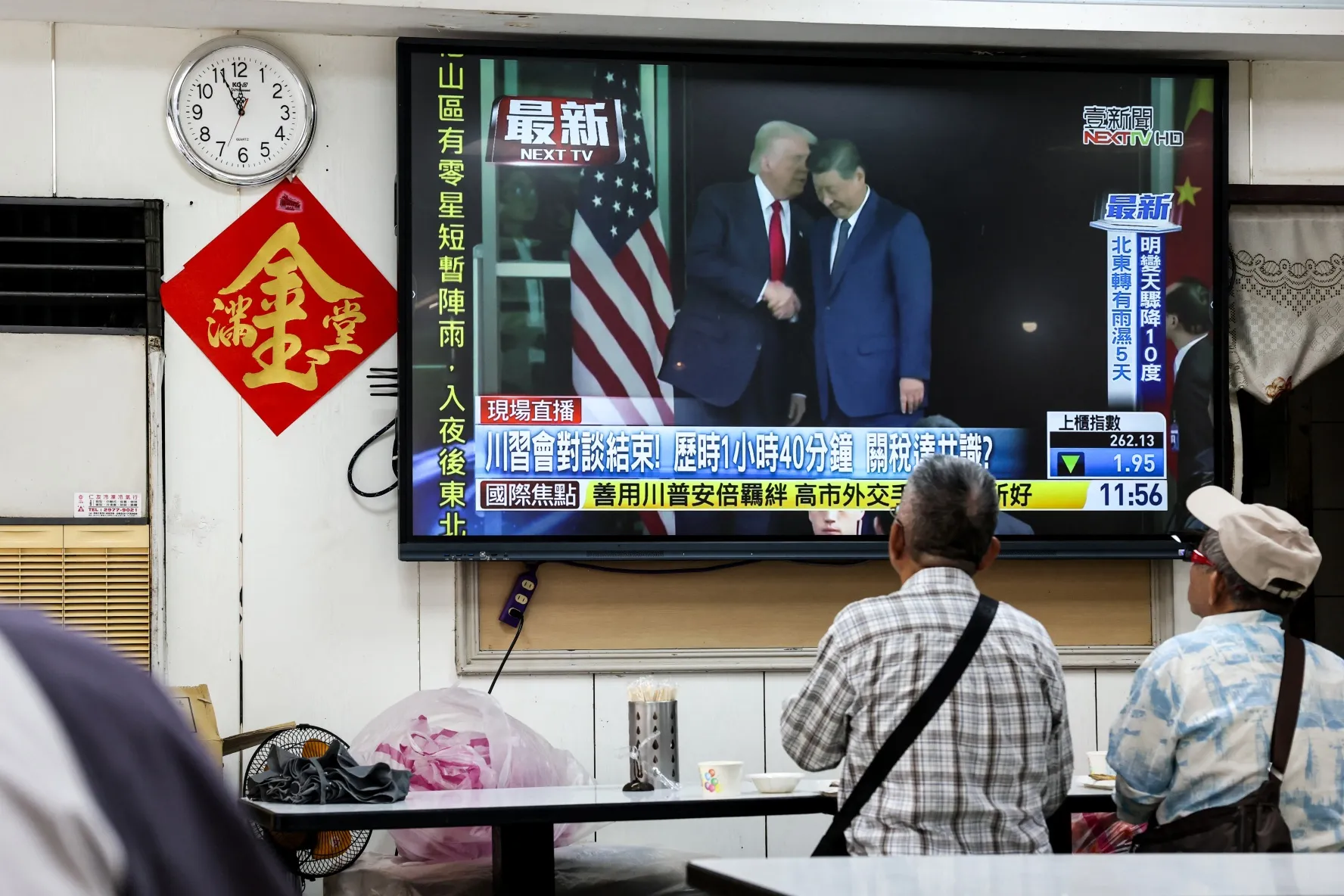
The Indo-Pacific region is currently facing a period of deep uncertainty. A recent analysis from the Brookings Institution, featuring experts from Asia and Oceania, explores the possibility of a “G2”…
-

Iran, the Strait of Hormuz, and an Unprecedented Energy Crunch
Escalating Conflict in the Persian Gulf First, a U.S. -Israel attack in Iran triggered regional escalation, promoting Iranian retaliation against U.S. bases and threats toward ships traveling through the Strait…
-
A Guide to Trump’s Second-Term Military Strikes and Actions
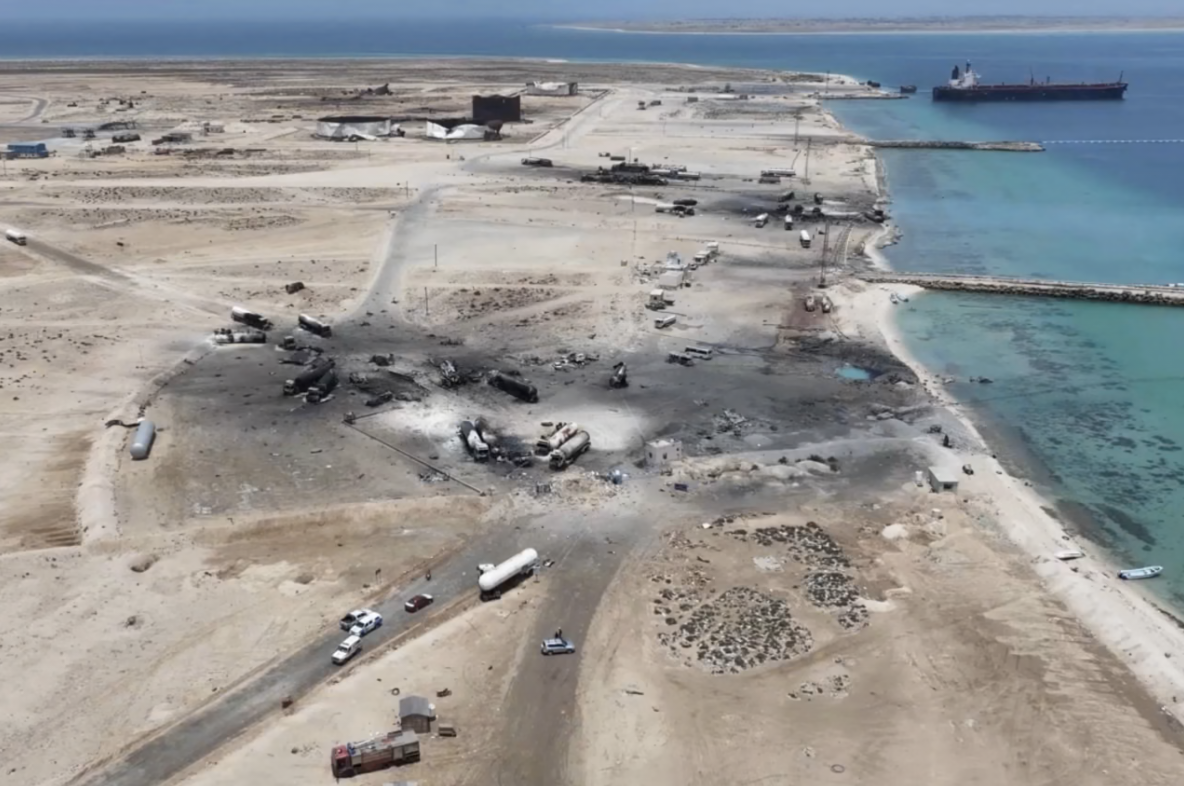
Expanding Use of Military Force Since returning to power in 2025, the U.S. president Donald Trump has increasingly relied on military strikes and operations across several regions. Continuity With Past…
-
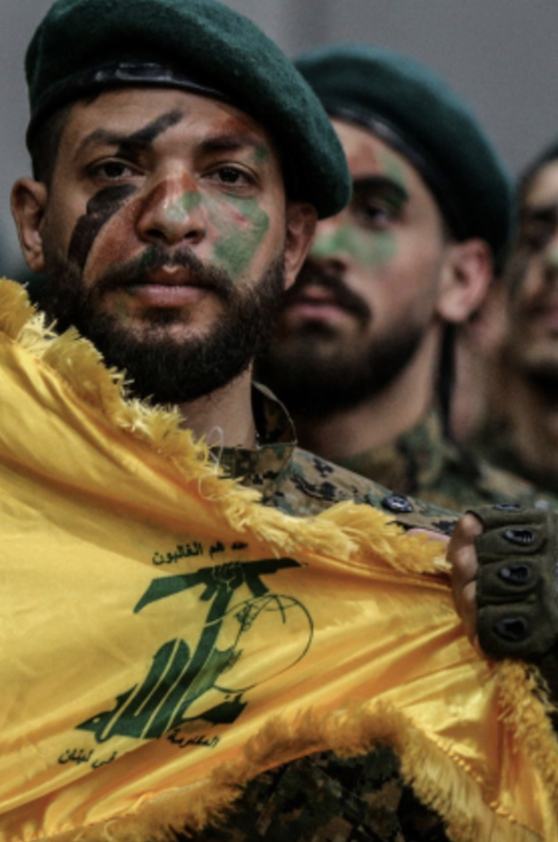
What is Hezbollah?
Origins and Formation First, Hezbollah emerged during the Lebanese Civil War (1975 – 1990), when Shiite militants organized to resist Israeli presence and Western influence in the region. Soon afterward,…
-
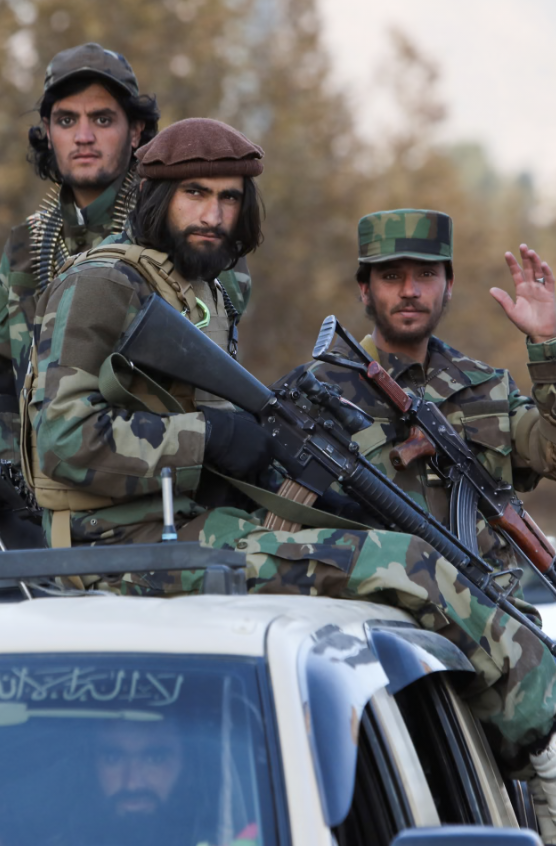
The Taliban in Afghanistan
Origins of the Taliban First, the Taliban emerged in the early 1990s after the Soviet withdrawal from Afghanistan. The movement combined former mujahideen fighters and religious students educated in Pakistani…
-
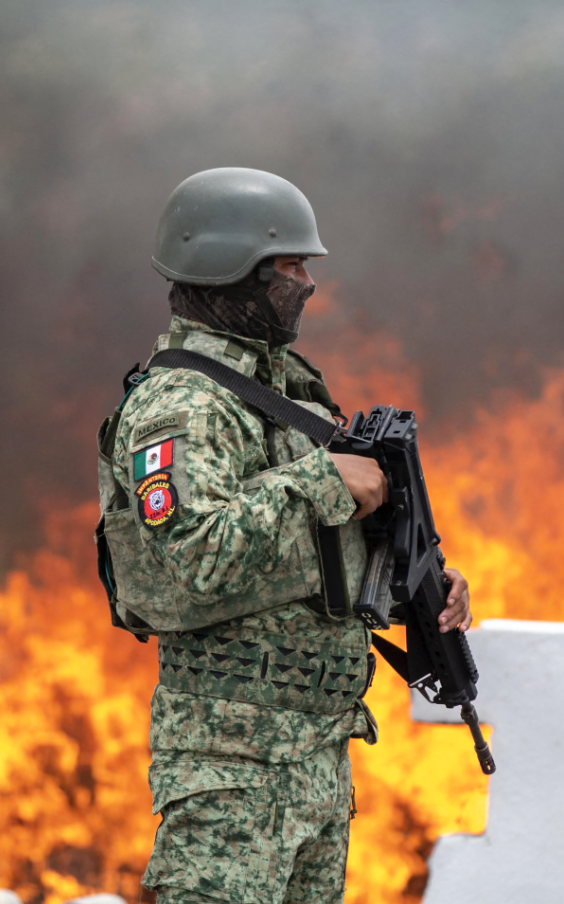
Mexico’s Long War: Drugs, Crime and the Cartels
Origins of the Conflict First, Mexico’s modern struggle with organized crime intensified in 2006 when the government launched a military campaign against powerful drug cartels. Since then, violence has persisted…
-
A constructive path to sustainable trade reform
En: Think TanksGlobal Trade Under Pressure The international trading system faces significant strain despite its central role in global prosperity and development since the post-World War II era. Meanwhile, global GDP per…
-
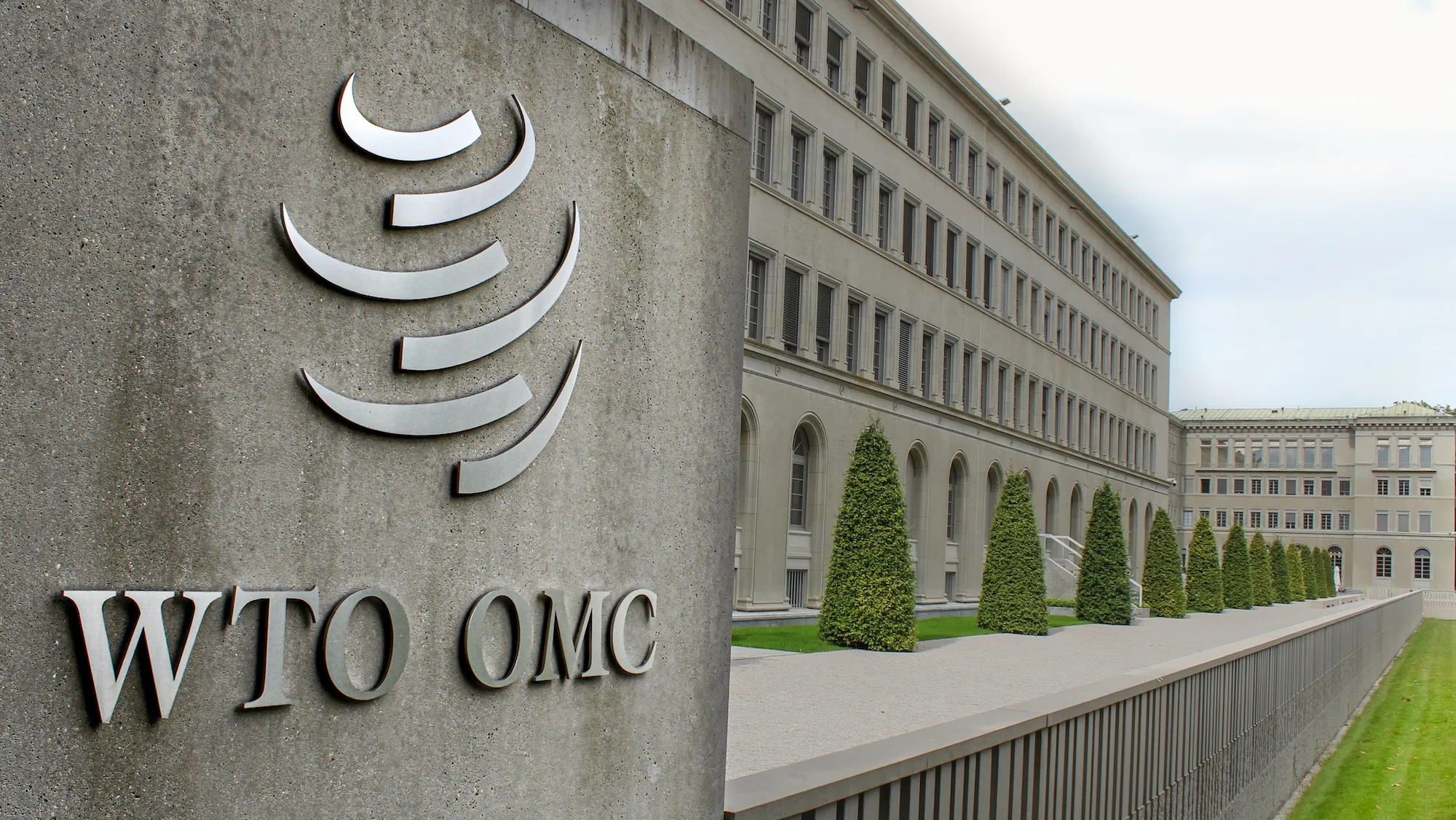
Charting a Constructive Path to Sustainable Trade Reform
The global trading system currently faces unprecedented strain. Although 72% of world goods still move under World Trade Organization (WTO) rules, the post-WWII model is aging. Experts now argue that…
-
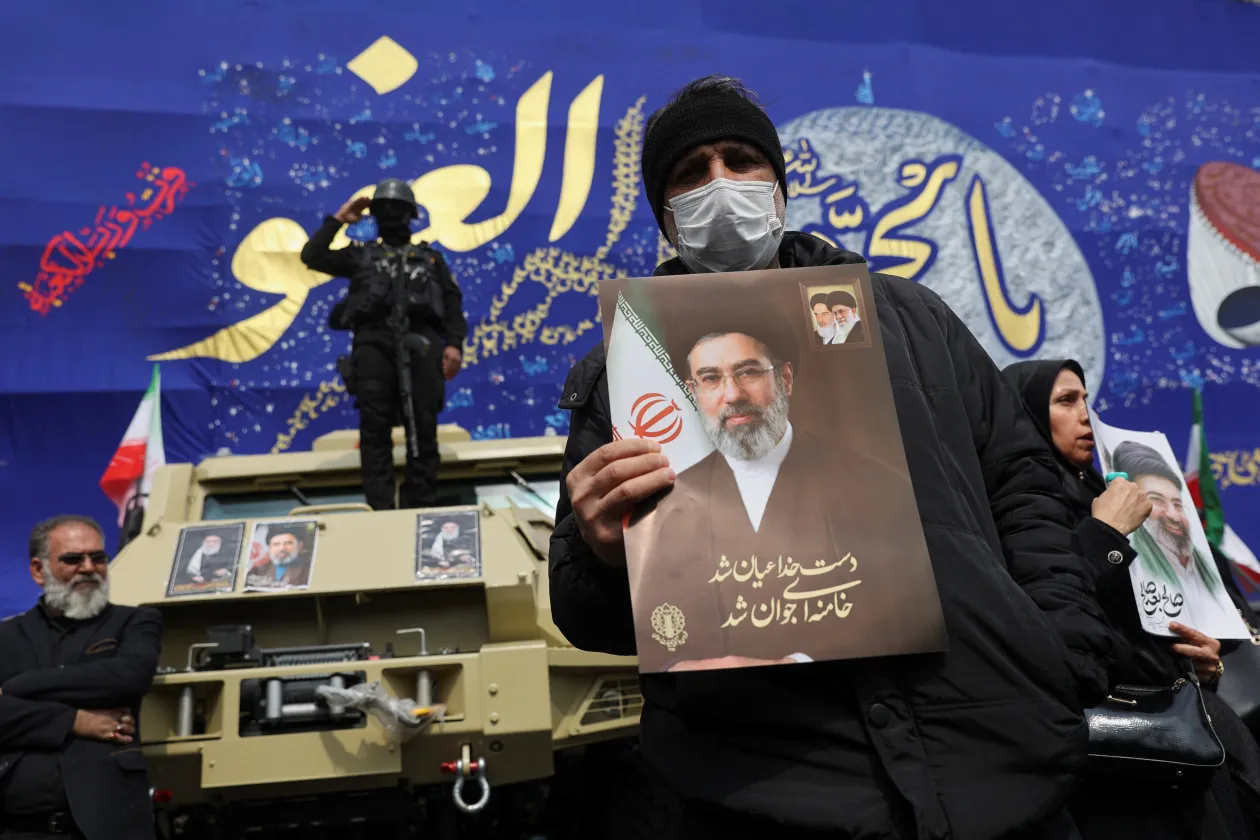
The Dangers of a Weak Iran
En: Think TanksHow a Wounded Islamic Republic Can Still Threaten the World After two weeks of intense strikes by the United States and Israel, the Islamic Republic of Iran faces its weakest…
-

The Iran War’s Muddled Endgame
En: Think TanksThe current US-Israeli war on Iran lacks a clear or achievable objective, according to Shlomo Ben-Ami. While the conflict violates international law, its primary issue is the strategic ambiguity surrounding…
-

Disinformation as a multiplier of existential threat
En: Think TanksDisinformation is no longer just a social media issue. According to a recent analysis by The Bulletin of the Atomic Scientists, this phenomenon acts as a “riskmultiplier.” Today, data manipulation worsens real dangers like climate change, pandemics, and nuclear threats. The report argues that the spread of fake news destroys trust in science and democracies. Whencitizens stop believing in institutions, crisis management becomes impossible. Furthermore, disinformation delays urgent actions, such as the transition to clean energy, by creating artificial debates over proven facts.…
-

Iran’s Drone Advantage
Introduction Initially, U.S. airstrikes on Iran in February 2026 revealed the combat debut of the LUCAS drone, a low-cost attack system used by U.S. Central Command. However, the system’s design…
-
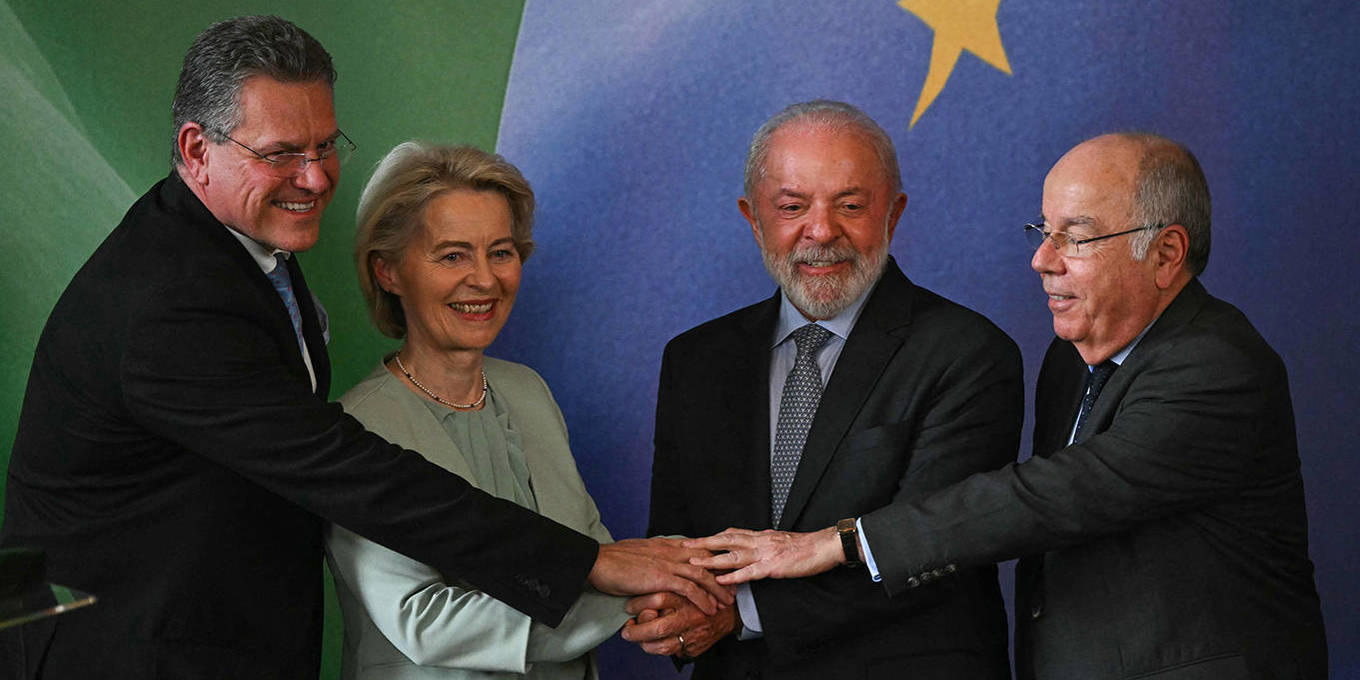
The Middle-Power Moment?
En: Think TanksShifting Global Power Initially, growing distrust toward the United States and rising concern about China’s influence are reshaping politics and creating uncertainty across the global order. The Emergence of Middle…
-
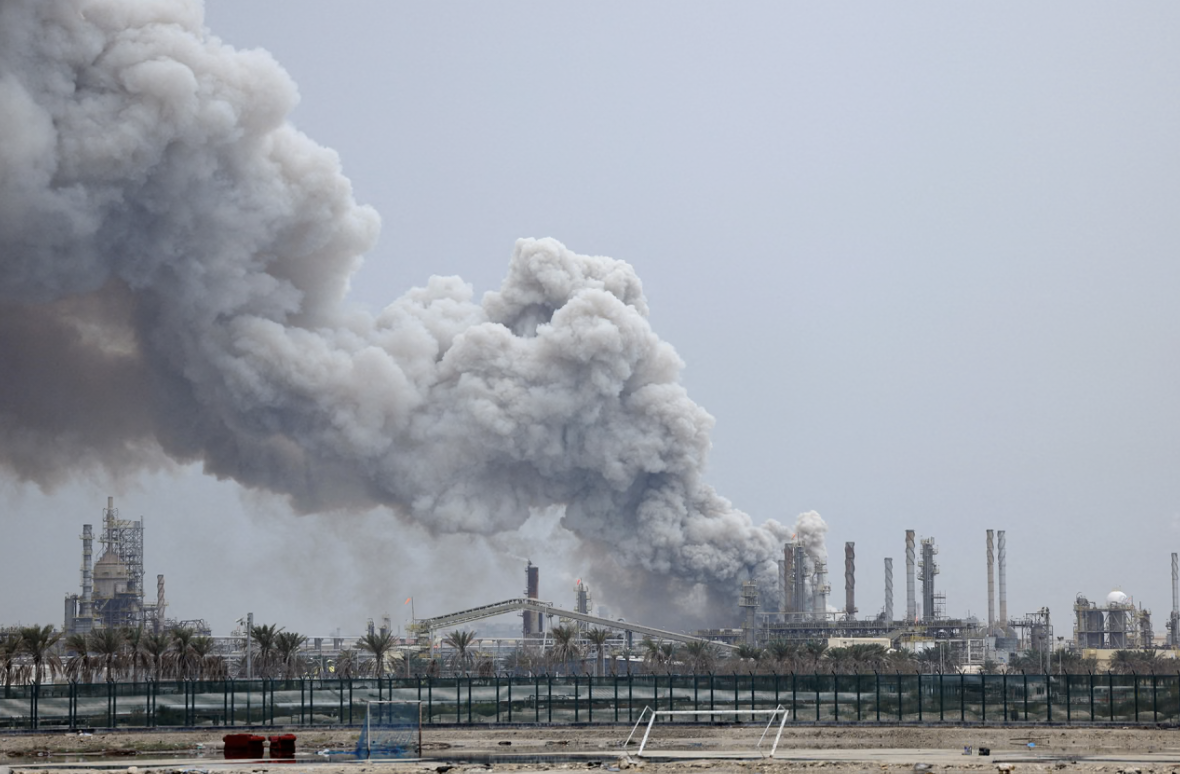
First Ukraine, Now Iran: A New Era of Drone Warfare Takes Hold
Emergence of Precise Mass Warfare First, recent conflicts reveal the rise of “precise mass,” characterized by the large-scale use of inexpensive yet accurate weapons, especially drones capable of striking targets…
-
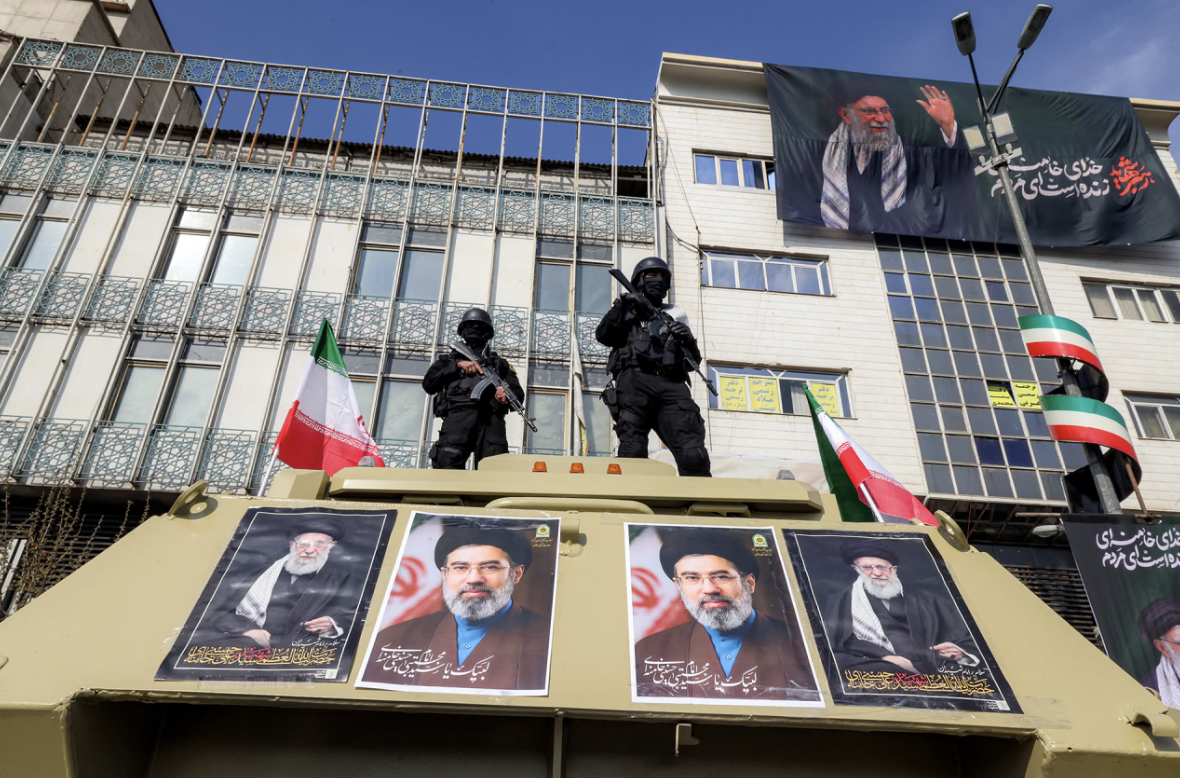
Trump Should Aim to Neutralize the Iran Regime, Not Destroy It
Strategic Dilemma in the Iran War Initially, the United States joined Israel in a broad military campaign against Iran, raising questions about the war’s objectives and long-term political outcomes. …
-

Are the Kurds in Iran Capable of Challenging the Islamic Regime?
Kurdish Population in Iran First, Iran’s Kurdish minority numbers roughly 10-15 million people and lives mainly in the northwest, near Kurdish regions in Iraq and Turkey. Moreover, Iranian Kurds historically…