
Rising Capabilities of Chinese AI
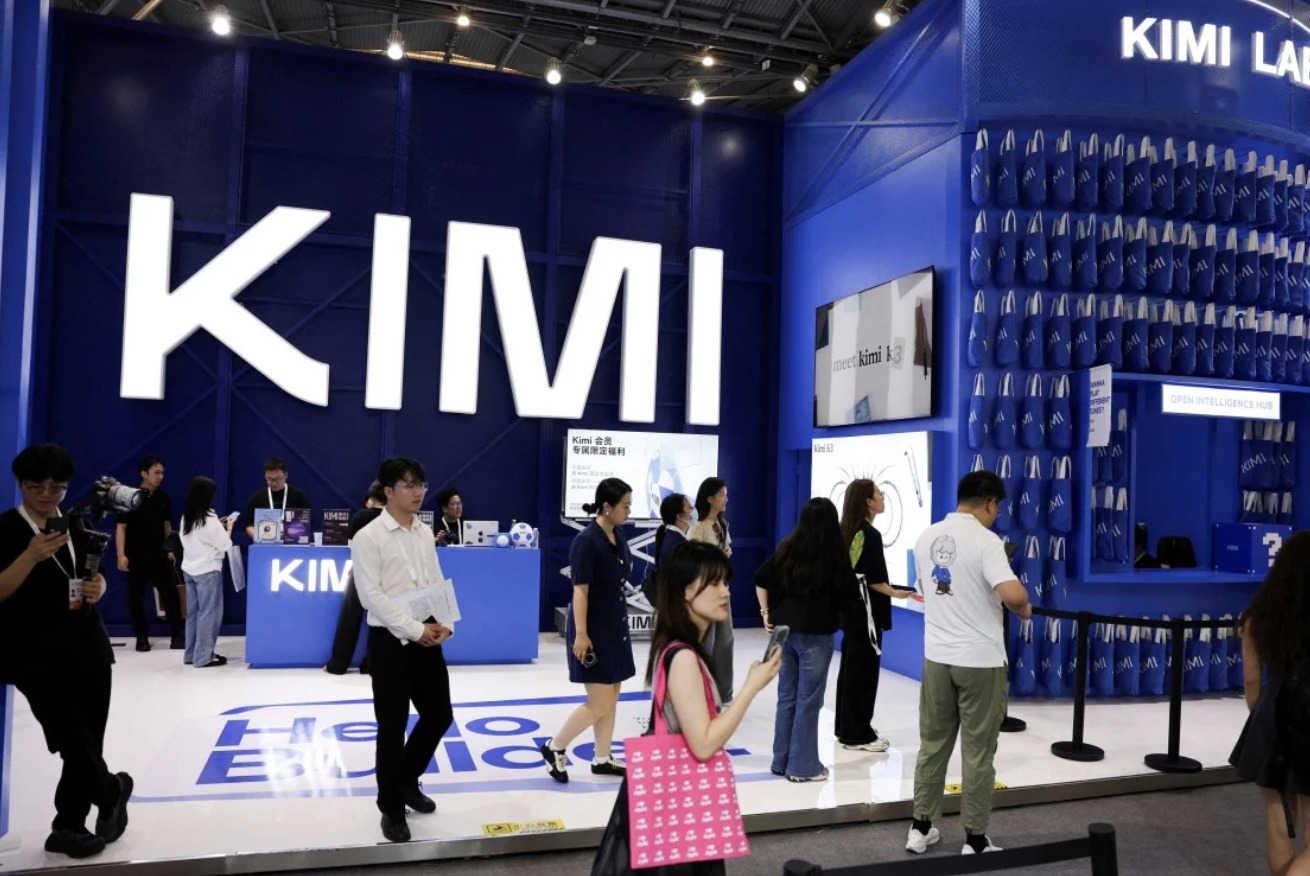
Chinese unicorn Moonshot AI recently released its advanced Kimi K3 model. Remarkably, this new system rivals top United States models in identifying critical cybersecurity flaws. The 2.8 trillion-parameter open-weight model offers performance extremely close to OpenAI’s flagship GPT-5.6 Sol. However, it operates at only a fraction of the cost. Early testing evaluated bug-detection rates against 26 known vulnerabilities. Kimi K3 successfully discovered 23 of these flaws. Consequently, researchers noted a massive jump in the capabilities of open-weight systems. Analysts now recognize it as the strongest open-weight model for cybersecurity tasks.
Restrictive U.S. Guardrails Under Scrutiny
Meanwhile, this rapid technological advancement is stoking serious fears in Washington. Many experts worry that strict safety guardrails are putting American artificial intelligence firms at a major disadvantage. To manage potential risks, U.S. developers previously restricted their own advanced models. Furthermore, the Trump administration recently blocked foreign access to specific consumer systems. In contrast, Chinese open-weight models handle sensitive cybersecurity tasks without these rigid restrictions. For example, tech platforms reported that closed U.S. models refused to analyze certain cyberattacks. Therefore, prominent tech leaders argue that Washington’s restrictive approach is only harming American competitiveness.
Intense Frontier AI Competition
Ultimately, the emergence of Kimi K3 has pushed the tech rivalry to a brand new level. In response to this progress, xAI founder Elon Musk announced plans to finish training a rival 2 trillion-parameter model next week. He believes this upcoming system might successfully exceed Kimi’s current capabilities. Nonetheless, executives at Moonshot AI struck a highly confident tone regarding their market position. They publicly welcomed an arm-wrestling match with their American competitors. Management also pushed back against the idea that Chinese models only win on low prices. They firmly assert that their state-of-the-art model deserves a reasonable commercial price tag.
Reference
Shen, X., & Shen, X. (2026, 22 julio). China’s Kimi K3 fuels fears safety curbs are holding back US AI. South China Morning Post. https://www.scmp.com/tech/tech-trends/article/3361358/chinas-kimi-k3-fuels-fears-safety-curbs-are-holding-back-us-ai?share=uzh2LNBGqcyxbe13c5rOofPiNiohfqil4GZUPtgxTCJhGCeTM2q2QAC2oDIQwX4RkDp8D%2BzyJkFEPiN0kgMnbNbbQyl0D57a4HKABet%2B88w%3D&utm_campaign=social_share