
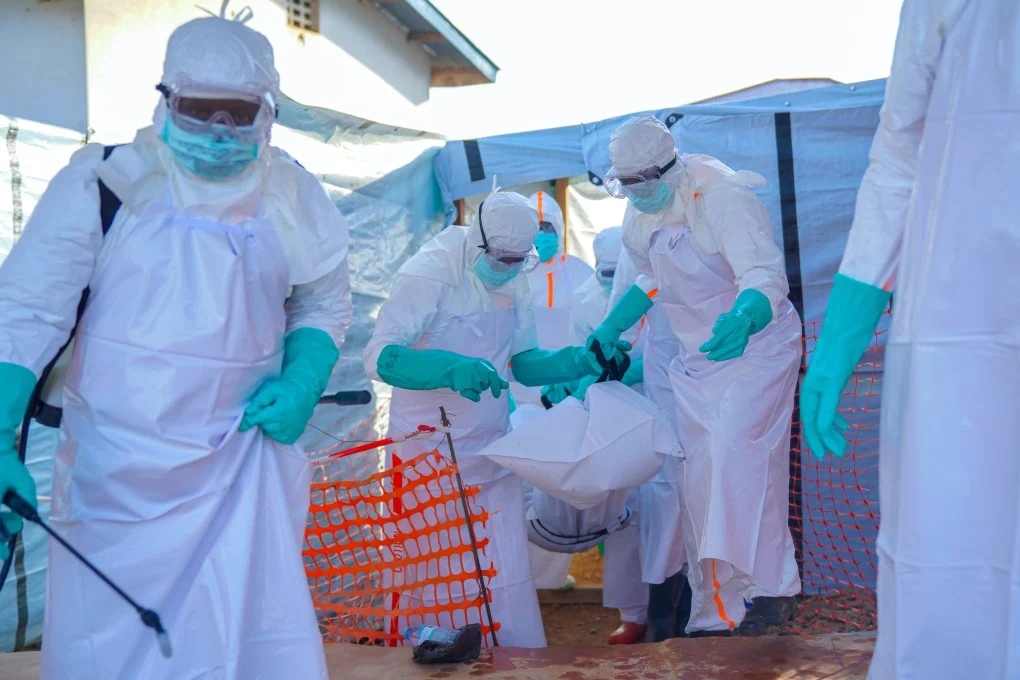
First and foremost, the scale of this health crisis requires immediate and robust international cooperation. According to recent reports, a specialized Chinese anti-epidemic medical team has officially arrived in Kinshasa for a three-month deployment. In fact, this mission was organized to directly support the local government’s response to the ongoing DR Congo Ebola outbreak.
Moreover, the situation on the ground is becoming increasingly complex due to logistical challenges and funding shortages. As a result, the newly deployed five-member team includes top experts in epidemiology, clinical diagnosis, virus testing, and even traditional Chinese medicine. Consequently, by stepping up to fill the void, this team aims to leverage their extensive epidemic control experience to save lives, improve environmental sanitation, and stop the rapid spread of the virus.
Global Health Emergency
On the other hand, the broader international community is extremely concerned about the specific nature of this severe virus. For example, the World Health Organization officially declared the situation a public health emergency of international concern on May 17.
First of all, health officials confirmed that this is the 17th outbreak in the country since the virus was first identified in 1976. Secondly, laboratory tests have successfully identified the Bundibugyo strain, which unfortunately has no approved vaccine or specific treatment available yet. Furthermore, the exceptionally high mortality rate associated with this specific strain makes containing the DR Congo Ebola outbreak an absolute top priority for global health security and border control efforts.
Strengthening Local Capabilities
Additionally, the visiting experts are not just treating patients; they are actively building long-term infrastructure. Surprisingly, team leaders emphasized that their primary goal is to establish low-cost, highly effective prevention systems that are specifically adapted to local realities.
Conversely, overcoming the existing geographical and logistical barriers remains a significant hurdle for everyone involved. For instance, core affected areas are often located in complex conflict zones with restricted population mobility and severely limited access to basic resources. In conclusion, successfully managing the DR Congo Ebola outbreak will ultimately require sustained international support, rigorous safety protocols, and deep cooperation between foreign medical experts and local healthcare institutions.
Reference: South China Morning Post. (2026, June). Chinese medical team arrives in DR Congo to help fight Ebola, filling US void. https://www.scmp.com/news/china/diplomacy/article/3356206/chinese-medical-team-arrives-dr-congo-help-fight-ebola-filling-us-void