
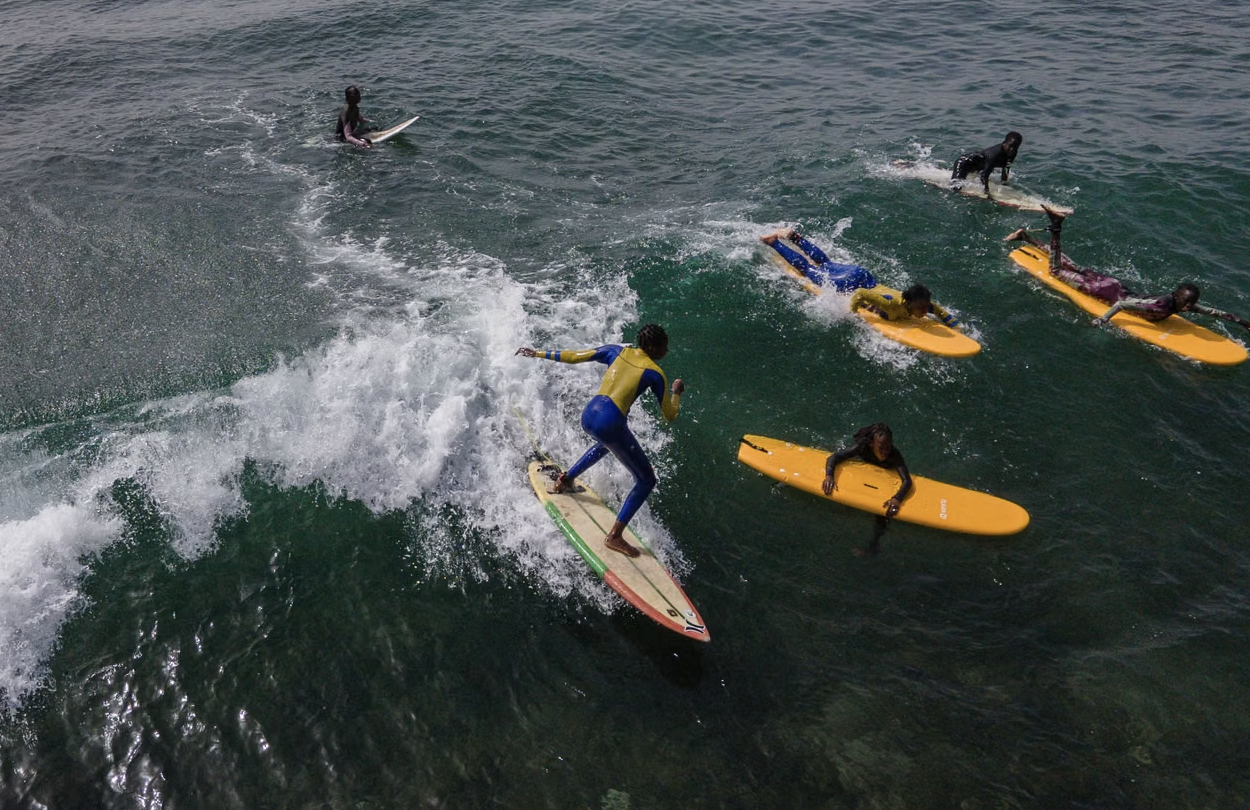
As heat and rains sweep Senegal through October, Dakar’s beaches draw families and surfers, but also a tide of plastic and wastewater from the sprawling capital.
In coastal neighborhoods, the scene is grim. Beaches and bays are blanketed in refuse. Tests by Surfrider Foundation Senegal over three years found 42.8 percent of samples failed international swimming safety standards. The 2026 Youth Olympic Games’ nautical events have been relocated south to avoid contamination.
Some iconic spots are now off-limits. The Bay of Hann, once among the country’s finest, sits beside the port and suffers from crumbling canals and an overloaded treatment plant. “We’re paying for rapid urbanization,” said the mayor of Yoff, whose facility overflows directly into the ocean.
A 2018 cleanup project backed by France, the Netherlands, and China is only 60 percent complete. Officials blame poor governance: shifting departments, canceled contracts, and outdated studies. A new treatment plant, now 90 percent built, will be only the third for the capital’s 4 million residents.
Yet change is stirring. One municipality now collects beach waste daily, and environmental police monitor large buildings. One safe swimming spot remains pristine, even with a fish market and canoe workshops nearby.
Surfers and the Lebou communities, the coast’s original inhabitants, are acting too. In June, leaders imposed fines for dumping and a small user fee to fund youth-led bay maintenance. Waste is receding, but pollution lingers.
Still, each rainy season brings floods that distract from long-term solutions, an official lamented. For now, families keep coming, hoping for cleaner seas.
Reference
Le Monde, “Les plages de Dakar, polluées et jonchées de plastique, victimes de la croissance de la ville,” published August 29, 2026. https://www.lemonde.fr/afrique/article/2026/08/29/les-plages-de-dakar-polluees-et-jonchees-de-plastique-sont-victimes-de-la-croissance-de-la-ville_6759713_3212.html