
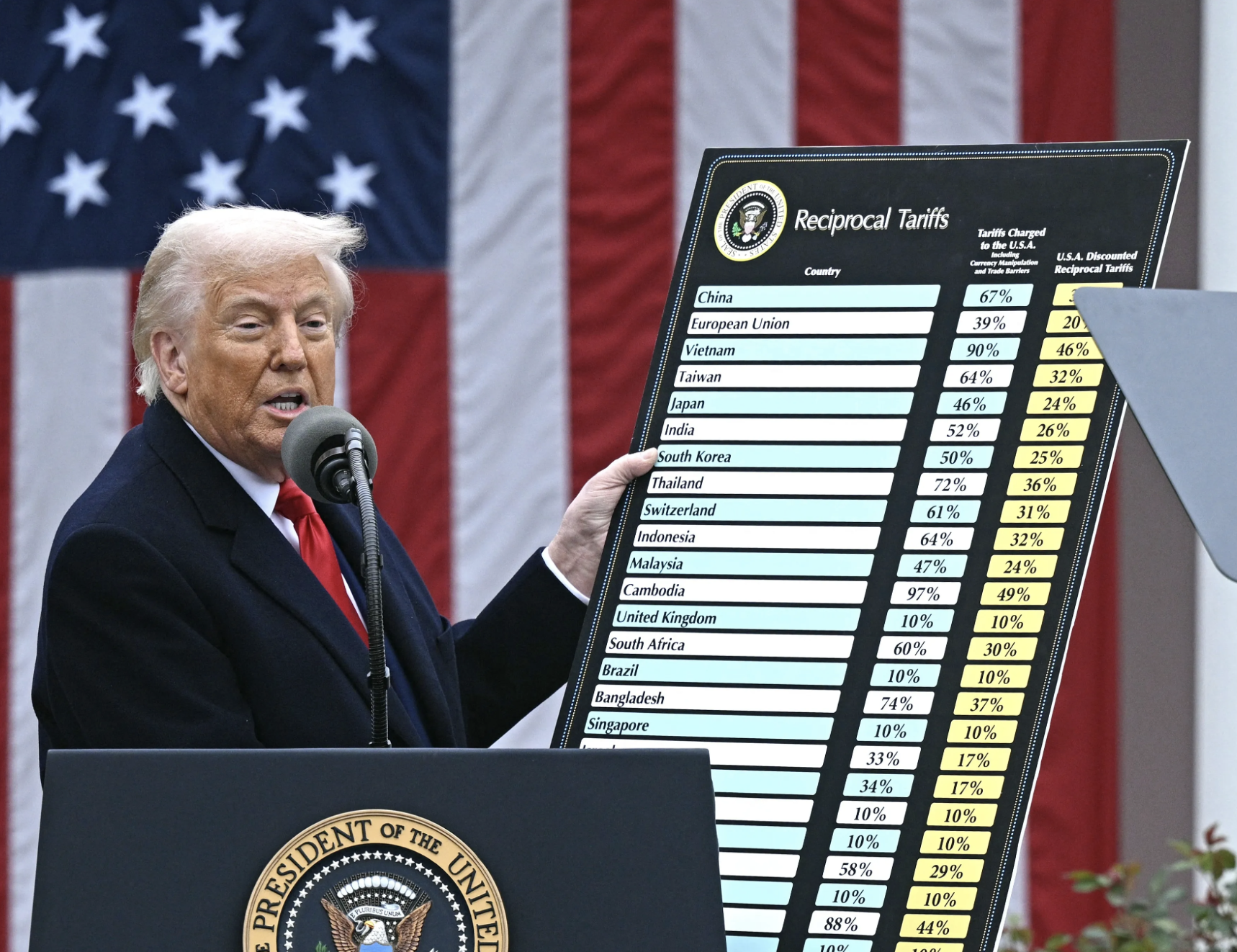
Context of the America First Trade Policy
Since early 2025, U.S. trade policy shifted sharply from rules-based liberalism to discretionary tariffs and trade actions. This new approach departs from post-World War II trade frameworks that relied on multilateral agreements and market forces.
Instead, tariffs are now central tools for both economic and geopolitical strategy. As a result, global trade norms have weakened and uncertainty has grown.
Tariff Actions and Immediate Effects
In one year, tariffs have been raised, lowered, and partially exempted, creating policy volatility. Nevertheless, U.S. economic growth remained relatively stable in 2025 despite economists’ predictions.
Part of this stability reflects that traded goods are a small share of the U.S. economy. Also, many firms have adapted or waited before changing long-term production or sourcing.
Tariffs’ Broader Economic Impact
Yet tariffs have not been costless; inflation rose modestly due to higher import costs. Further, increased tariff uncertainty constrains firms’ decisions on investment and global sourcing.
Over time, reduced exposure to competition may limit productivity and innovation. Moreover, the narrow U.S. policy focus undermines access to global value chains.
Why Effects Seem Delayed
Short-term economic indicators are muted because tariffs were implemented over months. Expectations of deeper disruption may remain unrealized simply because effects take time to materialize.
Furthermore, businesses have buffered impacts by altering inventories or delaying investment. As a result, economists are cautious about drawing definitive conclusions yet.
Trade Policy Beyond Economics
Importantly, tariffs are now part of broader policy tools, not just economic levers. They are being used for leverage in geopolitical disputes and supply-chain concerns.
This represents an explicit break from past U.S. trade policy. Instead of multilateral rules, the U.S. pursues unilateral authority to impose and adjust tariffs.
Long-Term Competitiveness Concerns
Over time, trade barriers may weaken domestic competitiveness by reducing external pressure to innovate. Also, uncertain tariff regimes may deter foreign investment or complicate planning.
Additionally, companies reliant on imported inputs face higher costs and complexity. Thus, economic dynamism could diminish if barriers persist.
Institutional and Global Implications
By sidelining the rules-based system, the U.S. has loosened constraints on its own trade behavior. This shift may erode global dispute settlement mechanisms.
Allies and partners could seek alternative trade arrangements without the U.S. at the center. Consequently, long-run market access for American exporters may face new barriers.
Outlook and Open Questions
In summary, immediate economic downturn from tariffs has not materialized. However, policy volatility long-term constraints may reshape investment and trade decisions.
Thus, the full impact of tariffs is not yet visible and may emerge over years. Ultimately, both economic and geopolitical effects will determine if these policies “work” long term.
Source:
Heerman, K., & Wessel, D. (2026, February 6). Did ‘America First’ tariffs work? Brookings Institution. https://www.brookings.edu/articles/did-america-first-tariffs-work/