
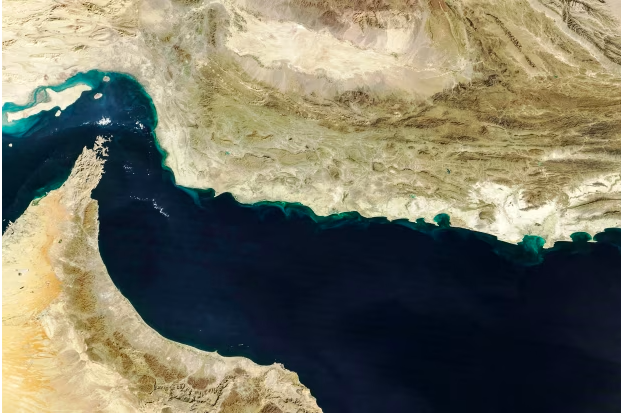
First and foremost, the world is overly dependent on a very small number of narrow maritime passages for energy and logistics. According to maritime experts, this concentration of risk means that a single geopolitical conflict can paralyze international commerce overnight. In fact, the ongoing crisis highlights how traditional infrastructure planning failed to account for modern security threats in these vital corridors.
Moreover, diversifying these routes is not a simple logistical fix. Consequently, building new pipelines or expanding land-based alternatives requires massive capital and decades of political cooperation. As a result, the current global trade supply chain remains acutely vulnerable to regional instability.
Strategic Dependency and Resilience
On the other hand, companies are beginning to realize that “just-in-time” efficiency has created a dangerous lack of resilience. For example, global corporations are now being forced to reconsider their reliance on singular, high-risk routes. Furthermore, the bottleneck in the region is forcing a shift in how nations view their long-term energy security.
First of all, the solution is not just better security but fundamental structural change. Secondly, the global trade supply issue is now a permanent fixture on the agenda for world leaders and business executives alike.
The Long Road to Reform
Additionally, market observers argue that we should not expect a quick recovery or a sudden fix. Surprisingly, the transition toward a more robust system will require a fundamental rethink of global logistics and energy consumption patterns.
Conversely, the risks of maintaining the status quo are becoming too high to ignore. For instance, investors are already pricing in the reality that maritime chokepoints will remain a source of volatility for the foreseeable future. In conclusion, the crisis in the Strait of Hormuz is merely the first major indicator of a systemic weakness that will define the global trade supply landscape for years to come.
Reference: Wall Street Journal. (2026). Hormuz crisis exposes a global flaw that will take years to fix. https://www.wsj.com/world/hormuz-crisis-exposes-a-global-flaw-that-will-take-years-to-fix-8241d5bc?st=Fna6yA