
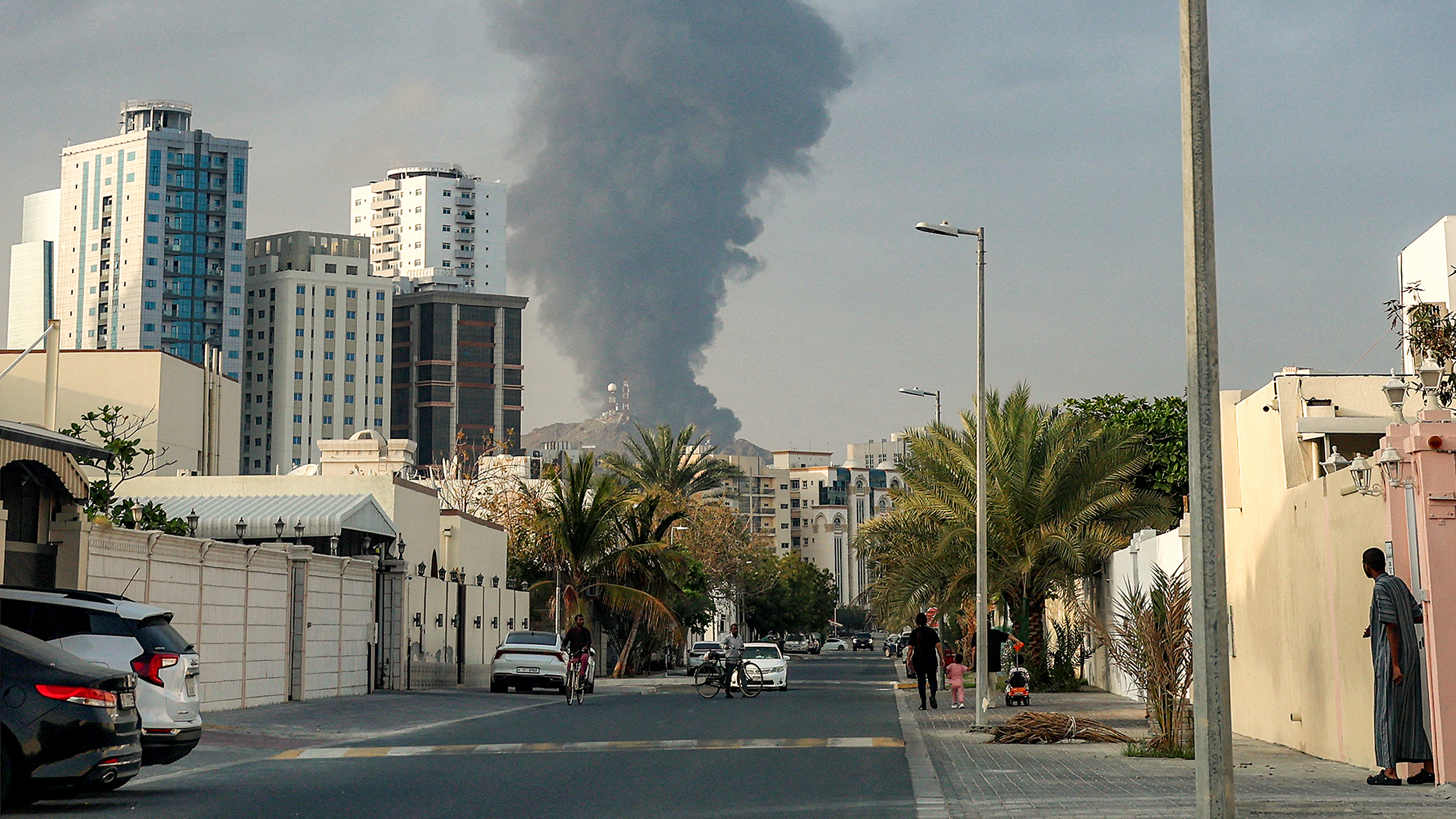
Following a period of intense conflict, the emergence of a memorandum of understanding (MOU) and a 60-day ceasefire between the United States and Iran. Has elicited a complex response from Arab Gulf states, characterized by both relief and profound trepidation. For countries like Qatar, the UAE, and Kuwait, the prospect of a deal offers an essential reprieve. From a war that has traumatized civilian populations and severely damaged critical energy infrastructure. In Qatar, Iranian strikes on Ras Laffan destroyed nearly 20 percent of its LNG production. Forcing the country to freeze exports for the first time in history. The economic stakes are existential; further escalation would likely halt foreign direct investment and jeopardize ambitious national projects like Saudi Arabia’s Vision 2030. As no rational investor would enter a region perpetually on the brink of catastrophic military strikes.
However, this relief is deeply tempered by the reality that the proposed deal leaves an emboldened. Therefore, hardline regime in Tehran with its disruptive capabilities largely intact. Gulf states remain wary that Iran retains the power to close the Strait of Hormuz at any moment and continues to maintain its network of regional proxies. There is a palpable sense of vulnerability. With some officials fearing they remain “hostage” to Iranian whims despite the diplomatic breakthrough. Consequently, the Gulf states are shifting toward a “new normal”. That prioritizes pragmatic engagement with Iran alongside a strategic diversification of security and economic partners. This includes forging new defense agreements with European and East Asian powers—such as recent pacts with France and Canada. And, shifting domestic investments toward the military-industrial complex and anti-drone technologies.
Internal cooperation within the Gulf Cooperation Council (GCC) is also deepening. Despite past diplomatic rifts, member states are increasing intelligence sharing and military coordination. Specifically focusing on maritime security and mine-clearing to protect navigational freedom in the Strait. Simultaneously, these nations are seeking more robust, perhaps even treaty-level, defense guarantees from the United States to ensure long-term stability. The prevailing view among Gulf analysts is that military deterrence alone has failed. Instead, the most viable path forward involves building a “golden bridge” for Iran. Integrating the Islamic Republic into a regional economic model where its own prosperity depends on stability.
In conclusion, the Arab Gulf states view the emerging Iran deal not as a final resolution, but as a precarious transition toward a new regional order. While the ceasefire averts immediate economic and human catastrophe. It forces these nations to navigate a landscape where U.S. security guarantees are questioned and Iran remains a permanent, formidable neighbor. The success of this deal will ultimately depend on whether the Gulf can transition. Obviously, from a strategy of pure military deterrence to one of regional economic interdependence. By attempting to bind Iran’s interests to the stability of the global energy market. The Gulf states hope to create a sustainable deterrent that survives long after the current diplomatic MOU expires.
Reference
Yacoubian, M., & Todman, W. (2026). How Arab Gulf States View the Emerging Iran Deal. Csis.Org. https://www.csis.org/analysis/how-arab-gulf-states-view-emerging-iran-deal