
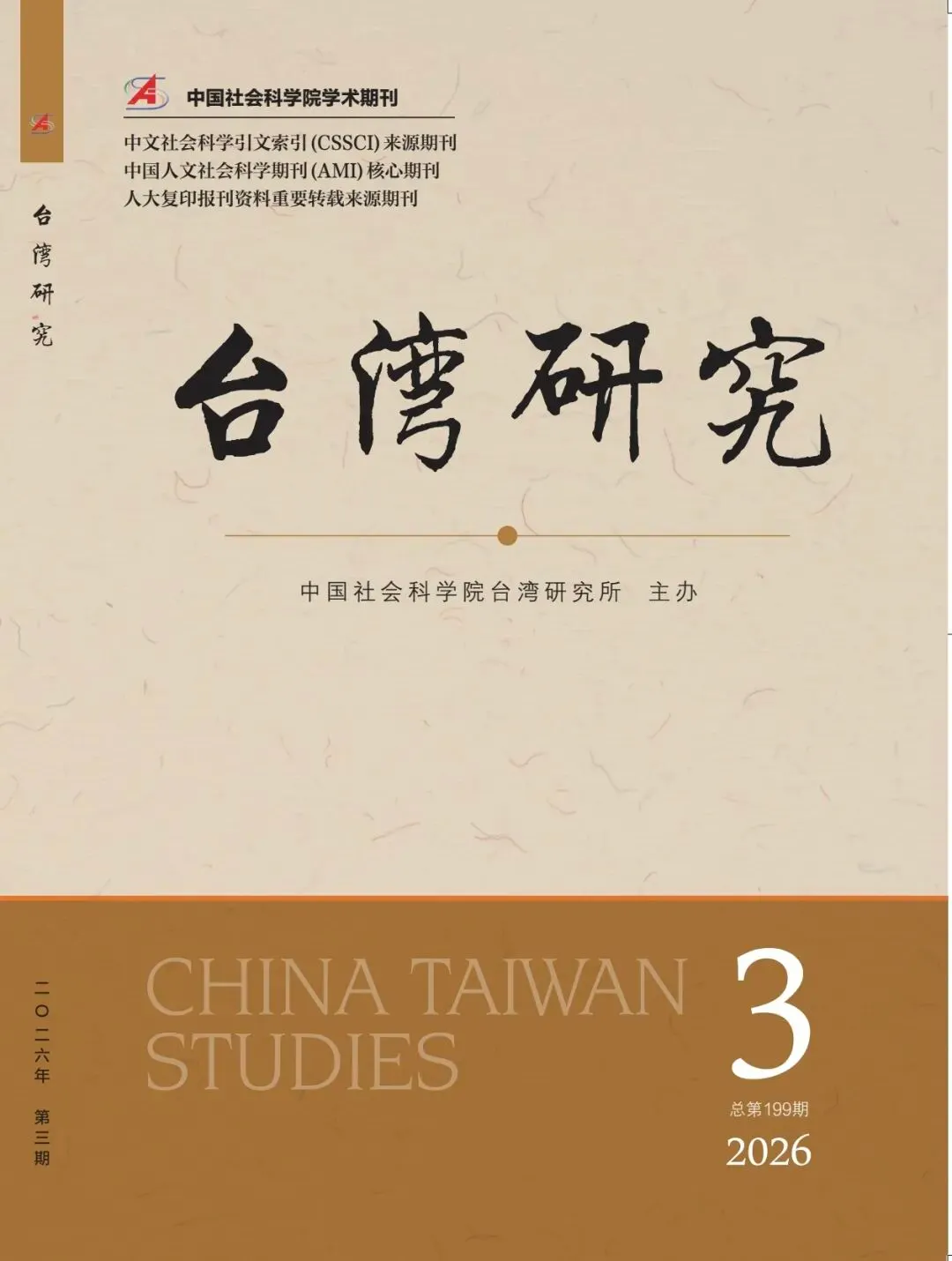
A study published in the Chinese academic journal Taiwan Studies examines how ten major U.S. think tanks influence American political debate and policymaking on Taiwan. The researchers analyzed 1,070 reports and opinion articles published between January 2020 and November 2025.
According to the study, these think tanks have increasingly focused on the possibility of a military conflict in the Taiwan Strait. The authors argue that many portray China as a growing security threat and advocate for greater U.S. involvement in Taiwan’s defense, along with stronger cooperation with regional allies.
The Role of U.S. Think Tanks
Think tanks produce research, assess geopolitical risks, and recommend policies that can influence government decisions. The institutions examined include the Center for Strategic and International Studies (CSIS), the Brookings Institution, the RAND Corporation, and the Heritage Foundation.
The Chinese researchers argue that many of these organizations draw comparisons between Russia’s war in Ukraine and a potential conflict over Taiwan. Their publications examine scenarios involving a Chinese invasion, a naval blockade, or a broader military confrontation. These assessments often support recommendations to strengthen U.S. military capabilities and expand security cooperation with Taiwan.
The study also suggests that such publications can shape public opinion, increase concerns about a possible war, and create political pressure for a tougher approach toward Beijing.
Why Taiwan Matters Strategically
Taiwan occupies a strategically important position in the Indo-Pacific and plays a major role in global semiconductor production. These components are essential to artificial intelligence, consumer electronics, industrial systems, and military technologies.
A conflict could disrupt global supply chains, undermine international trade, and cause significant economic damage. The Chinese researchers argue, however, that these concerns can also be used to justify greater U.S. involvement in the region.
Different Views Within the U.S. Policy Debate
The study acknowledges that American think tanks do not share a single position. Their recommendations vary according to their political outlook, funding sources, and relationships with government institutions and Taiwanese authorities.
Some advocate stronger military cooperation with Taiwan to deter possible Chinese aggression. Others favor a more cautious approach, warning that increased U.S. involvement could raise the risk of a direct confrontation with Beijing.
More restrained proposals emphasize maintaining diplomatic channels, managing competition, and avoiding military commitments that could draw the United States into a war.
Implications for U.S.–China Relations
The article argues that competition between Washington and Beijing extends beyond military power and economic influence. It also involves competing interpretations of international events and efforts to shape how governments, the media, and the public understand geopolitical risks.
However, the study’s conclusions should be assessed critically. The analysis does not necessarily establish that U.S. think tanks cause public fears of war or that their research reflects an intention to provoke conflict. Military planning can also serve defensive and deterrence purposes.
Ultimately, the debate over Taiwan highlights a central challenge in U.S.–China relations: how to deter potential aggression while avoiding actions that could make a military confrontation more likely. Decisions made by both powers could have significant consequences for regional security and the global economy.
Jia, Y., & Xu, Y. (2026, 25 de octubre). How Chinese Scholars View U.S. Think Tanks on Taiwan. The East is Read. https://www.eastisread.com/p/how-chinese-scholars-view-u-s-think