
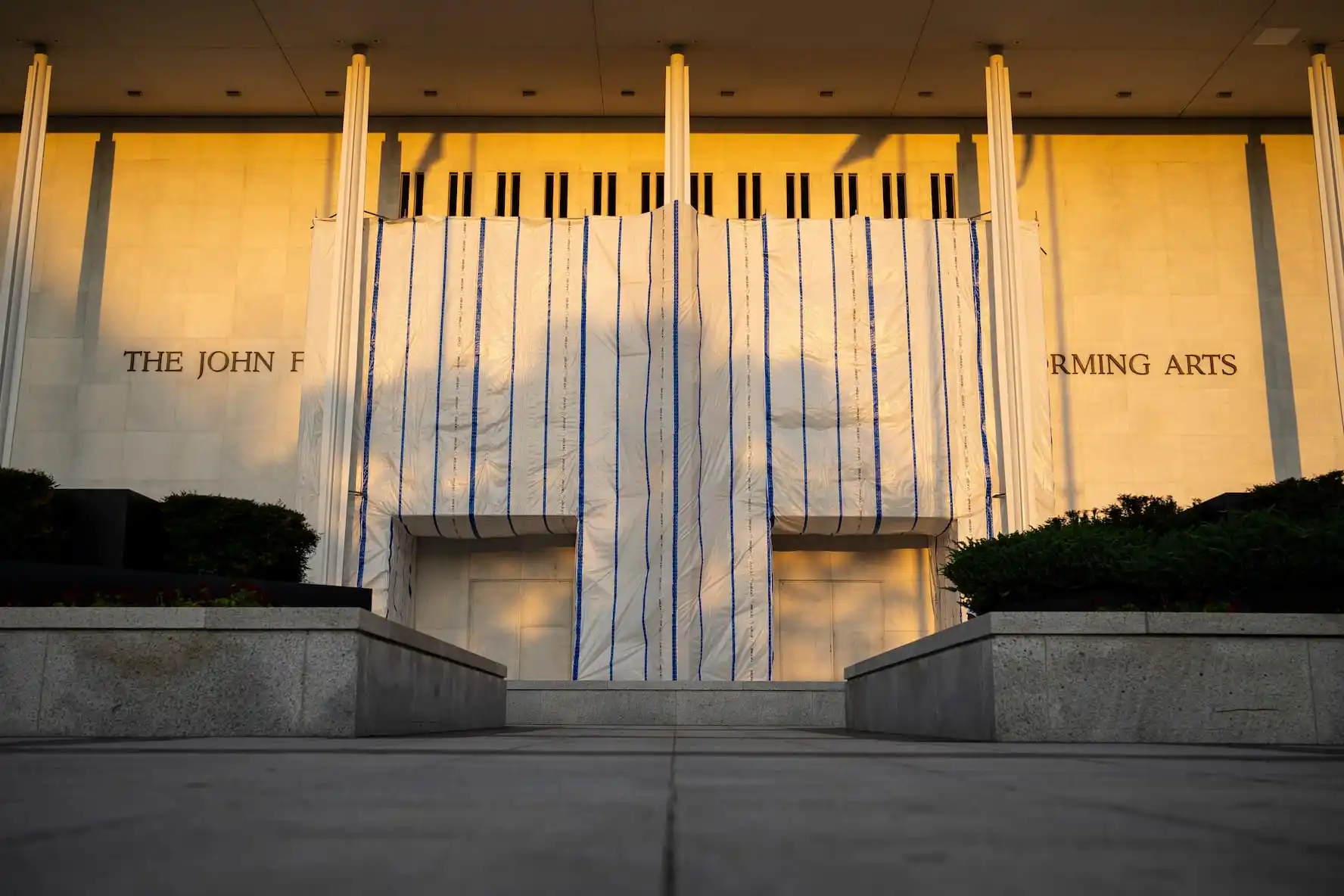
Cultural institutions across the United States face unprecedented political conflict. Specifically, agencies such as the National Endowment for the Arts encounter severe budgetary threats. Furthermore, executive orders have targeted organizations like the Smithsonian Institution. Consequently, major facilities like the Kennedy Center experience sudden operational disruptions. Therefore, political shifts increasingly jeopardize public access to historical and artistic resources.
Film as a Catalyst for Public Policy
Cinema serves as a primary driver of social reflection and legislative action. However, early Hollywood releases frequently reinforced harmful racial stereotypes.
- Early Civil Rights Backlash: Protests against silent films led to localized censorship laws in 1917.
- Public Awareness Campaigns: Post-war dramas highlighted mental health reform for broader audiences. Consequently, congressional leaders passed the Community Mental Health Act of 1963.
- Modern Media Activism: Film protests continue to challenge racial misrepresentation across commercial media.
Music as a Voice for Social Movements
Musical genres historically amplify the demands of marginalized populations. Specifically, protest anthems provided core messaging during the Civil Rights Movement.
Furthermore, folk artists articulated the economic grievances of working-class communities. As a result, working-class musicians influenced public discourse on labor rights and poverty. In addition, contemporary genres like hip-hop maintain this tradition of structural critique. Therefore, artistic creation remains intrinsically linked to ongoing civic mobilization.
Strategic Solutions for Governance and Sustainability
Protecting artistic expression requires structural mechanisms to resist political interference. Specifically, institutional reform can secure long-term financial autonomy.
- Legislative Oversight: Bipartisan coalitions in Congress can maintain stable funding levels.
- State-Federal Partnerships: Expanding matching grants reduces reliance on federal budget shifts.
- Arm’s-Length Models: Adopting independent distribution boards protects funding decisions from executive overreach.
Reference
Charkviani, E., & Gilbert, K. L. (2026, October 1). How cultural expression shapes policymaking and why it matters for democracy. Brookings Institution. https://www.brookings.edu/articles/how-cultural-expression-shapes-policymaking-and-why-it-matters-for-democracy/