
A Major Departure from Historical Maritime Transit
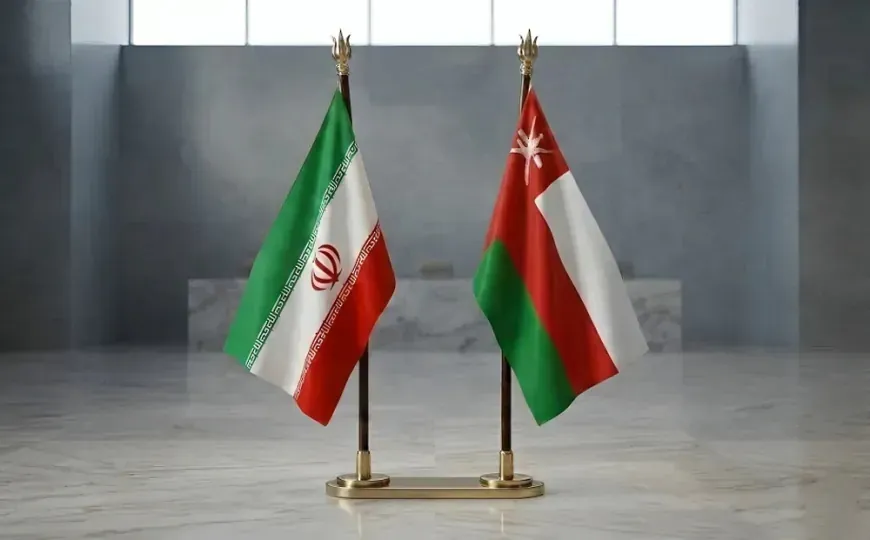
The geopolitical landscape of global maritime commerce is facing a substantial structural shift. According to an exclusive report by The New York Times, Oman and Iran are actively moving forward with a joint proposal to collect payments from commercial vessels transiting the strategic Strait of Hormuz. Historically, merchant ships have passed freely through this vital energy corridor without facing sovereign financial charges. However, the recent destructive military conflict in the region has fundamentally disrupted traditional freedom of navigation frameworks. Consequently, this novel bilateral economic initiative threatens to permanently alter international shipping logistics.
The Mechanics of the Omani Proposal
The government of Oman has officially delivered a detailed legislative framework to the United States and other Western allies. Specifically, the proposal outlines a joint mechanism where shipping companies would pay dedicated service fees to utilize the narrow waterway. To justify the arrangement, Muscat planners draw direct inspiration from existing maritime models in the Straits of Malacca and Singapore. In those Asian corridors, voluntary private contributions are collected to fund navigational safety, emergency responses, and routine maintenance. Therefore, Omani diplomats argue that the proposed fees are intended to compensate coastal states for rendering essential maritime services.
Internal Fractures on Voluntary Versus Mandatory Enforcement
Despite their diplomatic alignment, a profound operational disagreement persists between Tehran and Muscat regarding enforcement protocols. On one hand, Omani Foreign Minister Badr al-Busaidi maintains that forcing ships to pay simply for passage would explicitly violate international maritime law. For this reason, regional diplomats emphasize that the proposed framework should rely entirely on voluntary service payments. On the other hand, senior Iranian officials firmly contend that the maritime collections must be strictly compulsory. Furthermore, Deputy Foreign Minister Kazem Gharibabadi warned that Iran will implement a collection system independently if a bilateral consensus cannot be finalized.
Stiff Resistance from the United States Administration
The escalating push to monetize access to the waterway has met immediate, aggressive condemnation from Washington officials. For instance, U.S. President Donald Trump publicly declared any form of transit toll or maritime fee in the strait as completely “unacceptable”. The administration fears that allowing sovereign charges in Hormuz would set a dangerous global precedent for other international straits.
International Relevance
The unfolding confrontation over the future management of the Strait of Hormuz has monumental ramifications for global governance, transnational supply chains, and international maritime law. Because roughly one-fifth of the world’s total petroleum supply transits through this narrow passage, any permanent implementation of a payment structure directly affects global inflation indexes and commodity pricing stability. Furthermore, the open defiance of explicit U.S. and European mandates by a regional coalition highlights the fracturing of Western regulatory hegemony over global maritime commons.
Reference: The New York Times. (2026, June 30). Iran and Oman push plan to charge fees on ships in Strait of Hormuz despite U.S. objections. https://www.nytimes.com/2026/06/30/world/middleeast/iran-war-oman-strait-hormuz-fee-ships.html