
The Transition from Diplomatic Hope to Humanitarian Alarm
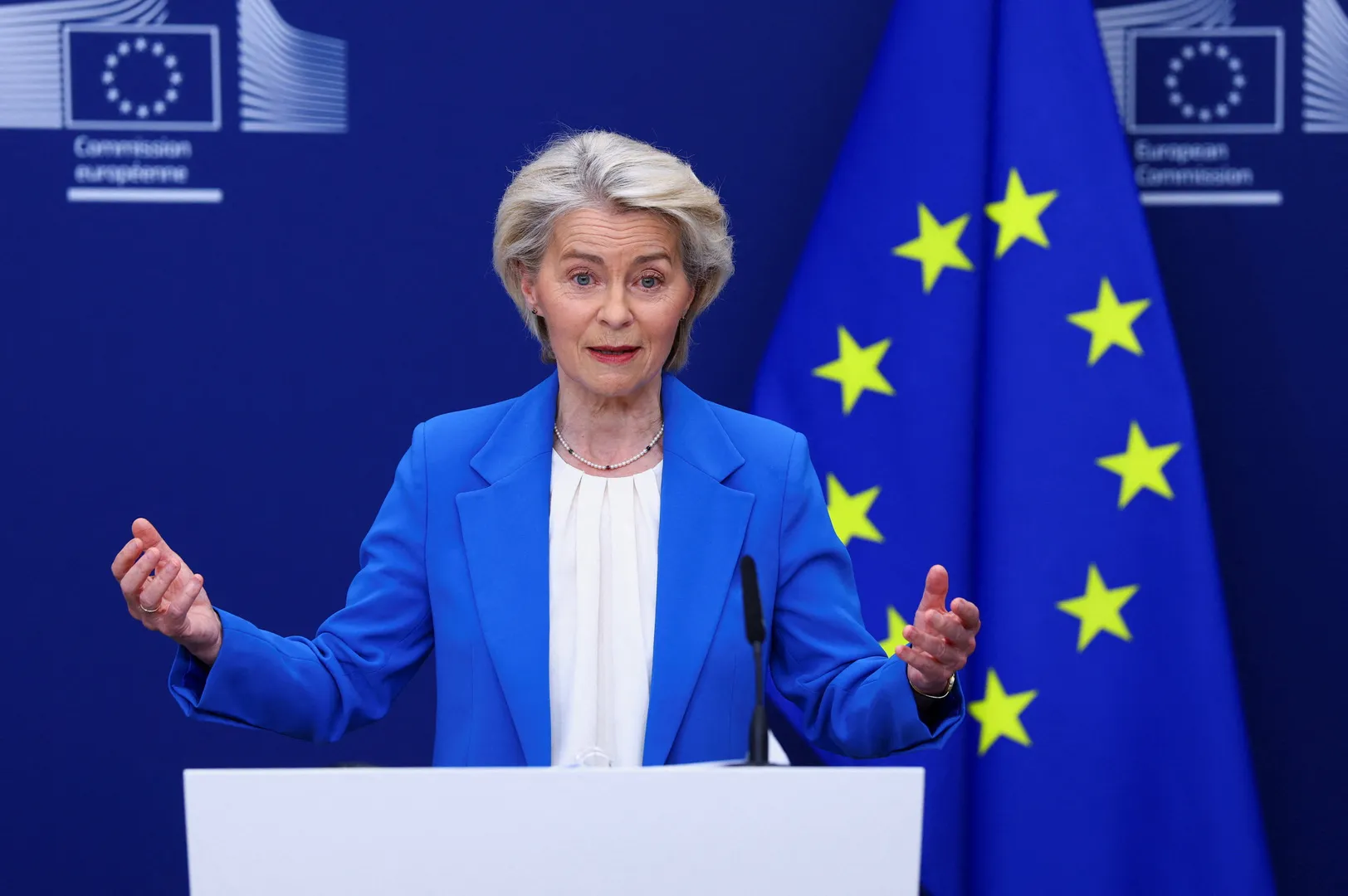
By April 13, 2026, the European Union has transitioned from supporting the fragile U.S.-Iran ceasefire (Article #92) to sounding a public alarm regarding its potential collapse. In a high-level briefing in Brussels, European Commission President Ursula von der Leyen and High Representative Kaja Kallas warned that “no peace is possible while Lebanon is in flames.” Consequently, the EU is now framing the 2026 Lebanon War not as a peripheral skirmish, but as the primary “spoiler” that could drag the Middle East back into a total conflagration. This suggests that the EU views the exclusion of Lebanon from the Islamabad ceasefire (Article #104) as a fatal strategic flaw.
Origins and the “Eternal Darkness” Escalation
Originally, the March 2026 conflict was a broader regional clash involving the U.S., Israel, and Iran. However, the origin of the current “fire” in Lebanon lies in the April 8 launch of “Operation Eternal Darkness” by the IDF. While a temporary pause was announced between Washington and Tehran, Prime Minister Benjamin Netanyahu explicitly denied that Lebanon was included, launching the deadliest wave of strikes in Beirut’s history (killing over 350 people in a single day). For 2026, this has created a Bilateral Deadlock: Israel is determined to disarm Hezbollah via “Total Attrition,” while Hezbollah rejects any direct negotiations under fire.
The Structure of the EU’s “ReliefEU” Response
The structure of the EU’s intervention is organized around Stabilization through Aid and Diplomatic Pressure. Specifically:
- Mobilization of ReliefEU: The bloc has activated its emergency supply chain to provide immediate medical and food aid to the over 1.2 million displaced Lebanese citizens.
- The “Sovereignty Demand”: The EU is calling for a “complete cessation of hostilities” and the implementation of UN Resolution 1701, emphasizing that the Lebanese Army—not Hezbollah—must be the sole guarantor of security.
- Institutional Friction: The report highlights a growing rift between the EU and the U.S. administration; while Brussels demands an immediate ceasefire to protect the energy-vital Strait of Hormuz, Washington continues to provide the diplomatic cover for Israel’s continued operations in Lebanon.
Synthesis of the “Indivisible Security” Paradox
The successful maintenance of the Iran ceasefire now faces a paradox: the “Lebanon Spoiler.” This represents the theory of Indivisible Security in Political Science—you cannot have a “vacuum of peace” in Tehran if there is a “vacuum of war” in Beirut. There is a clear intent among EU leaders to prevent a total state collapse in Lebanon, which would trigger a massive new refugee wave toward Europe. Ultimately, it is clear that the EU views Lebanon as the “lit fuse”; if the flames are not extinguished by the end of the 14-day Islamabad window, the regional “sigh of relief” (Article #96) will be remembered as a mere historical footnote before a much larger disaster.
Reference
Al Jazeera. (2026, April 13). EU: No peace possible while “Lebanon is in flames”. Al Jazeera NewsFeed. https://www.aljazeera.com/video/newsfeed/2026/4/13/eu-no-peace-possible-while-lebanon-is-in