
Closing the Automotive Cost Gap
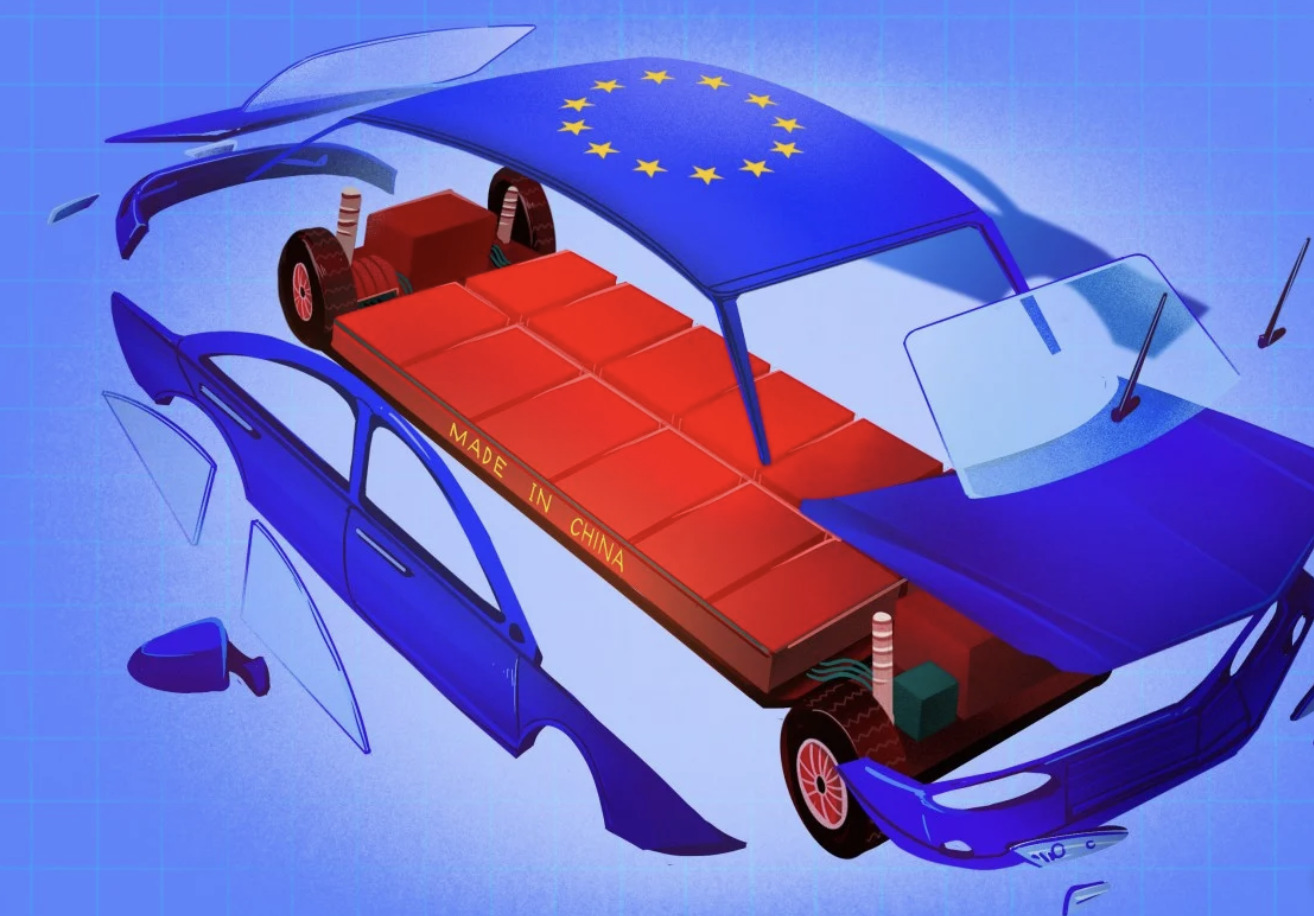
European policymakers and industry insiders are increasingly optimistic about the future. Consequently, they believe European car brands could reach cost parity with Chinese electric vehicle rivals by 2028 or 2029. The automotive sector remains a crucial industrial legacy for the continent. In fact, it represents over 13 million jobs across the European Union. To achieve this competitive goal, analysts suggest a clear strategy. Specifically, Europe must correctly implement the “Made in EU” requirements within the proposed Industrial Accelerator Act. Furthermore, European original equipment manufacturers are actively leveraging open Chinese technology. They are doing this by sourcing designs from Chinese partners or developing models directly in China. Alternatively, they can utilize ready-made components from China’s mature supply chain.
Regulatory Strategies and Market Pressures
Meanwhile, Brussels intends to use strict policy measures against foreign competitors. For example, officials want to force Chinese manufacturers to assemble their vehicles within Europe. The proposed Industrial Accelerator Act mandates that vehicles must be built with 70 percent local components to qualify for subsidies. As a result, this rule will subject Chinese companies to Europe’s higher energy and labor costs. In addition, European rivals are actively cutting internal capacities and lowering fixed costs to boost competitiveness. For instance, the Volkswagen Group recently announced 50,000 job cuts in Germany by 2030. Therefore, local brands are moving fast. Meanwhile, Chinese brands are facing severe domestic challenges of their own. They are currently working against zero or negative profitability because Beijing is gradually decreasing sector subsidies.
Technological Partnerships and Potential Trade-Offs
However, the technology gap remains a significant challenge for European manufacturers even if the cost gap closes. To address this issue, major brands like Mercedes and BMW are partnering with Chinese tech firms. Specifically, they are working with Momenta and ByteDance to develop assisted driving functions and AI integration. Despite recent improvements in innovation strength among German automakers, risks remain. Analysts warn that this major transformation relies heavily on China’s ecosystem. Consequently, it will ultimately come at the expense of European jobs. Because European brands will increasingly look to China for research and development, local engineers will face the consequences. Therefore, significant job cuts are expected for European engineers and car part manufacturers in the near future.
Reference
Xu, X., & Xu, X. (2026, 17 julio). ‘Made in EU’: How Europe plans to use China’s tech to pull level with its EV rival by 2028. South China Morning Post. https://www.scmp.com/economy/china-economy/article/3356569/made-eu-how-europe-plans-use-chinas-tech-pull-level-its-ev-rival-2028?share=HQgFmtEAz6KlT8O9Uz69GAhz7MdPlyATOuH8skB%2Bl0eK5huXSvC7F4%2FC1ItMTFvWjrjAUS%2F4YAwlgF%2FQmcesClD3SFFqRu8dwTs5le7kRKM%3D&utm_campaign=social_share