
A Wide Civilian Impact
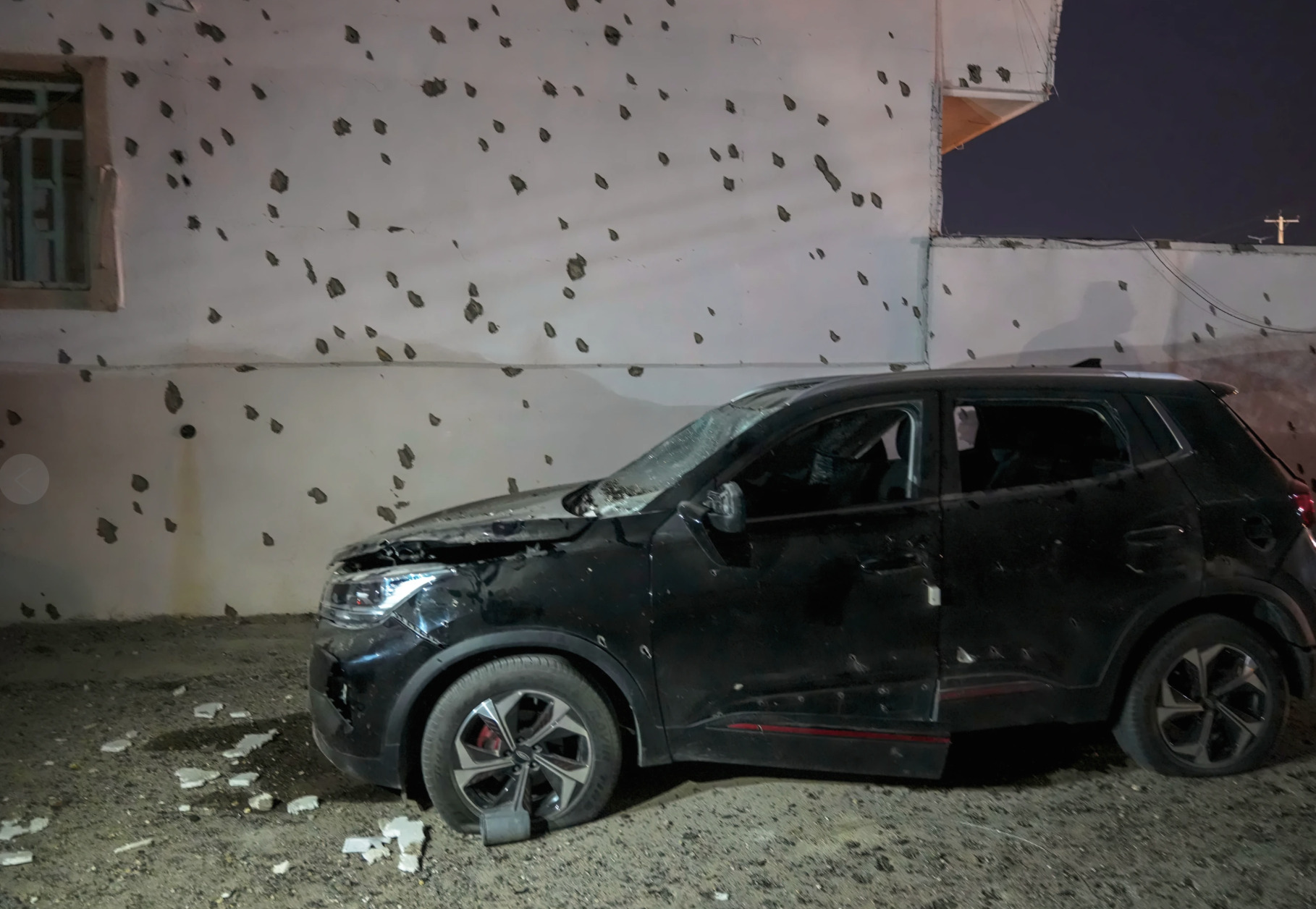
Three missiles that struck Lamerd, Iran, on February 28 appear to have produced destruction across a broad populated area. Airwars found that the weapons detonated above a sports complex and two residential neighborhoods. At least 21 civilians died, including seven children, according to Iranian officials. Victims were killed as far as 50 metres from the explosions, while visible damage extended more than three times farther.
One blast damaged a school approximately 170 metres from the Shahid Naimi Sports Hall. Seven civilians, mostly children, reportedly died in that strike. Another explosion killed two-year-old Avina Barzegar while she played in her yard. Neither Airwars nor AP found reports of security personnel being killed or military infrastructure being struck. A nearby Islamic Revolutionary Guard Corps compound showed no visible satellite damage.
Evidence Points to the PrSM
Airwars mapped the detonation points, reported deaths, and damage visible in public images. AP independently measured distances using Iranian reports, security-camera footage, photographs, and satellite pictures. Six weapons experts concluded that Lockheed Martin’s Precision Strike Missile, or PrSM, likely hit Lamerd. They considered Israeli or Iranian weapons unlikely explanations for the observed blast pattern.
Although the United States confirmed using PrSMs in Iran, Central Command denied attacking Lamerd. Officials suggested that footage showed an Iranian Hoveyzeh cruise missile. Experts disagreed because the recorded weapon did not match that model’s rounded engine. Israel also said it conducted no strike that far south on the war’s first day. Therefore, the intended target and confirmed responsibility remain unresolved.
A New Capability Raises Concerns
The PrSM can travel more than 499 kilometres, exceeding the older ATACMS range of about 300 kilometres. It explodes in the air and launches tens of thousands of dense tungsten pellets in every direction. Their density and high melting point help them retain their shape and pierce soft armour. Experts warned that this design makes the missile particularly dangerous near homes and other civilian locations.
Despite those concerns, several governments are expanding their investment in the weapon. The Pentagon awarded Lockheed Martin a contract exceeding $4 billion to quadruple production. Britain reserved 130 million pounds for purchases, while Australia invested billions after buying missiles in 2025. Former military specialists said the PrSM offers important capabilities. However, it should target concentrated enemy forces, not populated areas where unprotected civilians face extensive risk.
References
Frankel, J. (2026, August 31). New US missile appears to have left wide path of death and destruction in Iranian city, report says. AP News. https://apnews.com/article/iran-lamerd-us-prsm-lockheed-martin-b4a37c59bcf5d1a11eb87aa79f153648