
As international trade routes experience severe disruption, the far-reaching Iran war global economic impact is triggering a profound humanitarian crisis in sub-Saharan Africa. The ongoing military conflict in the Middle East has completely halted commercial maritime traffic through the vital Strait of Hormuz bottleneck. While the violence remains geographically concentrated, the resulting macroeconomic shocks are driving millions of vulnerable families in northern Nigeria into acute poverty.
The Global Pipeline of a Local Fuel Shock
To understand the core mechanics of this transnational crisis, economists must trace the ripple effects of energy market disruptions. Before the conflict, approximately one-fifth of the world’s petroleum and liquid natural gas supplies passed directly through the blocked waterway.
According to the United Nations children’s agency, the prolonged maritime blockade has sent an immediate, highly volatile inflationary shockwave across global consumer markets.
The sudden closure caused international fuel, transport, and commercial shipping prices to spike rapidly worldwide. In response, the domestic cost of imported essentials—ranging from basic grocery staples to chemical farming fertilizers—surged beyond the reach of local communities. Consequently, the Iran war global economic impact is hitting impoverished households far outside the active combat zones.
Severe Convergence of Internal Reforms and Insurgencies
This international supply shock hits a region already struggling with severe domestic challenges. Over the past three years, sweeping local economic initiatives completely removed long-standing national fuel subsidies and deeply devalued the regional currency.
Furthermore, local farming communities in states like Sokoto face constant disruptions from active insurgent groups and localized banditry. This volatile domestic environment prevents agricultural workers from cultivating their lands safely during the crucial planting season. As a result, families are caught in a vise between shrinking food supplies and soaring marketplace prices.
The Catastrophic Projections for Vulnerable Children
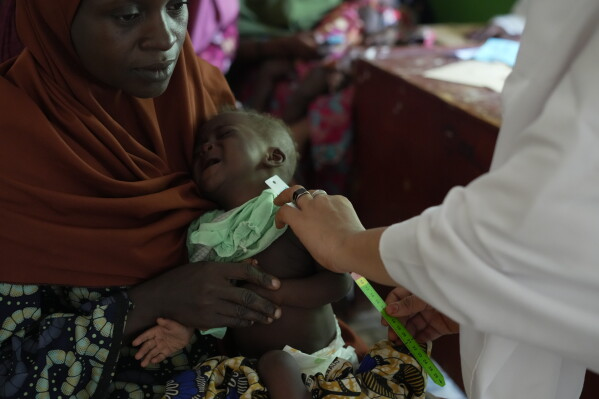
For international development organizations and global non-profits, this shifting economic landscape requires immediate emergency resource reallocation. At a single regional medical center in Sokoto, health workers reported treating dozens of infants who had previously recovered but quickly relapsed back into severe malnutrition.
Furthermore, UNICEF issued a stark technical warning regarding the rapidly worsening situation. The agency estimates that if the Middle Eastern blockade persists, up to 23.4 million additional children worldwide will fall below the monetary poverty line by year-end. Over 80% of these affected households reside within the most vulnerable sectors of Africa and Asia. Ultimately, these severe supply shortages mean an entire generation faces long-term physical stunting and compromised cognitive development.
The Urgent Need for Adaptive Supply Networks
Overcoming these deeply layered global supply and local security blockages will require extensive, coordinated international aid programs. The traditional humanitarian playbooks built for localized agricultural failures are entirely inadequate for managing a multi-continent trade shock.
Moving forward, international stakeholders must design highly flexible regional distribution networks to bypass traditional transit bottlenecks. Success in this volatile environment requires establishing secure supply paths for alternative fertilizers and medical aid packages. Ultimately, the immediate challenge for global leadership is stabilizing local food security lines before these economic ripple effects claim millions of innocent lives.
Adetayo, O. (2026, July 19). Nigerian children pay the price for the Iran war as malnutrition and poverty surge. Associated Press. https://apnews.com/article/nigeria-strait-hormuz-iran-war-poverty-malnutrition-555a5d0099ddc68345386c50656fe25f