
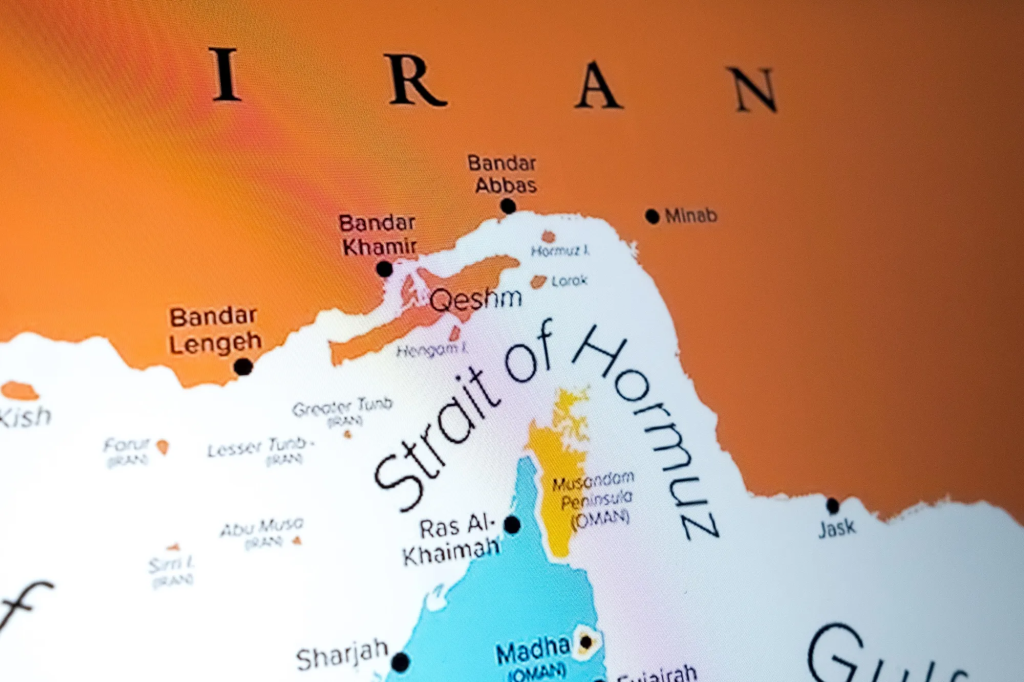
As international diplomatic frameworks break down across the Middle East, the heavy Trump Iran naval blockade escalation marks a volatile new chapter in the regional war. Following a series of deadly encounters that resulted in the deaths of multiple American troops, the White House aggressively dismantled the remaining components of the 60-day interim truce. The administration has deployed expansive naval assets to halt Iranian crude oil exports completely while intensifying strategic strikes across the southern coastlines.
The Absolute Collapse of the 60-Day Interim Truce
To understand the sudden shift from diplomatic talks to open naval warfare, observers must look back at the fragile terms of the recent peace memorandum. The initial 60-day agreement allowed global container ships to navigate the Strait of Hormuz freely without paying arbitrary transit fees to Tehran.
According to senior U.S. defense officials, a rogue hardline faction within the Islamic Republic actively sabotaged the agreement by resuming drone attacks on civilian vessels.
The White House responded rapidly to the renewed maritime threats, officially declaring the ceasefire over via social media channels. U.S. Central Command immediately received orders to implement a total maritime shutdown of all primary crude export docks. Consequently, the Trump Iran naval blockade escalation serves as a direct economic tool to compel Tehran to loosen its grip on global shipping lanes.
Targeting Critical Power Grids and Transport Bridges
This expanded military campaign extends far beyond the open ocean directly into regional domestic networks. For seven consecutive nights, U.S. aerial and naval forces executed heavy precision strikes targeting infrastructure nodes in southern Hormozgan province.
The overnight bombardment focused heavily on cutting off Bandar Abbas, the country’s primary commercial port, from central logistics highways. Heavy munitions reduced key highway and railway bridges to rubble, while civilian electricity and water desalination plants suffered severe structural damage. As a result, the campaign is systematically cutting off the coastal region from the capital city of Tehran.
Rising Financial Volatility for Multi-Market Supply Lines
For integrated global energy markets and multinational manufacturing conglomerates, this intense maritime conflict introduces extreme financial risks. Daily vessel crossings through the critical Strait of Hormuz bottleneck dropped to a record low of just eight ships.
Furthermore, shipping lines are entirely rerouting their fleets around the African continent, drastically raising long-haul transport overhead. Corporate compliance teams must now monitor both highly volatile spot prices for crude oil and expanding insurance risk zones simultaneously. Ultimately, this unpredictability forces international companies to abandon local investments and spend vital capital on emergency logistics restructuring.
A Highly Unpredictable Regional Outlook
Dismantling these newly established blockade lines will require months of complex international mediation and structural realignments. The deliberate targeting of dual-use infrastructure nodes has established a far more destructive baseline for Middle Eastern geopolitics.
Moving forward, international stakeholders must adapt to a fragmented, high-friction maritime environment. Traditional global commerce assumptions no longer apply in these highly contested waters. Ultimately, the pressing challenge for global leadership is preventing this intense naval enforcement from transforming into a permanent continental war.
The Associated Press. (2026, July 18). US and Iran escalate strikes across Mideast as conflict widens and tensions rise over the Strait of Hormuz. AP News. https://apnews.com/article/iran-war-trump-strait-hormuz-f8d20baa977b2162ba235a1bbfd4246f