
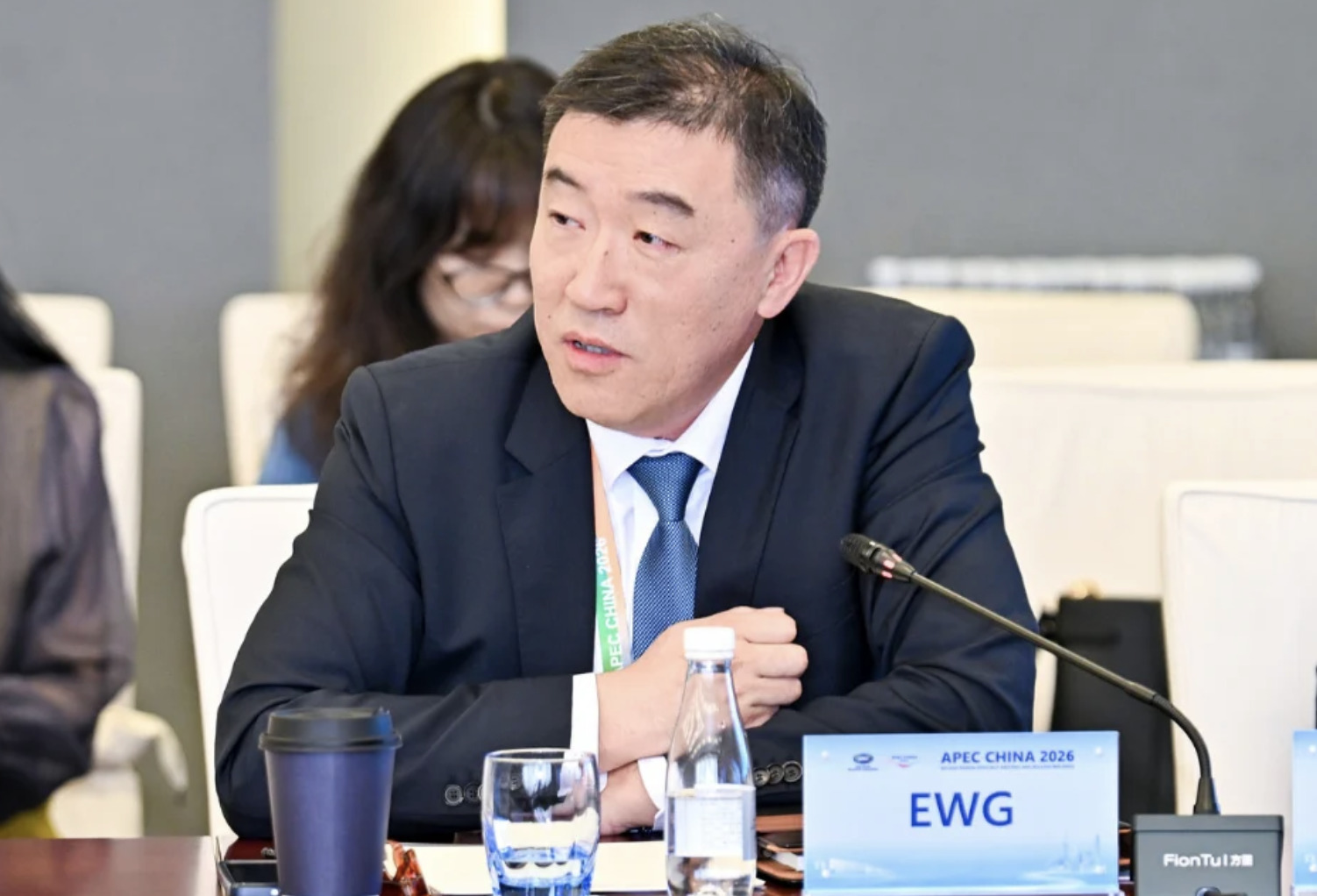
The Asia-Pacific region is entering a highly complex phase in its energy future, driven by rapidly rising electricity demand, the aggressive deployment of artificial intelligence, and increasingly frequent climate-related disruptions. Accounting for more than half of global energy consumption, the APEC region faces the critical challenge of building energy systems that are not just highly productive, but also resilient, flexible, and capable of supporting long-term economic growth. At the recent APEC Energy Working Group Meeting in Nanchang, China, member economies addressed these shared challenges, adopting a vision to forge an “Innovative and Synergistic Asia-Pacific Energy Community for All.”
AI Integration and Ensuring “Energy for All”
A central focus of the new regional strategy is the dual role of digitalization. While artificial intelligence is actively being explored to improve grid management, optimize renewable energy integration, and strengthen energy forecasting, it is also creating massive new demands. The rapid expansion of data centers and AI infrastructure is placing unprecedented pressure on electrical grids and supply chains.
Simultaneously, the coalition remains deeply committed to the principle of “Energy for All.” While the region has made significant progress in expanding basic energy access, governments are now shifting their focus toward the quality, reliability, and long-term affordability of these services. Ensuring stable power systems is considered absolutely essential to support urbanization, healthcare, education, and broader social development, particularly in remote and rural communities that are highly vulnerable to infrastructure gaps.
Synergistic Cooperation and Future Resilience
Recognizing that no single economy can navigate these multifaceted challenges alone, APEC has heavily prioritized “Synergistic Cooperation.” Deeply interconnected energy markets and supply chains mean that extreme weather events, cybersecurity risks, and logistical disruptions threaten the reliability of power systems across the entire region. Strengthening physical infrastructure must therefore be paired with robust institutional coordination and information sharing.
Because APEC member economies possess vastly different resource endowments and developmental priorities, the coalition does not prescribe a single model. Instead, it provides a flexible platform for nations to exchange practical solutions regarding grid modernization and clean energy technologies. These ongoing cooperative efforts are actively setting the crucial groundwork for the upcoming 16th APEC Energy Ministerial Meeting, which will be held in Beijing later this year.
Reference
Preparing the Asia-Pacific for the Next Energy Challenge | APEC. (s. f.). APEC. https://www.apec.org/press/blogs/2026/0611_EWG