
A Wider Campaign Below Open War
Russia has intensified a campaign of gray zone actions against European supporters of Ukraine. These activities remain below the level of conventional war but create instability, fear and uncertainty. European authorities have linked Moscow to drone incursions, sabotage, cyberattacks, espionage and disinformation across the continent. The increase comes as Russia struggles to advance in Ukraine and faces damaging Ukrainian strikes at home.
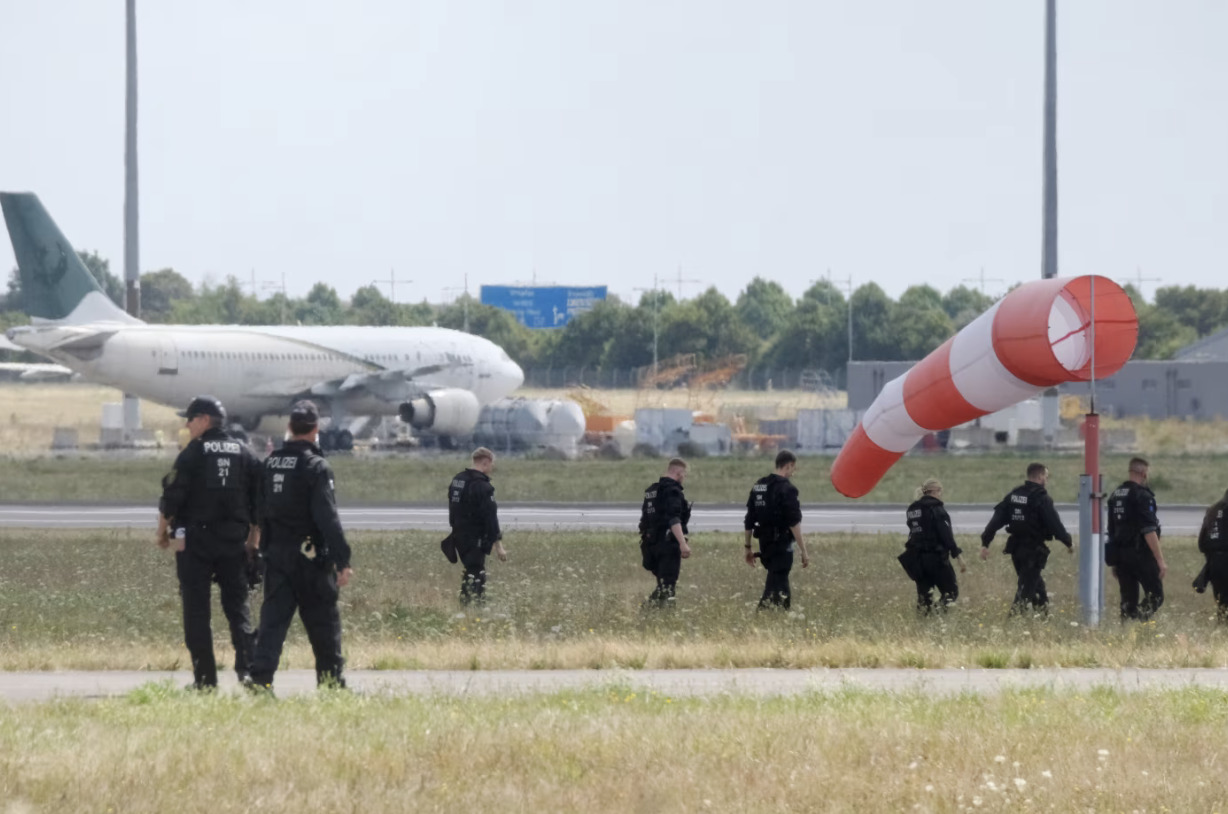
According to a Ukrainian security center, documented Russia-backed incidents rose from roughly 10 in many previous months to about 15 monthly since April. Recent cases included explosive drones near a German airport and repeated entries into NATO airspace. Romania shot down one Russian drone, while Dutch intelligence warned that Russian actors were hacking connected cameras to monitor aid shipments.
Sabotage, Fear and Political Pressure
European officials accuse Russia of recruiting local agents through Telegram and other social platforms. Those recruits allegedly carry out vandalism, surveillance and sabotage designed to deepen divisions. Estonia is investigating a fire at the defense company Milrem Robotics. Explosions at munitions facilities in Italy, Bulgaria and Finland have also raised suspicions, although authorities have not confirmed Russian involvement.
Beyond physical damage, the campaign seeks to weaken public support for Ukraine. Moscow benefits when Europeans fear that weapons deliveries expose their own countries to danger or reduce national arsenals. Russian influence also grows when unexplained incidents are quickly attributed to the Kremlin. Analysts say this ambiguity reflects a Soviet-era approach that deliberately blurs covert interference and direct warfare.
NATO Faces a Test of Resolve
Western officials worry that Russia could expand these operations. New U.S. intelligence assessments suggest Moscow might test NATO through a cyberattack or limited land incursion within the next few years. CIA Director John Ratcliffe reinforced Washington’s support for allied countries during a surprise visit to Moscow. Russia denies the accusations and says they are being used to justify European militarization.
Still, the campaign has produced little evidence of weakening NATO’s eastern members. These countries continue supporting military aid for Ukraine and increasing domestic defense spending. Romanian attitudes, for example, hardened after repeated drone incursions and damage to a residential building. The continuing attacks may disrupt elections and stir political tension, but they can also strengthen resistance to Moscow.
References
Michaels, D., & Grove, T. (2026, 30 agosto). Russia is bombarding Europe with a new wave of ‘gray zone’ attacks. The Wall Street Journal. https://www.wsj.com/world/europe/russia-is-bombarding-europe-with-a-new-wave-of-gray-zone-attacks-c5eab3fa