
Saudi Arabia has long seemed to weather the Middle East war better than its neighbours. Its East-West pipeline, the Petroline, lets it bypass the Strait of Hormuz and ship crude via the Red Sea. One economist even called the kingdom the only winner of the war, since it sells fewer barrels but at much higher prices. But this resilience is now being tested by a wave of attacks from Yemen’s Iran-backed Houthis on Saudi civilian and energy sites.
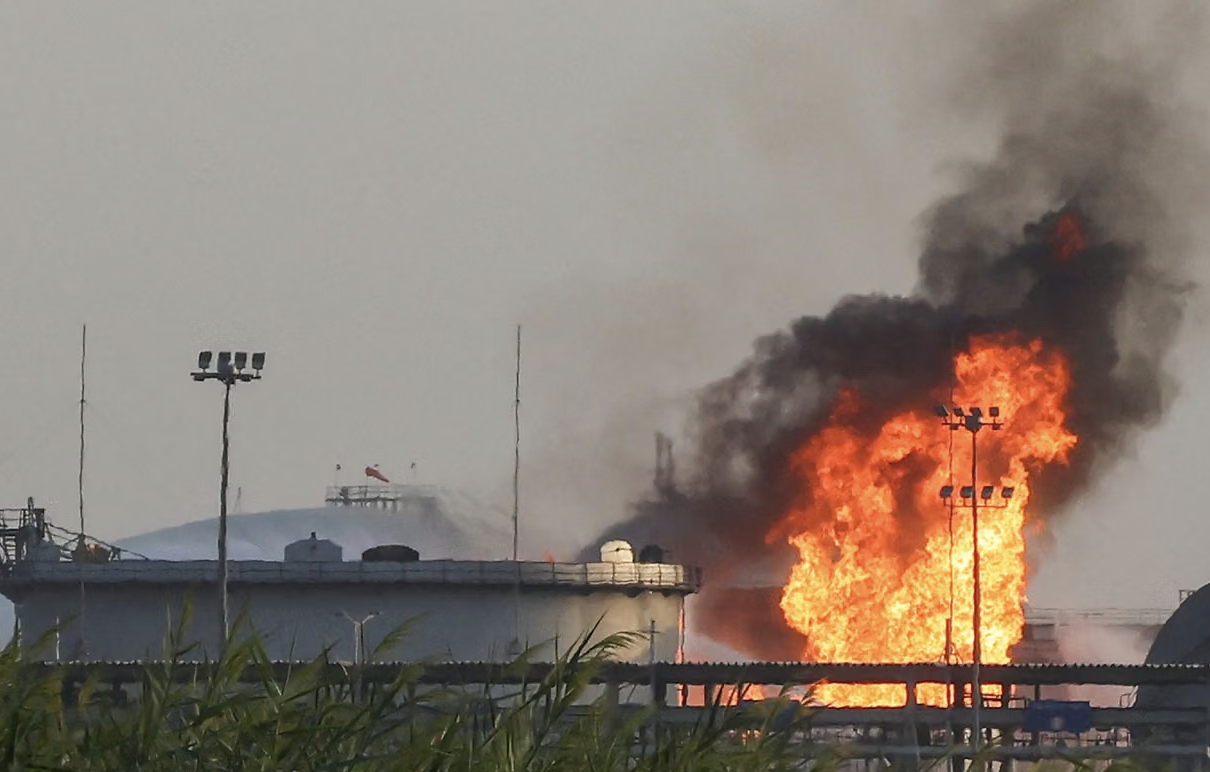
In just days, the strikes have killed 18 people and forced Riyadh’s airport to close after a deadly missile attack on Saturday, 10 October. On Wednesday, 14 October, Saudi authorities confirmed that a missile had hit a building at the Dhahran headquarters of state oil giant Aramco the night before. Reuters said several floors of a tower housing Aramco’s operations office were damaged. No one was hurt and production was not affected. But Dhahran sits at the heart of the kingdom’s oil industry, and analysts say the Houthis are sending a message that they can strike anywhere.
The attacks disrupted a major energy conference in Riyadh from 11 to 15 October. Several top oil bosses, including those from TotalEnergies, BP and ExxonMobil, cancelled. Saudi officials kept the event going and used it to defend their model. Energy minister Prince Abdulaziz bin Salman said energy resilience is not just about reserve barrels and pipelines, but about the ability to repair, reroute and keep supplying under pressure. New projects are being studied to diversify export routes, including converting a gas pipeline to oil and building a new line to Oman’s coast.
Saudi oil has shown it can adapt. After a September attack damaged three pumping stations on the East-West pipeline, a bypass was quickly installed and the line restarted after only a few days. The shock also pushed Riyadh to resume transits through Hormuz, despite Iran’s attacks on ships there. Small tankers now carry crude out of the strait, working with the US navy, then transfer it to supertankers for Asia. In September, Saudi Arabia exported about 8.3 million barrels a day, close to pre-war levels.
So far, the Houthis have not hit oil fields, which are better defended and need far more firepower. Instead, they target easier parts of the system, like storage and transport. But all Saudi export routes are now threatened, including the Red Sea, where the Houthis control key areas along the coast and can block ships at Bab Al-Mandab. Analysts say the risks come from every side, made worse by US reluctance to help Saudi Arabia against the Houthis. Despite higher export volumes, the instability is making markets nervous. On Thursday, Brent crude neared 105 dollars a barrel, up from under 90 dollars in late August.
Reference
de Vergès, M. (2026, October 15). L’Arabie saoudite, sous la pression des attaques des houthistes, tente de protéger ses exportations de pétrole. Le Monde. https://www.lemonde.fr/economie/article/2026/10/15/petrole-sous-pression-des-attaques-l-arabie-saoudite-tente-de-proteger-ses-exportations_6794616_3234.html