
As southeast Asian economies continue to expand, governments across the region are seeking reliable and sustainable energy sources capable of supporting long-term economic growth. Considering nuclear energy as part of their long-term energy strategies. Rising geopolitical tensions, disruptions in global energy markets, and the economic consequences of instability in the Middle East have encouraged governments to explore alternative and more reliable sources of energy. As a result, nuclear power has reemerged as an attractive option for countries seeking to strengthen energy security and reduce dependence on imported fossil fuels.
A significant factor for this shift is the growing demand for electricity driven by industrialization, urbanization, and technological development. Policymakers argue that nuclear energy can provide a stable and low-carbon source of electricity capable of supporting economic growth while helping countries meet environmental commitments. The renewed interest in nuclear power stems also come from a combination of economic and geopolitical factors. Recent conflicts affecting global energy supply chains have exposed the vulnerability of many Asia-Pacific economies, particularly those heavily dependent on imported oil and natural gas. Governments in Southeast Asia increasingly view energy diversification as essential for maintaining economic stability and supporting long-term development.
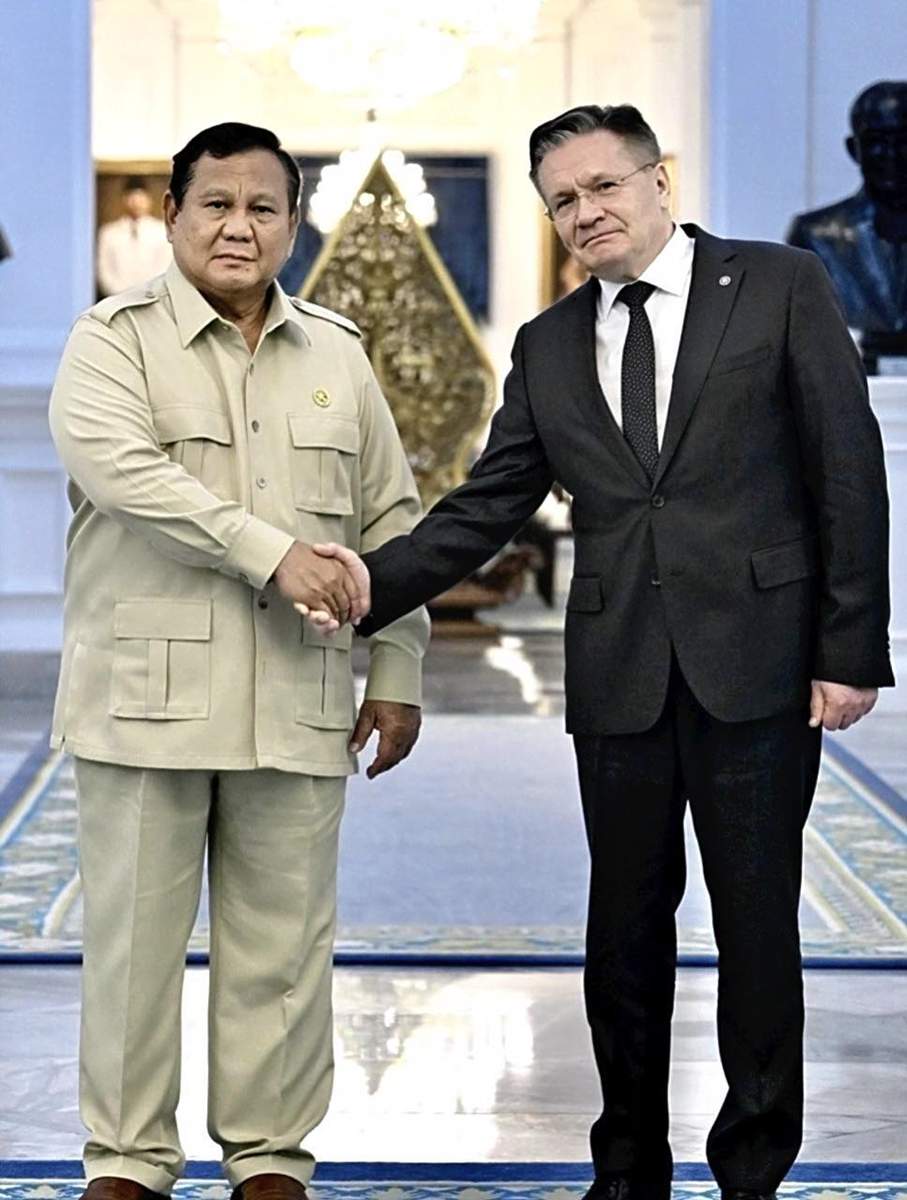
This expansion also reflects broader geopolitical dynamics. Major powers are competing to provide nuclear technology, infrastructure, and expertise to countries in the region. In particular, Russia has increased its engagement with Southeast Asian governments by offering cooperation agreements and technical support for nuclear development projects. This development illustrates how energy policy has become intertwined with international politics. Infrastructure projects are no longer viewed solely through an economic lens; they also serve as instruments of diplomatic influence and strategic partnerships.
Furthermore, the growing interest in nuclear power demonstrates how states respond to external shocks by seeking greater strategic autonomy. Rather than relying exclusively on global energy markets, governments are investing in domestic capabilities that can reduce exposure to geopolitical disruptions. It also highlights the connection between energy security and national development. Access to reliable energy supplies is increasingly viewed as a prerequisite for economic competitiveness, industrial growth, and technological advancement. Consequently, energy policy has become a central component of national security strategies across the Asia-Pacific region. This trend reflects a broader transformation in regional governance, where governments balance environmental goals, economic development, and security concerns when designing long-term energy policies.
Reference:
The Japan News. (2026, June 4). Southeast Asia has been leaning toward adopting nuclear power due to the Middle East conflict and other issues. The Japan News. https://japannews.yomiuri.co.jp/world/asia-pacific/20260604-330729/