
Disputes over the Abu al-Duhur airbase
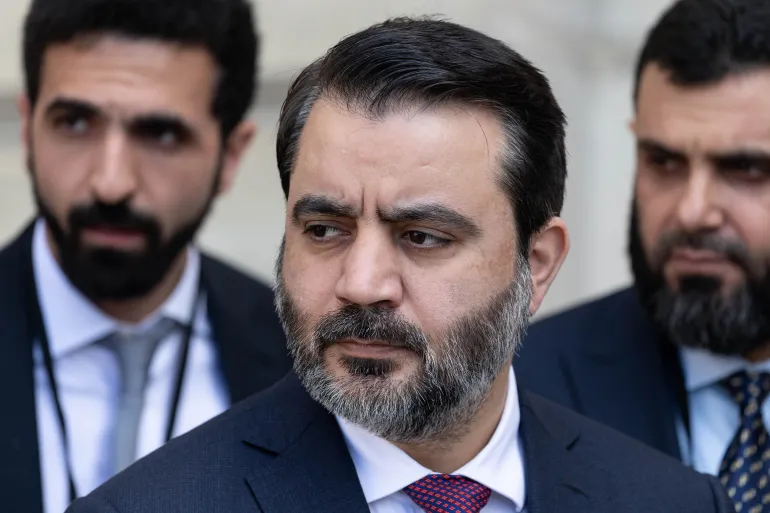
Recent developments in northern Syria have highlighted the growing tensions among Syria, Turkey, and Israel. Syrian Foreign Minister Asaad al-Shaibani stated that the Syrian government has no intention of establishing a Turkish military presence at the Abu al-Duhur airbase, a facility that was recently targeted by Israeli airstrikes. According to Syrian officials, Turkish military personnel had only visited the site as part of training and technical cooperation efforts, rather than preparations for a permanent deployment. These statements were made in response to Israeli claims that Turkey was planning to station forces at the airbase, a move Israel considered a threat to its security.
Escalating Regional Rivalries
The controversy surrounding the airbase reflects broader geopolitical competition in post-assad Syria. Since the political changes that followed the fall of Bashar al-Asaad’s government in 2024, Turkey has expanded its cooperation with the new Syrian leadership through military training, reconstruction assistance, and political support. Israel, however, has viewed the possibility of increased -turkish influence in Syria with concern, arguing that any foreign military expansion near its borders could alter the regional balance of power. These concerns contributed to Israel’s decision to strike the Abu al-Duhr facility earlier this week, despite Syrian assurances that no Turkish base was being planned.
Diplomatic challenges and international reactions
The incident has drawn international attention because it risks intensifying tensions between two important regional actors: Israel and Turkey. Turkish officials condemned the Israeli attack as a violation of Syria sovereignty, while Syrian authorities described the strike as unjustified. The United States has also become involved diplomatically, seeking to establish communication and deconfliction mechanisms among Israel, Turkey and Syria to prevent future misunderstandings or military escalation. Analysts suggest that the dispute demonstrates how Syria remains a focal point for competing regional interests even after years of conflict.
The challenges of post-conflict Syria
The Syrian government’s rejection of plans for a Turkish military presence at Abu al-duhur appears aimed at easing regional tensions and countering Israeli allegations that justified recent military action. Nevertheless, the episode illustrates the fragile security environment in Syria and the complex relationships among regional powers. As diplomatic efforts continue, the situation will likely serve as a test of whether dialogue can prevent further confrontation in a region where mistrust and strategic rivalries remain deeply entrenched.
Reference:
Reuters. (2026, August 20). Syrian official says “no plans” to establish Turkish military presence. Al Jazeera. https://www.aljazeera.com/news/2026/8/20/syrian-official-says-no-plans-to-establish-turkish-military-presence