
AI
-

AI Investment and Middle East conflict shape outlook for global trade
Contrasting Forces Shaping Trade Firstly, the 2026 outlook is driven by opposing dynamics, combining strong momentum from artificial intelligence investment with disruptions caused by geopolitical tensions. Impact of AI-Driven Expansion…
-

Analyzing the passage of state-level A bills
Emergence of State-Level AI Legislation Initially, artificial intelligence debates expanded across all government levels, yet states became central actors in shaping regulatory responses to emerging technological risks. Scope and Dataset…
-

Shrinking workforce, stagnant productivity? 3 mindsets to power growth in the agentic era
Global growth faces a dual challenge as workforces shrink and productivity stagnates, undermining the traditional engines of rising output and living standards. Ageing populations in regions like the United States,…
-

From chatbots to personal assistants: how governance is key to harnessing the power of AI agents
Agentic AI marks a shift from systems that only generate responses to ones that can plan tasks, access tools and act across digital environments on users’ behalf. These agents increasingly…
-

With AI, children risk learning to be human from a machine
Early interactions between children and artificial intelligence resemble a large-scale developmental experiment in which nonhuman companions may subtly reshape emotional and social growth. The Kellogg study, where a human infant…
-
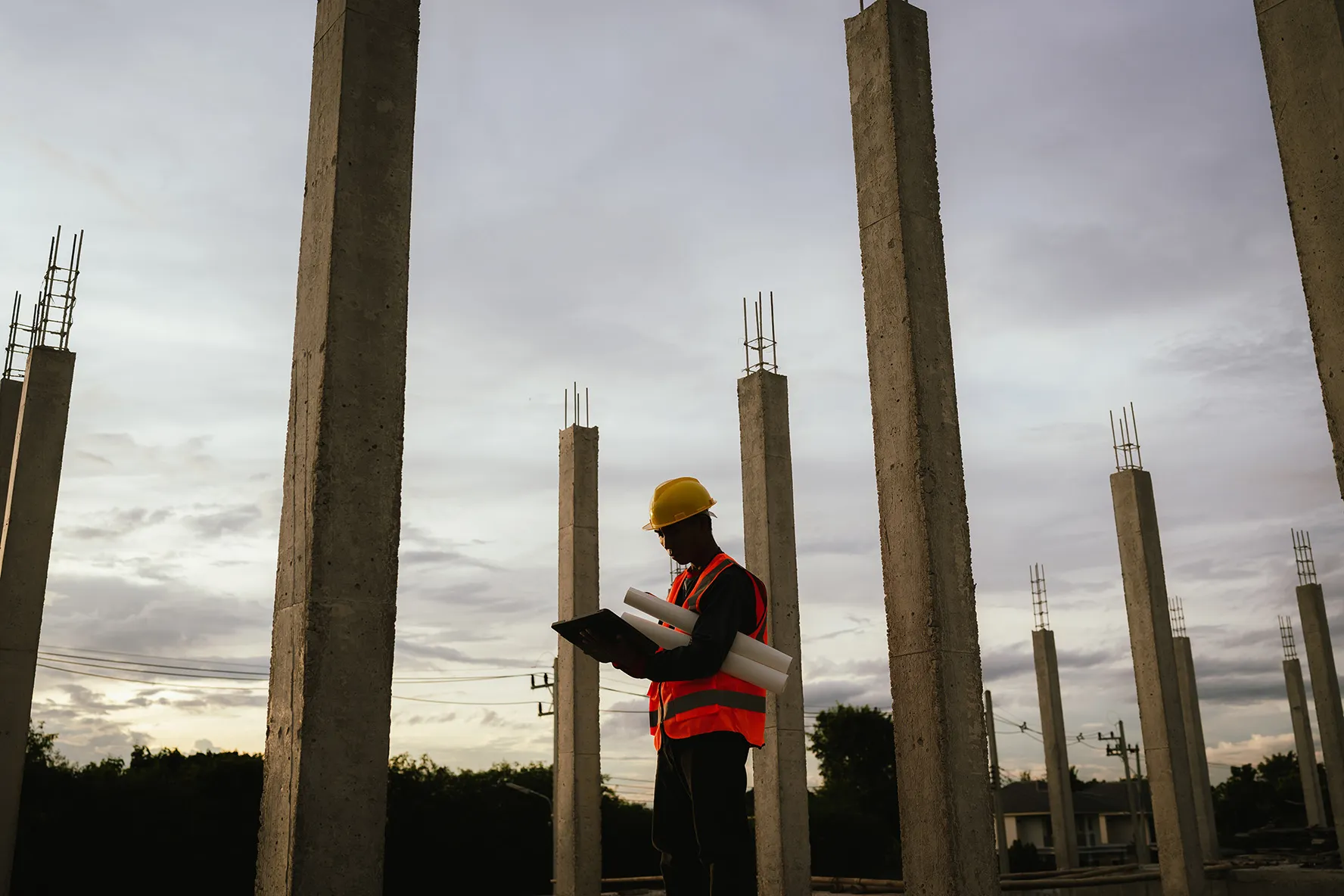
The AI durability of built environment careers
En: Think TanksContext of the Built Environment First, infrastructure systems such as transportation, energy, water, broadband, and buildings require millions of workers to construct, operate, and maintain essential facilities. Meanwhile, aging infrastructure,…
-

What happens when AI companies compete with customers?
Expansion of AI Companies into Applications First, major AI model providers increasingly expand into application markets to recover massive infrastructure costs required to develop and operate large AI systems. Consequently,…
-
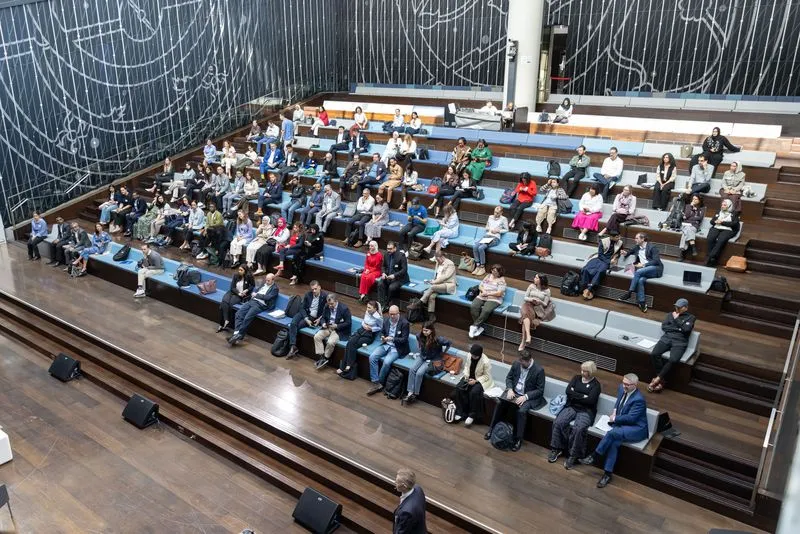
Collaborative insights from Education House Doha: Education for the era of human flourishing and AI
En: Think TanksEducation in the Age of AI First, global education systems are rapidly adapting to artificial intelligence, raising a central question: how policies can strengthen locally relevant teaching while advancing equity…
-

Intellectual Property Experts Align AI, Trade and Finance Agenda
En: APEC/PECCAPEC Intellectual Property Rights Experts’ Group In the report “Intellectual Property Experts Align AI, Trade and Finance Agenda,” published by APEC, policymakers and intellectual property specialists examined how IP systems…
-

Meta buys ‘social media network for AI’ Moltbook
Meta acquires Moltbook, a platform described as a “social media network for AI” where autonomous bots interact, converse and even gossip about their human owners in forum-style discussions, deepening the…
-
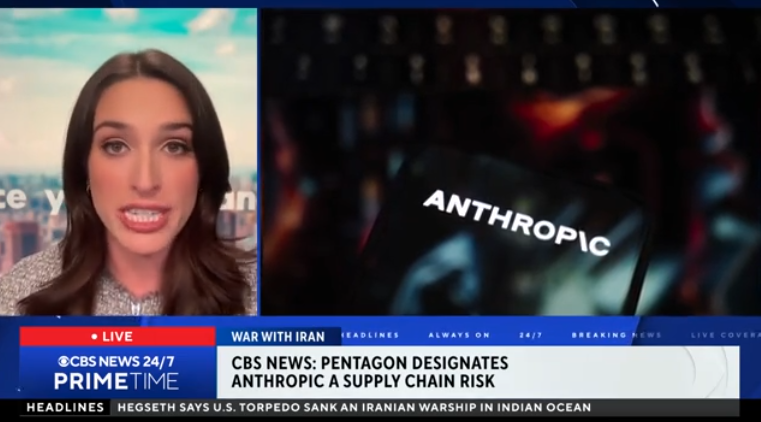
Anthropic sues Pentagon, Trump administration over “supply chain risk” designation
Anthropic challenges the U.S. government’s actions in federal court after being labeled a “supply chain risk” and pushed out of government use, portraying the move as “unprecedented and unlawful” retaliation…
-

The AI Sovereignty Paradox at Home and Abroad
En: Think TanksIn the article “The AI Sovereignty Paradox at Home and Abroad,” published by the Council on Foreign Relations, Michael Froman examines the growing tension between governments and private technology firms…
-

Vibe teaming for collective sensemaking: Exploring human flourishing in the age of AI at Education House
En: Think TanksThe Rise of Human-AI Collaboration First, generative artificial intelligence is expected to transform knowledge work and organizational collaboration. However, the central challenge is determining how teams can use AI while…
-

The State of Organizations 2026
En: Think TanksMcKinsey & Company Report (2026) Organizations around the world are undergoing deep structural change driven by technology, geopolitical disruption, and shifts in the workforce. The State of Organizations 2026 draws…
-

Having a “Human” Bank Is Very Important: A Conversation with Citi CEO Jane Fraser
En: Think TanksMcKinsey Quarterly Podcast / Interview (February 2026) In this McKinsey Quarterly conversation, Citi CEO Jane Fraser reflects on the transformation of global banking, the impact of artificial intelligence, and the…
-

AI Usage Data and the Future of Work
From predictions to practice: What AI usage data reveals about the future of work The recent World Bank blog post analyzing AI usage data from Anthropic marks a shift from…
-

From AI to Human Capital: Last Week’s Conversations
World Bank Group | February 20, 2026 The intersection between Human Capital and AI was at the center of two high-level conversations hosted by the World Bank Group on February…
-

Building Pro-Worker Artificial Intelligence
En: Think TanksNBER Working Paper Series The concept of pro-worker AI challenges the assumption that artificial intelligence inevitably displaces labor. In Building Pro-Worker Artificial Intelligence, the authors argue that technological outcomes are…
-
Is AI sovereignty possible? Balancing autonomy and interdependence
En: Think TanksDefining AI Sovereignty AI sovereignty describes a country’s capacity to control critical AI infrastructure, data and governance decisions without full self-sufficiency. It recognizes that full AI independence is practically impossible…
-

Fighting Tech-Fueled Crime
Rising Digital Crime Threats Organized criminals increasingly use advanced digital tools and social engineering to defraud and exploit victims across borders. For example, sophisticated crypto scams hide stolen funds through…
-
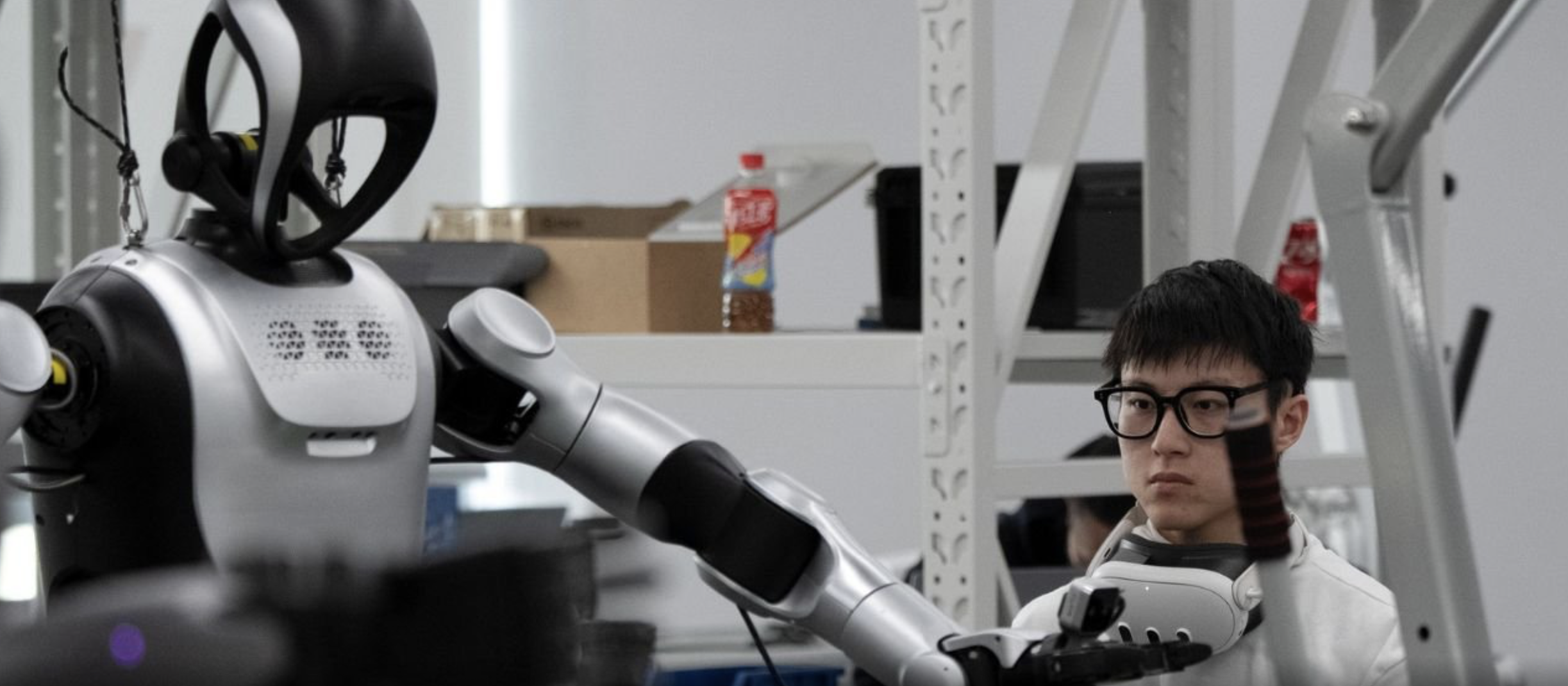
New Skills and AI Are Reshaping the Future of Work
Transformation of Jobs First, technological change has long altered labour markets and now AI accelerates that shift. Consequently, some jobs disappear while others emerge, creating opportunities and challenges at once.…
-
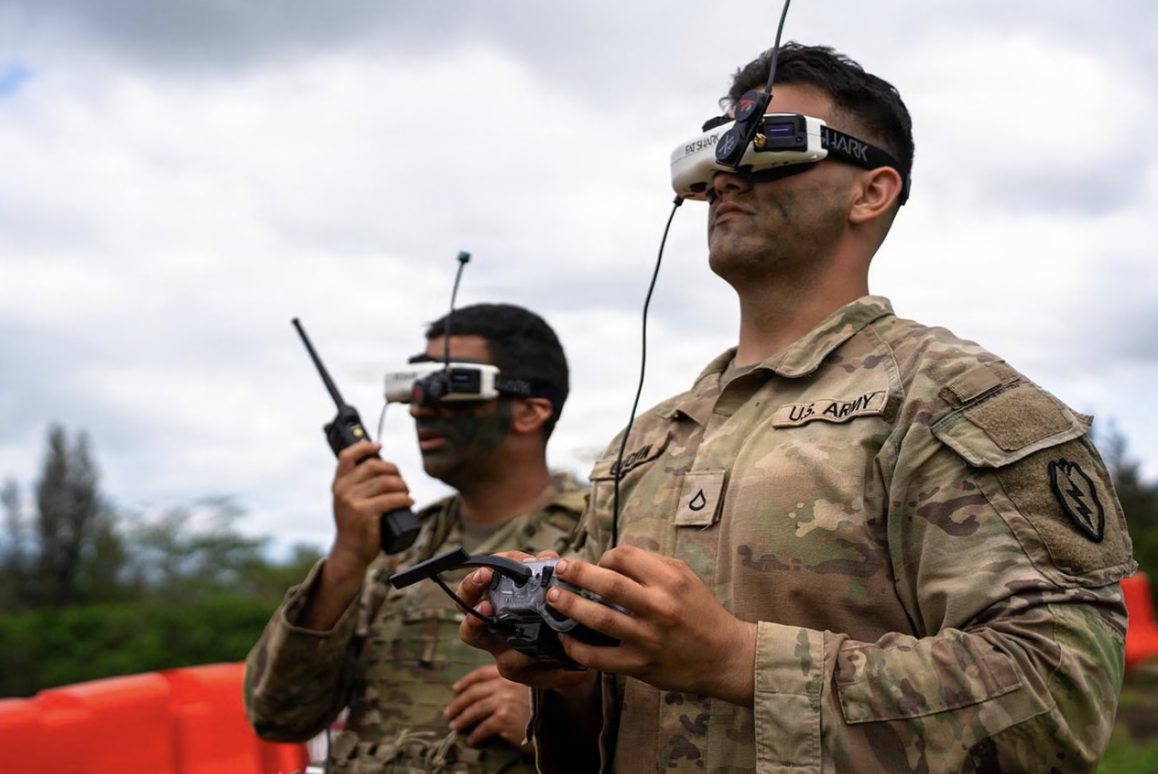
Military AI Adoption Is Outpacing Global Cooperation
En: Think TanksRising Military AI Deployment Global militaries are integrating artificial intelligence at accelerating speed operations and systems. Consequently, these deployments increasingly outpace efforts to establish international cooperation or coordinated norms. Fraying…
-
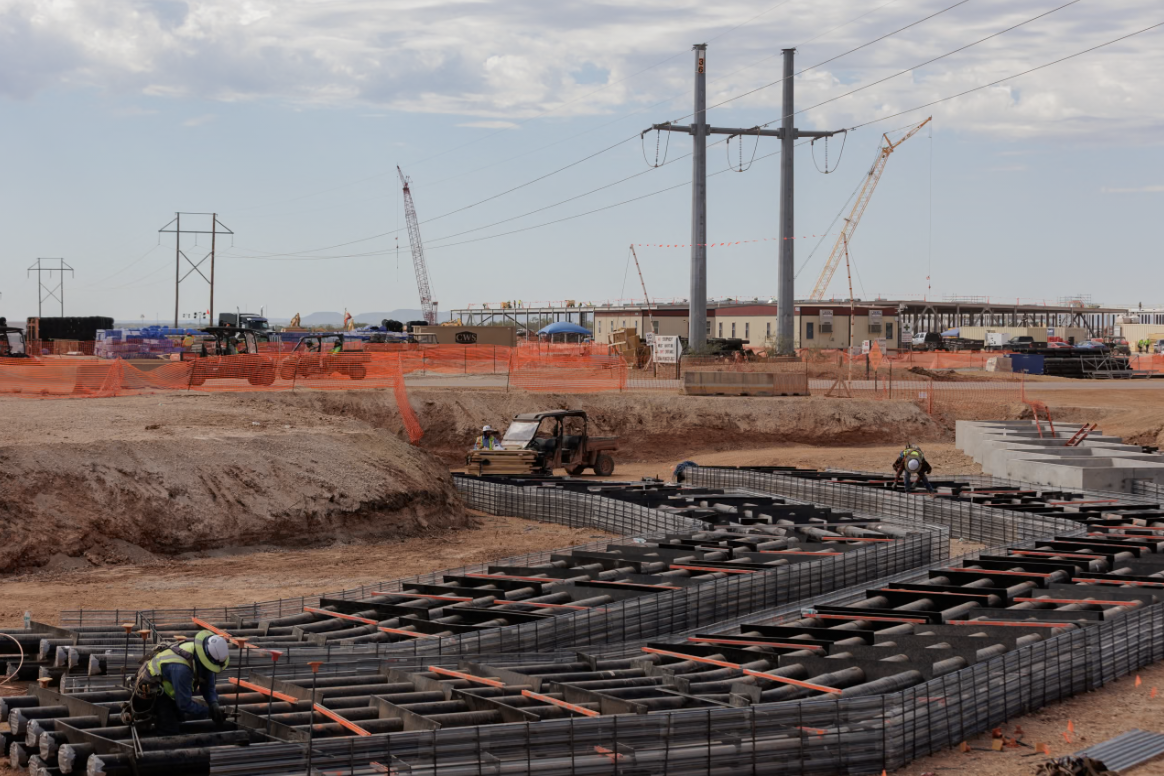
The AI Bubble Is Getting Closer to Popping
En: Think TanksAI’s Economic Ascension and the Bubble Risk AI currently propels major stock market indexes and is deeply woven into economic momentum, attracting high investor expectations and meteoric valuations. However, the…
-

How 2026 Could Decide the Future of Artificial Intelligence
En: Think TanksA Turning Point for AI in 2026 Artificial intelligence is entering a decisive phase defined by governance, widespread deployment, and geopolitical competition. As a result, policymakers must turn broad principles…
-

The Real Economics of AI and Jobs
AI is described as “fundamentally transforming the global job market,” reshaping skills, professions, and wages while generating sharply different predictions, from “mass worker displacement” to a “productivity revival.” Historical comparisons…
-
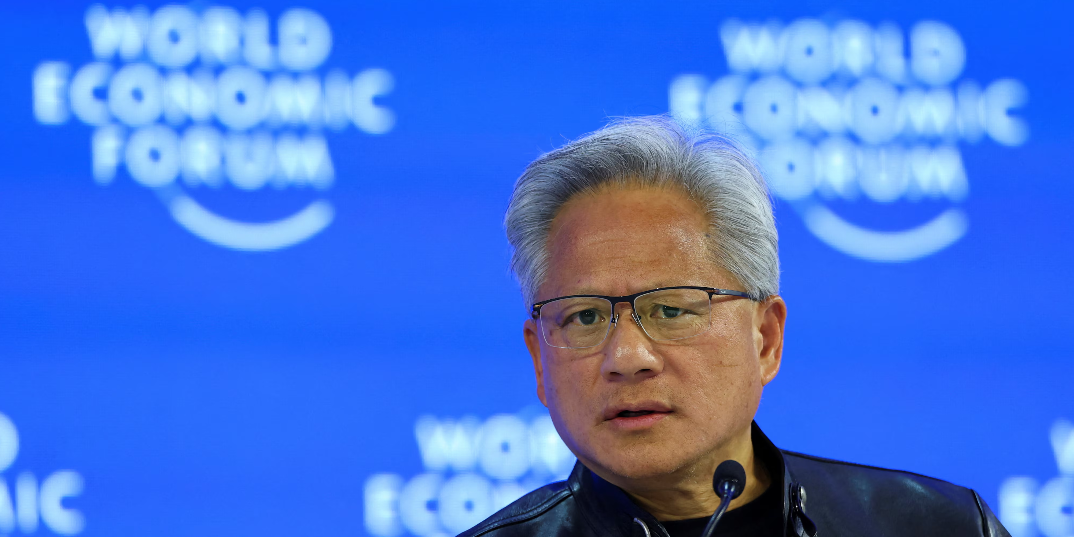
Nvidia CEO Jensen Huang on how AI is becoming the next great infrastructure build
Artificial intelligence is presented as a major technological platform shift comparable to the internet and mobile cloud, but distinct because it can understand and act on unstructured information in real…
-

How can we build intelligent resilience against cyber threats in the age of AI
Artificial intelligence significantly intensifies cyber risk by enabling attacks that are highly automated, adaptive and scalable, such as generative systems that create tailored phishing at speed and drive a sharp…
-

3 messages to young people from leaders at Davos on how to grow up with AI
Growing up in a world shaped by artificial intelligence means navigating powerful tools that can both support and undermine human development, especially for children and young adults. A central concern…
-

The digital harness: How to align accelerating AI with human purpose
Advanced artificial intelligence is reaching a stage where systems can match or even surpass human performance in complex tasks, which intensifies the need to guide its development toward human-centered goals…
-

AI risks from non-state actors
Overview of AI Misuse Risks Advanced AI tools can empower individuals of groups with harmful capabilities once limited to powerful states or specialists. Frontier models now offer expert-level reasoning and…