
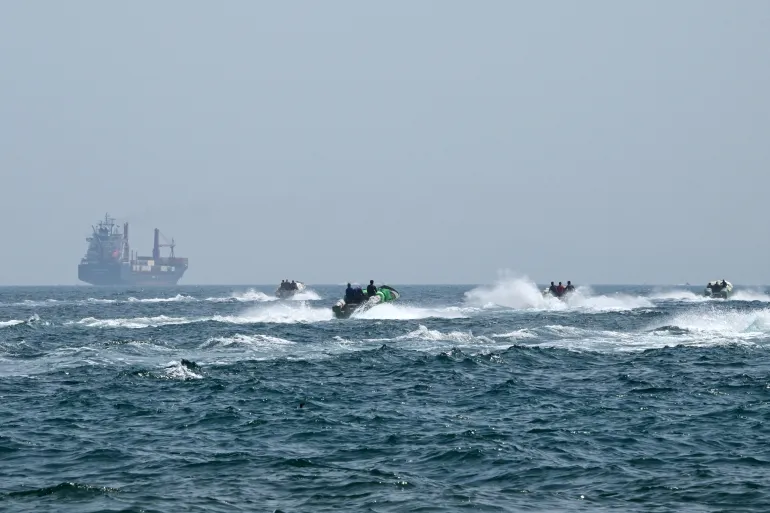
The Transition from Unilateral Strikes to Multilateral Maritime Security
On April 1, 2026, the United Kingdom announced it will host an emergency summit of 35 nations to coordinate the reopening of the Strait of Hormuz. Following weeks of U.S.-led kinetic operations that failed to fully secure the waterway, the British government is shifting the focus toward a “broad-based international maritime coalition.” Consequently, the summit aims to move beyond purely American military command, seeking a legal and operational framework that includes major energy importers from Asia and Europe. This move suggests that the international community recognizes that a “quick win” is impossible and is now preparing for a long-term, multilateral presence to guarantee the flow of 20% of the world’s oil supply.
Origins and the “Energy Starvation” of the Global South
Originally, the conflict in Iran was framed as a targeted mission to dismantle nuclear capabilities. However, the origin of this 35-nation meeting lies in the desperate economic reality of countries like Kenya, Pakistan, and India, which have seen their trade balance collapse due to the maritime blockade. As the “energy starvation” of the Global South threatens to trigger debt defaults and social unrest, the UK has stepped in to provide a diplomatic venue that feels less “polarized” than a Washington-led initiative. Furthermore, the report emphasizes that the London meeting will specifically address the “insurance crisis” for commercial shipping, which has made transit through the Gulf of Oman practically impossible for non-military vessels.
Structure of the “Hormuz Protection Force” and Diplomatic Friction
The structure of the proposed coalition is organized around a “tiered participation” model, where some nations provide naval escorts while others contribute financial backing or logistical support in regional ports. Specifically, the UK is pushing for a “neutral flag” protection scheme to de-escalate tensions with the remaining Iranian coastal defense units. Moreover, the article highlights the “strategic friction” with China; while invited, Beijing has expressed reservations about joining a coalition that could be seen as an extension of Western hegemony. This creates an environment where the summit’s success depends on whether the UK can convince non-aligned powers that the “Freedom of Navigation” is a universal necessity, regardless of their stance on the war in Iran.
Synthesis of Collective Security and the “Post-American” Middle East
The successful reopening of the Strait now faces a paradox where the military force required to clear the mines and patrol the waters might actually provoke further asymmetric attacks from IRGC remnants. This objective is essential to understand because it signals a potential shift toward a “Post-American” security architecture in the Middle East, where regional stability is managed by a collective of stakeholders rather than a single superpower. Simultaneously, there is a clear intent among the 35 nations to establish a “Humanitarian Energy Corridor” to prioritize shipments to developing nations. Ultimately, the Al Jazeera report provides a stable warning: if the London summit fails to produce a unified command, the Strait of Hormuz could remain a “dead zone” for global trade for the remainder of 2026.
Reference
Al Jazeera. (2026, April 1). UK to host meeting of 35 countries on reopening Strait of Hormuz. Al Jazeera News. https://www.aljazeera.com/news/2026/4/1/uk-to-host-meeting-of-35-countries-on-reopening-strait-of-hormuz