
Leaders Seek Stability Without a Grand Bargain
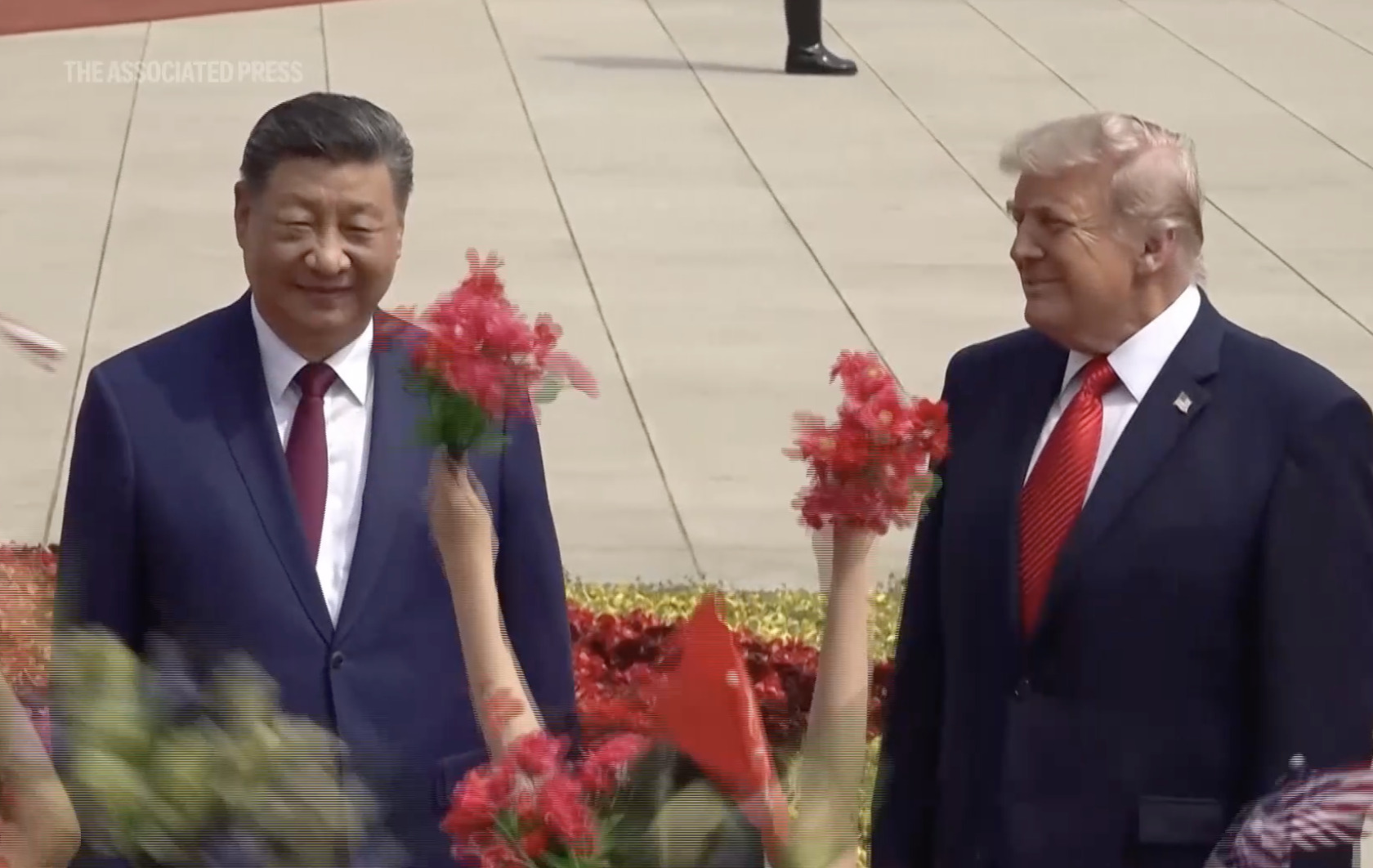
President Donald Trump is hosting Chinese leader Xi Jinping in Washington while competition between the United States and China continues to intensify. Neither side expects a major breakthrough, but their third meeting since Trump returned to the White House is intended to steady a relationship strained by artificial intelligence, trade, Iran, and Taiwan.
Xi’s first visit to Washington in a decade follows the two countries’ retreat from the extremely high tariffs exchanged during last year’s trade war. Even so, both governments remain focused on gaining economic, technological, and geopolitical advantages. Analysts describe the emerging relationship as a form of overall stability driven by competition rather than trust.
Artificial Intelligence Becomes a Central Rivalry
The race to develop advanced AI has become a major source of tension. Trump argues that American leadership in the field must not be slowed, while Chinese security officials view foreign technological superiority as a potential threat to Communist Party rule. Neither government has shown much interest in reducing the pace of development despite warnings about the risks of uncontrolled systems.
Washington restricts exports of powerful AI chips and accuses Chinese developers of extracting capabilities from American models through a practice known as distillation. Beijing rejects the criticism, opposes U.S.-led technology alliances that exclude China, and is seeking support from developing countries for its own global AI safeguards. A proposed notification mechanism for AI incidents affecting national security nevertheless offers a limited opportunity for cooperation.
Trade Iran and Taiwan Test the Relationship
Broad tariff escalation has given way to targeted measures. The United States has restricted Chinese telecommunications equipment, surveillance products, advanced robots, and drones, while also blocking major Chinese companies from defense contracts. China has answered with export controls and sanctions against several U.S. businesses. New American tariffs could still revive broader economic tensions if rates rise significantly.
Foreign policy disputes add further pressure. Beijing insists on maintaining trade with Iran despite Washington’s campaign to isolate Tehran, and China’s alternative payment channels have reduced U.S. leverage. Taiwan remains another sensitive issue after Trump paused a major weapons package following his May visit to Beijing. The summit therefore seeks practical stability while leaving the countries’ deepest strategic disagreements unresolved.
References
Tang, D., & Castillo, E. E. (2026, September 22). Trump and Xi see tensions flare over AI, trade and Iran but still seek stability. AP News. https://apnews.com/article/trump-xi-summit-tensions-ai-competition-e560910c897fedb0448eda4cdbfdbaea