
President Trump abruptly reversed course on Thursday, pulling back from aggressive threats to launch new military strikes and seize Iran’s oil infrastructure, insisting instead that the United States is nearing a historic peace deal with Tehran. Trump claimed that Iranian Supreme Leader Mojtaba Khamenei has signed off on a plan that could be completed in the coming days, officially ending the tumultuous three-month conflict. However, Iranian officials quickly pushed back; Foreign Ministry spokesman Esmail Baghaei stated that Tehran has not reached a “final conclusion” regarding the agreement and will make an announcement only when negotiations are completely finalized.
Diplomatic Progress and Financial Hurdles
A major sticking point in the ongoing negotiations has been Iran’s demand for immediate access to tens of billions of dollars frozen by U.S. sanctions, which Tehran views as necessary to relieve its deeply damaged economy. Recently, differences between the two nations appear to be narrowing. A mediation delegation from Qatar recently returned from Tehran with new language to be incorporated into the draft, sparking optimism that a memorandum of understanding is imminent.
Trump indicated that the documents are in “pretty final shape” and noted that Vice President JD Vance could travel to Europe as soon as this weekend to attend a formal signing ceremony. Once the deal is signed, Trump assured that the strategic Strait of Hormuz will officially reopen to global trade. Until the transaction is finalized, however, the U.S. naval blockade of Iranian ports will remain fully in effect.
Recent Escalations and Military Standoffs
This sudden diplomatic breakthrough comes after a highly volatile week that threatened to shatter the fragile April ceasefire and spiral into a full-fledged war. After an Iranian drone downed a U.S. Apache helicopter near the Strait of Hormuz on Monday, U.S. military forces carried out multiple waves of airstrikes targeting Iranian air defenses and radar sites. Iran retaliated by striking U.S. military facilities in Bahrain, Kuwait, and Jordan.
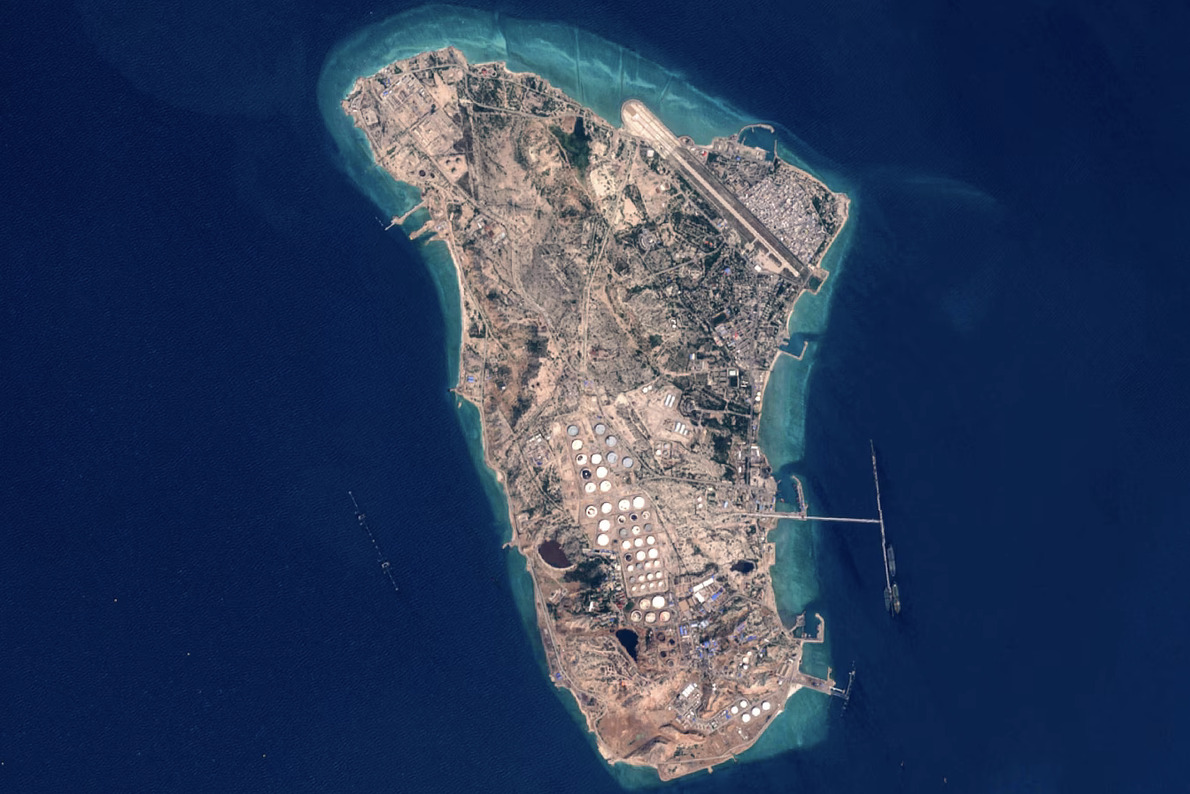
Early Thursday, Trump had threatened to send the military to seize Kharg Island—which handles roughly 90% of Iran’s oil exports—and assume total control of their oil and gas markets. Military planners considered such an amphibious operation extraordinarily complex and risky, despite thousands of U.S. Marines being stationed nearby aboard warships. Hours later, after reportedly receiving word that Tehran had come closer to meeting his strict nuclear demands, Trump called off the attack to give diplomacy a final chance.
Domestic Political Pressures
As the administration moves closer to a final agreement, Trump faces intense pressure from Republican hawks in Congress. Lawmakers are actively urging the president not to accept any deal that appears too soft on Iran or resembles the 2015 Joint Comprehensive Plan of Action (JCPOA), which Trump famously withdrew from during his first term.
Senator Lindsey Graham, a vocal ally of the president, publicly expressed hope that the new diplomatic solution would meet Trump’s strict “red lines” and be fundamentally different from the Obama-era pact. Graham also issued a stark reminder that any new agreement related to Iran’s nuclear program must be presented to Congress for thorough review and approval.
Reference
Norman, L., Said, S., & Faucon, B. (2026, junio 11). Trump cancels Iran strikes, says Tehran has “approved” peace talks. The Wall Street Journal. https://www.wsj.com/world/middle-east/trump-iran-strikes-peace-talks-38996e77