
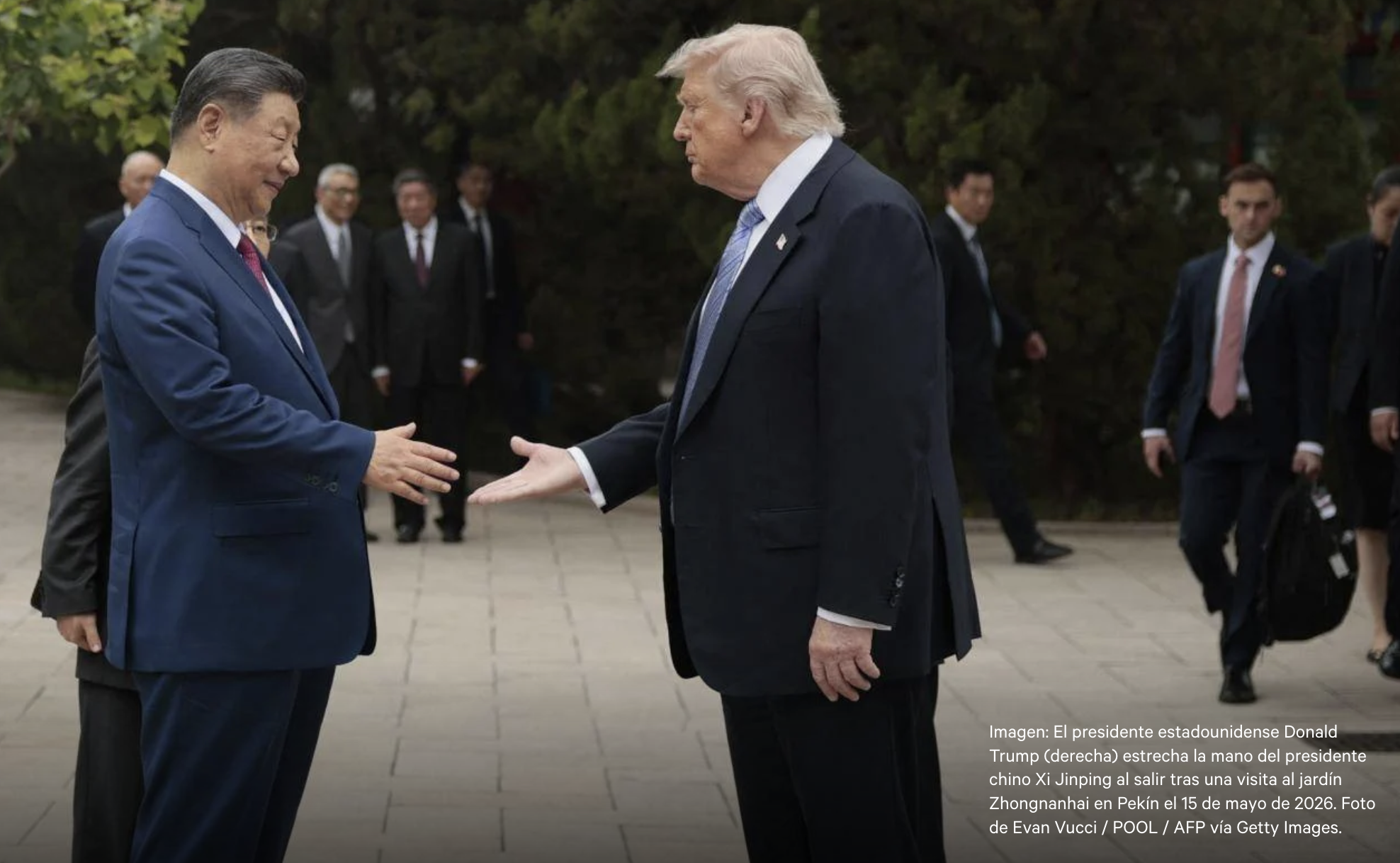
High-stakes discussions during the Trump Xi summit US China relations meeting in Washington center on extending global trade truces and managing emerging technology risks. US President Donald Trump and Chinese President Xi Jinping convene to address critical economic friction points, including Chinese rare earth export controls and American semiconductor restrictions.
Specifically, bilateral negotiations evaluate Beijing’s demands to halt a 14 billion dollar US arms package to Taiwan alongside Iranian oil purchases. Because both superpowers face internal economic and political pressures, policy analysts warn against underestimating respective strategic capabilities. Consequently, global markets monitor whether diplomats establish a stable modus vivendi.
Chinese Industrial Strength and Innovation Dynamics
China’s economic vulnerabilities, including real estate contraction and local government debt, do not translate into strategic weakness. For this reason, Beijing maintains dominant industrial capacity across electric vehicles, solar infrastructure, drones, and artificial intelligence models.
In fact, Chinese AI systems match leading American frameworks at significantly lower operational costs despite regulatory tightening. Meanwhile, state-backed capital allocation accelerates research conversion into mass manufacturing across strategic sectors. Therefore, American policy advisors advocate sustained domestic innovation programs to preserve technological leadership.
US Fiscal Challenges and Transatlantic Security Assets
American political polarization and rising sovereign debt obligations present complex policy constraints during international negotiations. Indeed, US national debt exceeding 40 trillion dollars increases borrowing costs while military commitments remain high across Asia and Europe.
Furthermore, Washington preserves unmatched global military power, deep regional alliances, and core foreign policy commitments to Western Pacific security. While trade disputes complicate bilateral diplomacy, both leaderships recognize the necessity of preventing open military conflict. As a result, international observers analyze how executive agreements influence global supply chain stability.
Reference
Chatham House. (2026, September 17). Trump-Xi summit: Why US and China should not underestimate each other. Chatham House – International Affairs Think Tank. https://www.chathamhouse.org/2026/09/trump-xi-summit-why-us-and-china-should-not-underestimate-each-other