
Managing Regional Disorder
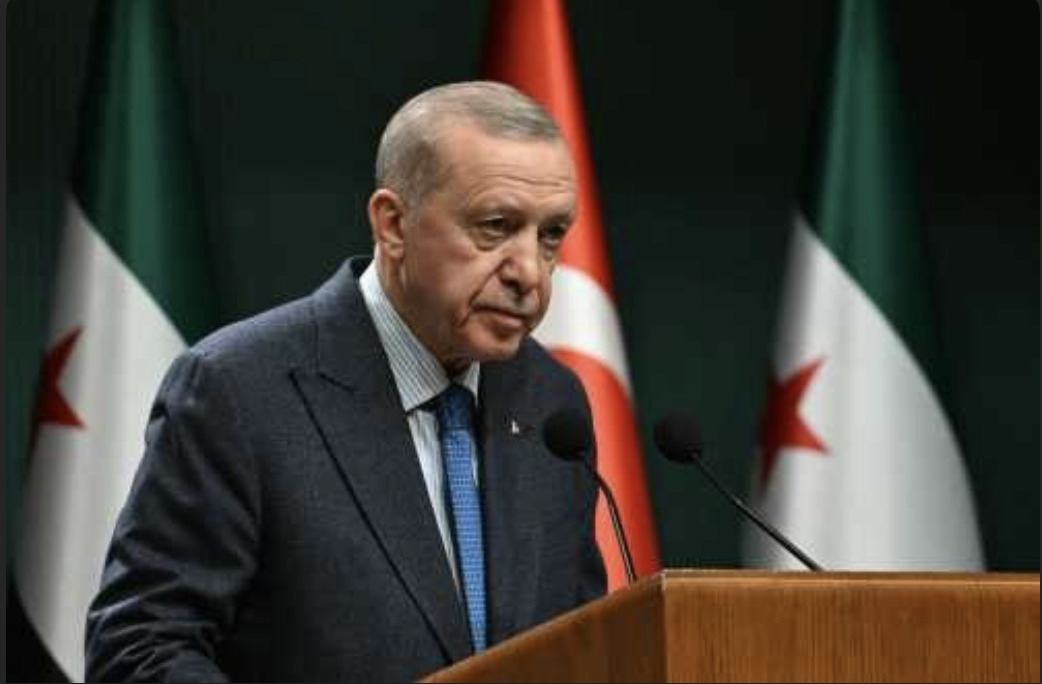
Turkey is rapidly reemerging as a central actor in the Middle East, although not as the neo-Ottoman empire its domestic rhetoric often suggests. Surrounded by wars and regional fault lines, Ankara is actively trying to manage disorder rather than entirely dominate it. Consequently, Turkish leadership cadres are far more restrained and realistic in their foreign policy than their public messaging implies. Today, they are primarily focused on staving off perceived threats, securing their borders, and building political and economic influence in a highly volatile neighborhood.
The U.S. Reset and Strategic Rivalries
The second Trump administration has successfully opened space for a bilateral reset, granting Ankara significant leverage on crucial files like Syria. Nevertheless, Washington’s inherent political volatility makes long-term strategic planning difficult for Turkish officials. Furthermore, the recent Iran war exposed the limits of Turkey’s strategic autonomy, ultimately reminding Ankara of its deep reliance on NATO air defenses. Simultaneously, Turkey’s escalating rivalry with Israel has become a severe structural constraint, directly impacting strategic operations in Syria and energy partnerships in the Eastern Mediterranean.
Defense Diplomacy and Economic Constraints
To counter these regional pressures, Ankara is actively attempting to build a broader coalition of capable states to hedge against external military dominance. Additionally, Turkey is leveraging its scalable defense industry and connectivity agenda to establish flexible security partnerships from Libya to Somalia. However, the country’s ongoing economic fragility, persistent inflation, and domestic governance issues severely limit its capacity to fully capitalize on regional reconstruction opportunities or establish true strategic autonomy.
Strategic Implications for Washington
For the United States, Turkey is neither a perfect democratic model nor a complete spoiler; rather, it is a highly consequential middle power. Therefore, analysts suggest that U.S. policy should actively anchor Turkey within NATO and manage the escalating Turkish-Israeli rivalry before it turns kinetic. By focusing on issue-specific cooperation regarding Syrian stabilization, regional connectivity, and energy security, Washington can effectively protect its interests while reducing its own heavy military involvement in the Middle East.
Reference
Aydıntaşbaş, A. (2026, 16 junio). Turkey’s search for a Middle East order. Brookings. https://www.brookings.edu/articles/turkeys-search-for-a-middle-east-order/?utm_campaign=Center%20on%20the%20United%20States%20and%20Europe&utm_medium=email&utm_content=426499543&utm_source=hs_email