
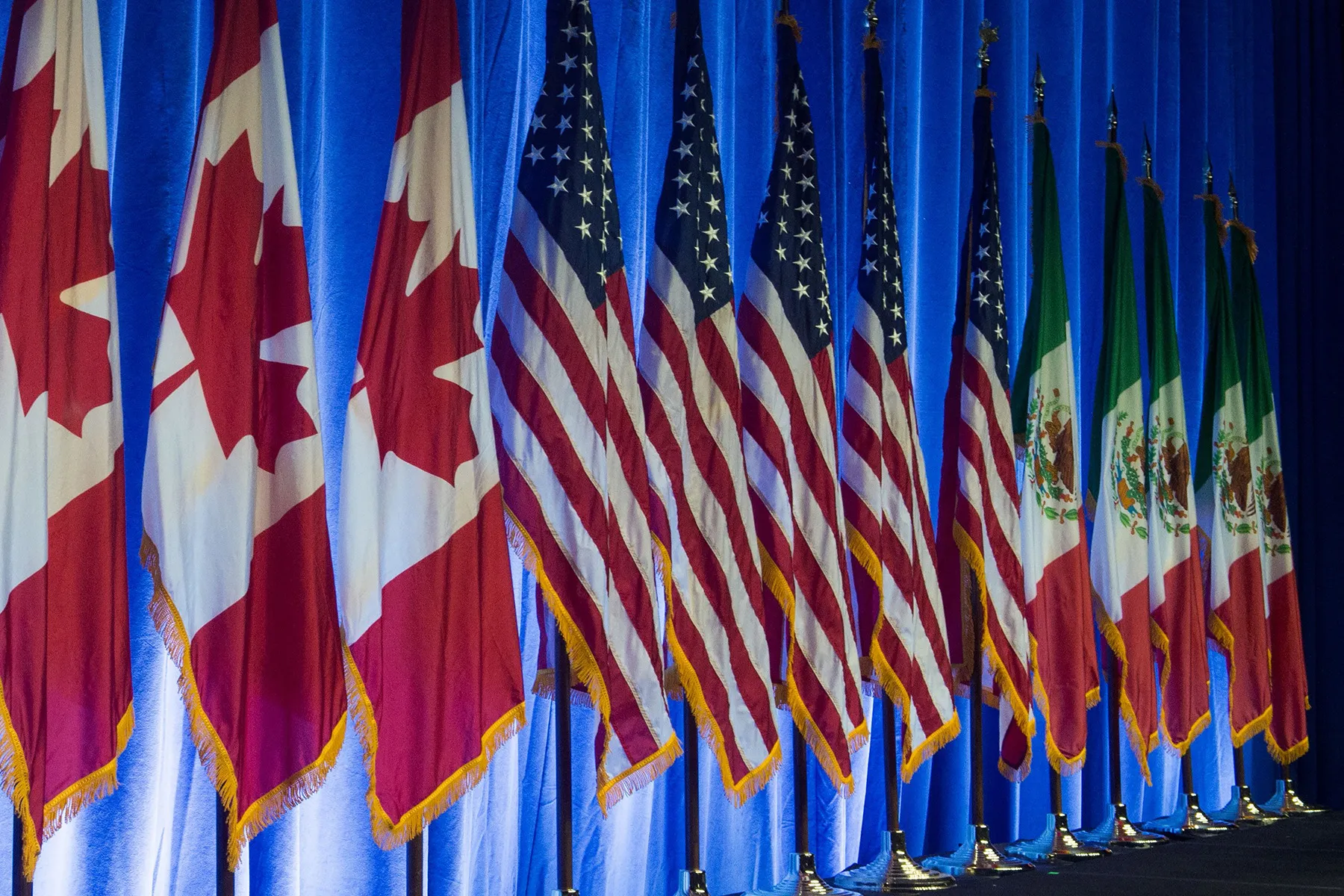
The USMCA review mechanism represents one of the most important innovations in the United States-Mexico-Canada Agreement. Unlike NAFTA, USMCA requires a formal review every six years. This process allows the three member countries to evaluate the agreement and consider possible improvements. As a result, the mechanism creates opportunities to strengthen regional economic cooperation while addressing new trade challenges.
Why the USMCA Review Mechanism Matters
The Brookings article explains that the first use of the USMCA review mechanism provides valuable lessons for future reviews. First, it demonstrates that structured evaluations can improve transparency and encourage dialogue among governments. Moreover, the process gives policymakers the chance to identify weaknesses before they become major trade disputes.
The article also argues that regular reviews increase confidence in the agreement. Instead of waiting for serious conflicts to emerge, member countries can discuss concerns through an established framework. Consequently, the mechanism supports greater stability for businesses and investors across North America.
Key Lessons from the First Review
According to Brookings, one important lesson is that preparation is essential. Governments should begin consultations with businesses, labor organizations, and civil society well before the review starts. In addition, policymakers should define clear priorities and communicate them effectively.
Another lesson involves cooperation. Although each country has different national interests, successful negotiations depend on maintaining constructive dialogue. The article suggests that collaboration produces better outcomes than confrontation. Therefore, the review process should remain focused on strengthening the agreement instead of creating unnecessary uncertainty.
Challenges for North American Trade
The article recognizes that the USMCA review mechanism operates in a complex environment. Trade tensions, supply chain disruptions, and geopolitical competition continue to affect North America. At the same time, technological innovation and changing labor standards require constant policy adjustments.
Furthermore, political differences among the three governments may complicate future negotiations. Even so, the review mechanism offers a structured process for resolving disagreements while preserving economic integration. This approach helps maintain confidence in regional trade relationships.
Overall, the Brookings article presents the USMCA review mechanism as an essential tool for modern trade governance. In conclusion, the first review demonstrates that regular evaluations can improve cooperation, strengthen legal certainty, and increase the agreement’s long-term effectiveness. If governments continue to prioritize transparency and collaboration, the review mechanism will remain a valuable instrument for promoting a more competitive and resilient North American economy.
Reference
Brookings Institution. (2026). USMCA review reviewed: Lessons from the first use of USMCA’s review mechanism. https://www.brookings.edu/articles/usmca-review-reviewed-lessons-from-the-first-use-of-usmcas-review-mechanism/