
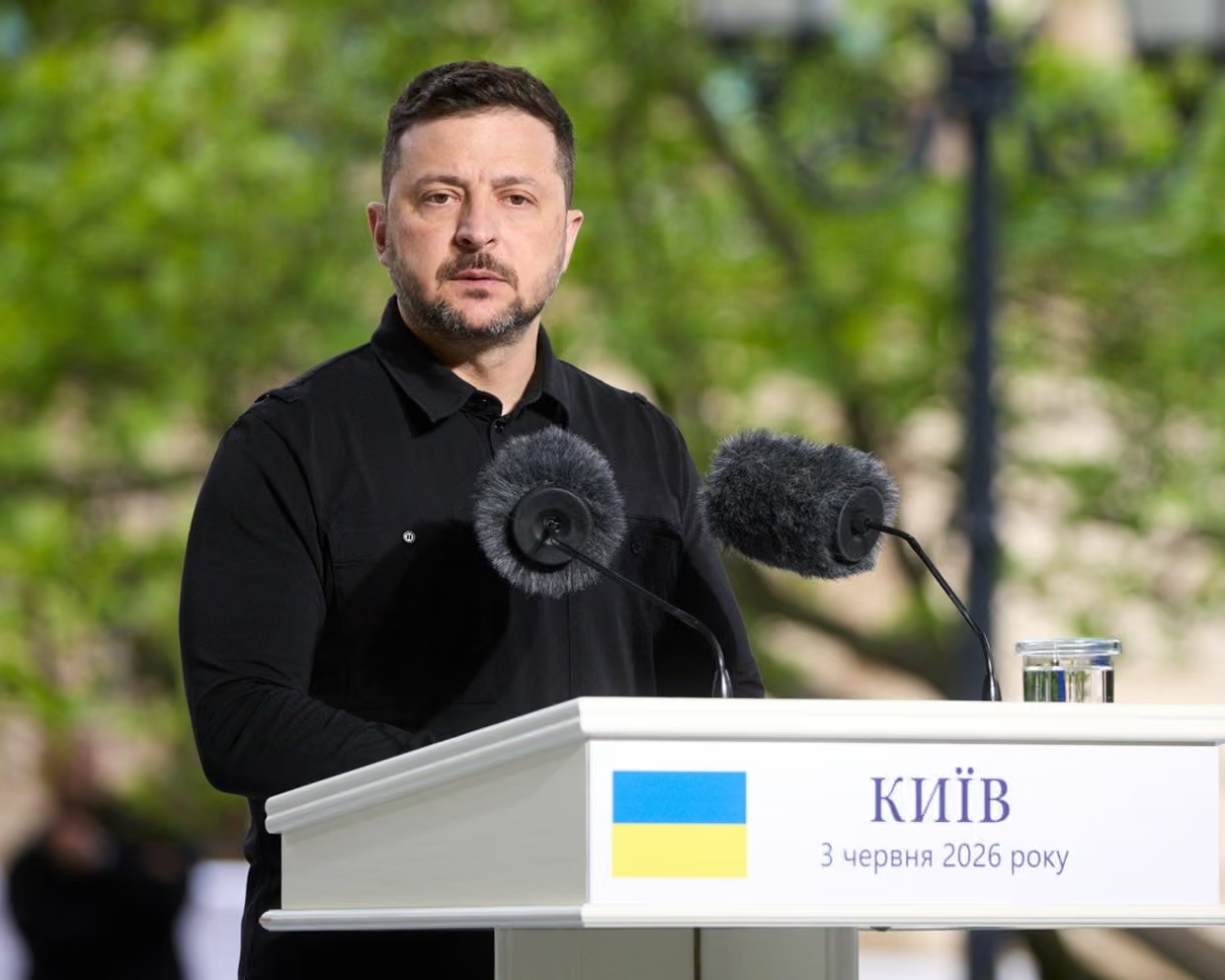
More than four years after Russia’s full-scale invasion of Ukraine, President Volodymyr Zelenskyy has made a rare direct appeal to Vladimir Putin, proposing a face-to-face meeting aimed at exploring a path toward ending the war. The proposal came in the form of a public letter that combined an invitation to negotiate with a sharp critique of Russia’s conduct throughout the conflict.
The initiative reflects a changing moment in the war. Although fighting continues and Russia maintains pressure through missile and drone attacks, Ukraine has demonstrated an increasing ability to strike targets deep inside Russian territory. These operations have challenged perceptions of Russian military security and exposed vulnerabilities far from the front lines. At the same time, both countries continue to face the human and economic costs of a prolonged conflict with no clear resolution in sight.
Zelenskyy argued that negotiations should take place in a neutral country rather than in either Kyiv or Moscow. He suggested locations such as Switzerland, Turkey, or Arab states and proposed a full ceasefire for the duration of the talks. He also called for a comprehensive prisoner exchange and the return of Ukrainian civilians and children transferred during the war. These measures were presented as practical steps that could help build confidence and create conditions for a broader settlement.
A central theme of the proposal is the growing burden that the war has imposed on both societies. Zelenskyy pointed to mounting casualties, economic difficulties, inflation, fuel shortages, and the increasing demands of military mobilization. His message suggested that the costs of continuing the conflict are becoming harder to sustain and that delaying negotiations could deepen instability across the region.
The appeal also reflects concerns about the international environment surrounding the war. Zelenskyy acknowledged that global attention has become increasingly divided as other crises compete for diplomatic and political focus. Rather than waiting for renewed international engagement, he argued that direct dialogue should begin immediately. This position highlights a broader concern that prolonged wars can become normalized over time, reducing the urgency of efforts to end them despite their continuing human consequences.
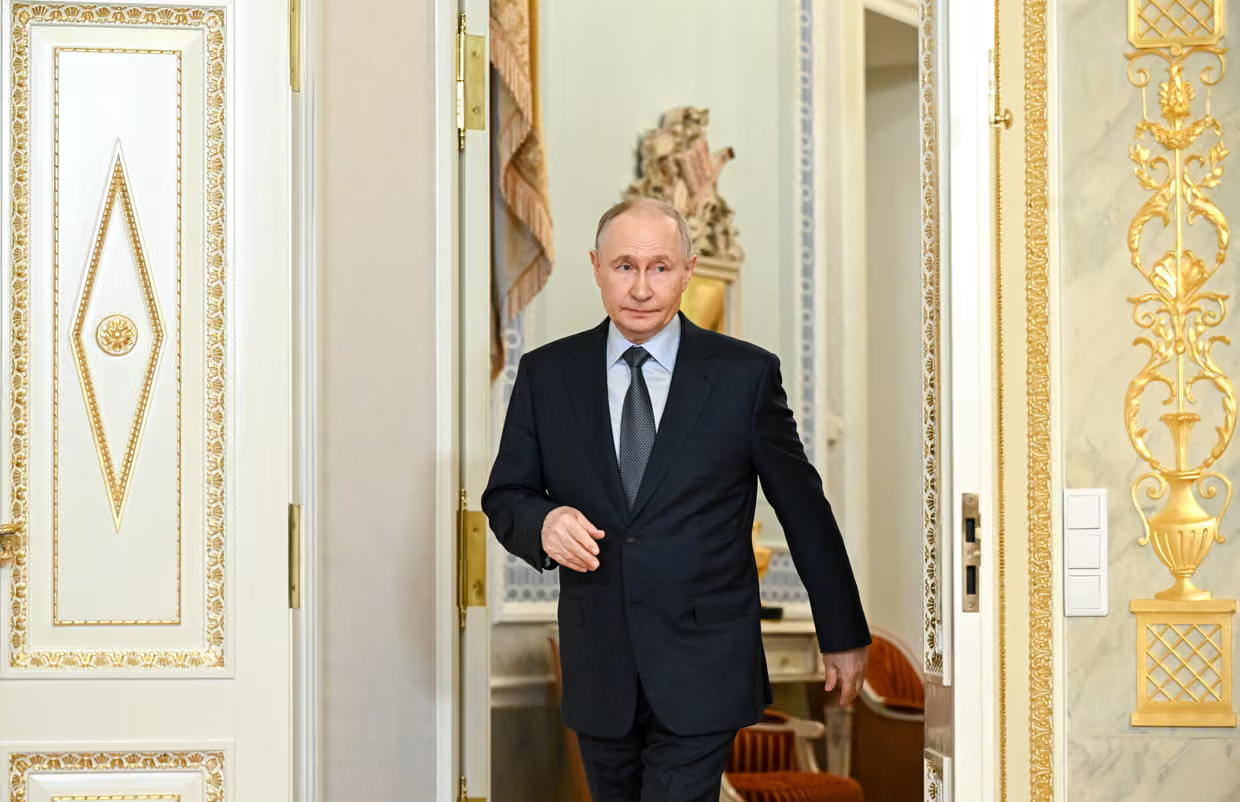
Russia’s response has been cautious and largely dismissive. Putin reiterated that any agreement would need to be based on conditions previously discussed with international partners and emphasized that compromises would be required. He also signaled that Russia intends to strengthen its defenses against Ukrainian drone attacks, suggesting that military considerations continue to shape Moscow’s approach to the conflict.
The proposal highlights a persistent tension that has defined the war for years. Both sides continue to seek advantages on the battlefield while simultaneously facing pressure to demonstrate openness to diplomacy. Efforts to negotiate are complicated by deep mistrust, competing territorial claims and fundamentally different visions of what a just settlement would entail. As a result, even proposals aimed at opening dialogue quickly become entangled in broader questions of legitimacy, security and political accountability.
Whether the initiative leads to substantive negotiations remains uncertain. Nevertheless, it underscores the growing recognition that military operations alone have not produced a decisive outcome. The war continues to generate immense human suffering, economic strain, and geopolitical instability. Against this backdrop, the call for direct talks reflects both the persistence of diplomatic possibilities and the difficulty of transforming them into lasting peace.
Reference: Associated Press. (2026, June 4). Zelenskyy calls for face-to-face negotiations in letter to Putin. The Guardian. https://www.theguardian.com/world/2026/jun/04/zelenskyy-calls-for-face-to-face-negotiations-letter-putin-ukraine-russia-trump