
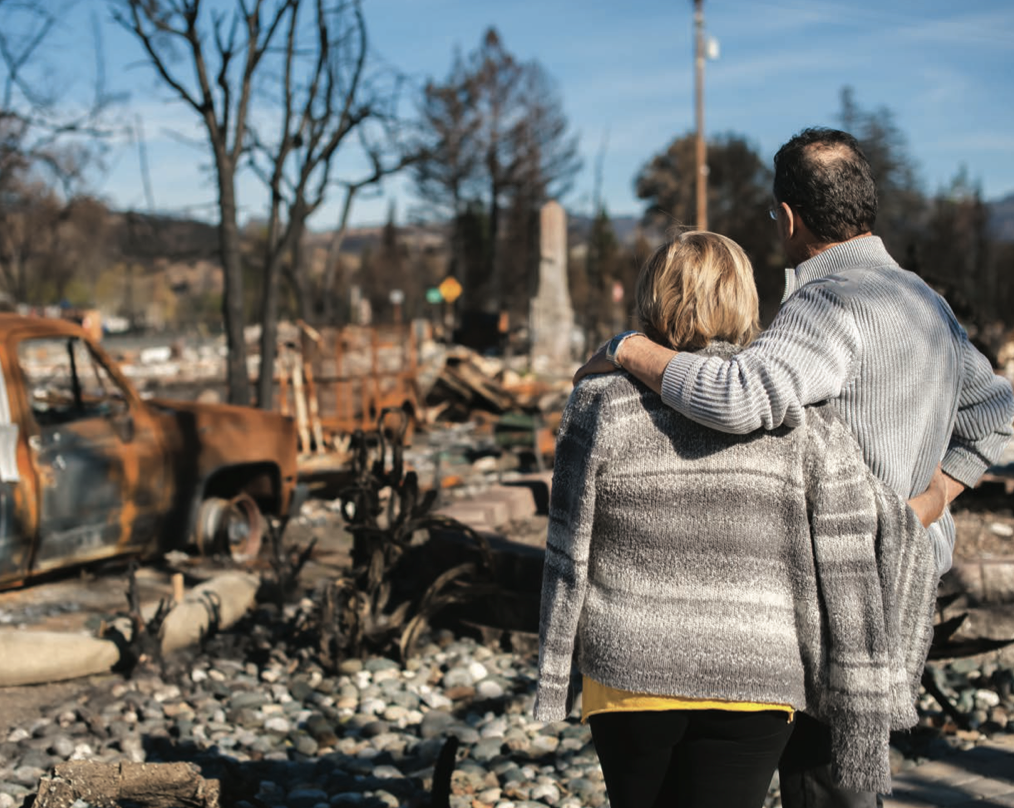
Exposure to Catastrophic Risks
Initially, individuals, households, and businesses face diverse environmental, technological, and economic risks that can generate severe financial losses when materialized.
Role of Insurance in Financial Protection
Moreover, insurance provides essential financial security, enabling recovery, stabilizing economic activity, and reducing vulnerability after catastrophic events.
Limits of Private Insurance Markets
However, private insurance markets often struggle to cover infrequent but severe risks, including natural disasters, cyber incidents, and pandemics, due to correlated and large-scale losses.
Need for Government Intervention
Therefore, governments must evaluate financial protection gaps and intervene when unprotected exposures threaten economic stability, social welfare, or access to credit.
Framework for Government Action
Subsequently, an analytical framework guides decision-making by identifying high-impact risks, assessing insurance adequacy, and determining the necessity of public support mechanisms.
Assessment of Financial Protection Gaps
In addition, governments must examine availability, affordability, and insurance uptake to detect vulnerabilities and understand the drivers of insufficient financial protection.
Determinants of Government Support
Consequently, intervention becomes more justified when risks are frequent, severe, widespread, and capable of disrupting economic activity or harming vulnerable populations.
Policy Approaches to Financial Protection
Next, governments can implement public-private insurance programmes or public compensation systems, each differing in funding, certainty, flexibility, and private sector involvement.
Public-Private Insurance Programmes
Specifically, these programmes are more effective for frequent risks, ensuring predictable funding, faster payouts, and incentives for risk management and reduction.
Public Compensation and Assistance
Alternatively, public assistance mechanisms suit rare and uncertain risks, allowing flexible responses and targeted support based on evolving needs and impacts.
Natural Hazards, Cyber, and Health Risks
Furthermore, natural hazards, cyber incidents, and infectious diseases produce widespread financial impacts, yet often lack adequate insurance coverage, creating systemic vulnerabilities.
Gaps in Insurance Coverage
For instance, affordability issues limit natural hazard coverage, cyber insurance suffers from exclusions and low uptake, and pandemic-related business losses remain largely uninsured.
Wildfire Risk Challenges
Meanwhile, wildfire losses have risen sharply due to climate conditions and urban expansion, reducing insurance affordability and availability in high-risk regions.
Solutions for Wildfire Protection
Thus, sustainable solutions require increased investment in risk reduction, risk-based pricing, and improved insurance design to maintain long-term coverage viability.
Flood Risk and Insurance Gaps
Similarly, flood risks are intensifying, while insurance coverage remains low, leaving significant portions of losses uninsured across many countries.
Public-Private Flood Insurance Systems
Consequently, public-private programmes have expanded to improve affordability, increase coverage, and reduce fiscal exposure while supporting adaptation strategies.
Design Trade-offs in Flood Programmes
However, programme design varies, balancing affordability, market participation, fiscal risk, and incentives for risk reduction, leading to different outcomes across countries.
Importance of Risk-Based Pricing
Additionally, risk-based premiums can encourage mitigation efforts, although they may create affordability challenges requiring subsidies or policy adjustments.
Central Role of Risk Reduction
Ultimately, investment in prevention, adaptation, and resilience remains essential to reduce losses, improve insurance sustainability, and strengthen long-term financial protection systems.
Source:
OECD. (2026). Financial protection against catastrophic risks: Floods, fires and other major risks. OECD Publishing. https://doi.org/10.1787/32a3acd7-en