
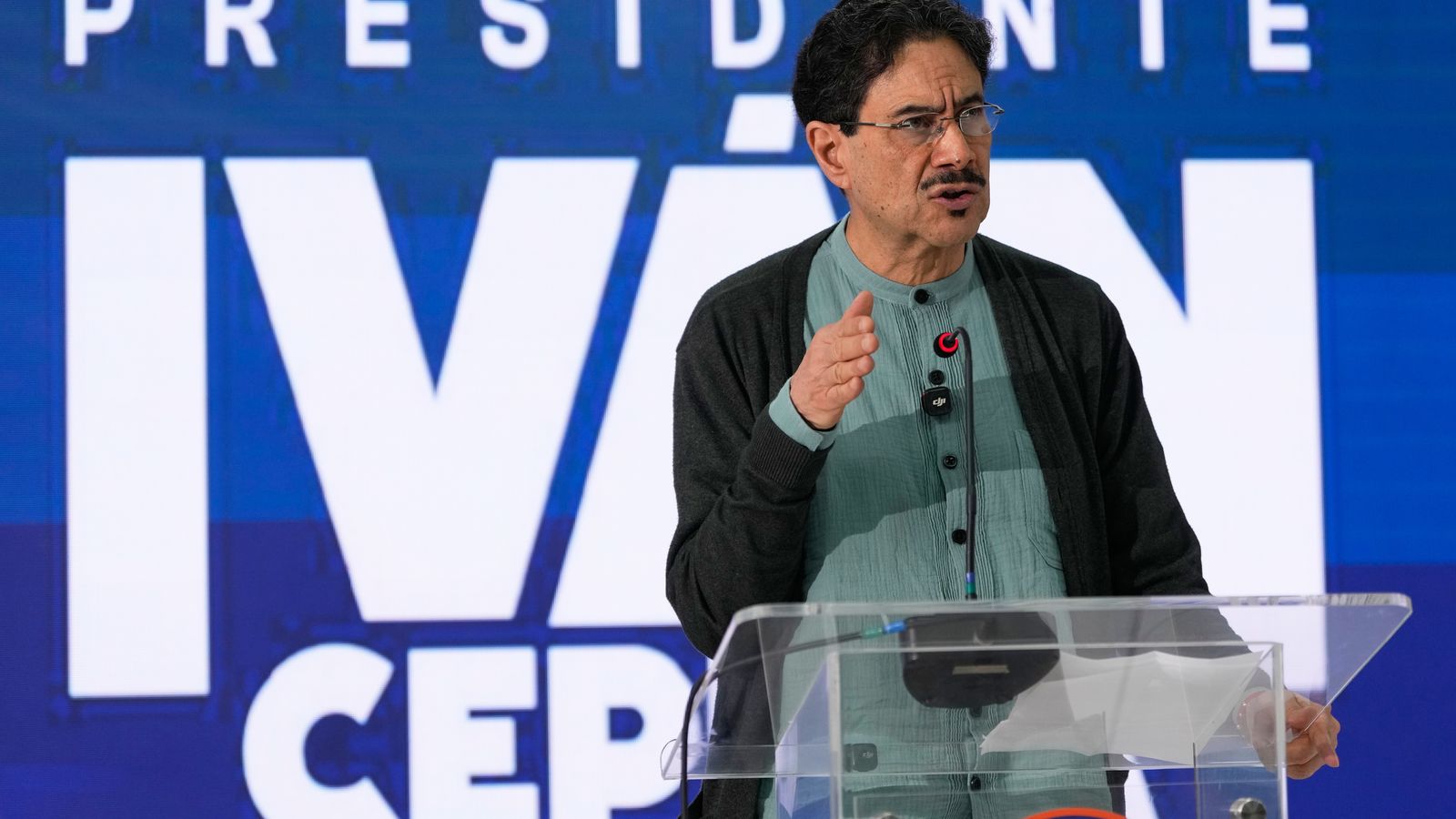
Colombia’s political landscape underwent a definitive shift as electoral authorities officially declared conservative outsider Adelardo de la Espriella the winner of Sunday’s polarizing presidential runoff. Initially, both outgoing President Gustavo Petro and progressive candidate Iván Cepeda refused to accept the tight preliminary results, pushing for a full recount. However, following the completion of the formal vote verification, Cepeda conceded the election with “serenity, responsibility, and absolute resolve”, changing his stance from a challenger of the initial count to the accepted leader of a vigilant process, transferring executive power away from the progressive coalition.
The root of this historic electoral outcome stems directly from widespread voter dissatisfaction and represents a clear indictment of President Gustavo Petro’s outgoing administration. This shifted the political tide because Cepeda had campaigned on continuing Petro’s flagship policies, including the controversial and widely perceived as failed “total peace” plan aimed at negotiating with various armed groups. Fearful of renewed internal conflict, a narrow majority of the electorate chose to reject this continuity; instead, they turned to De la Espriella seeking entirely new solutions to the nation’s security and economic dilemmas.
In order to achieve these goals, De la Espriella’s strategy and upcoming governance model are structured around a rigid framework of new domestic and regional alignments. First, this involves the implementation of a domestic “heavy-handed” security doctrine modeled directly after Salvadoran President Nayib Bukele’s playbook, which includes the construction of mega-prisons to suppress violent crime. Furthermore, his platform relies heavily on external alignment with U.S. conservative politics; as a Trump supporter, Republican Party member, and dual Colombian-U.S. citizen, he earned the explicit endorsement of U.S. President Donald Trump. Ultimately, this leads to a structural geopolitical integration highlighted by his plan to enlist Colombia into the Trump-backed “Shield of the Americas” coalition to aggressively crack down on transnational criminal organizations across Latin America.
Consequently, the razor-thin margin of victory synthesizes a deeply fractured country. This polarization is further underscored by the 426,000 voters who actively chose a no-name ballot option to express absolute disdain for both political extremes. Nevertheless, while President Petro openly alleged fraud and foreign interference, Cepeda’s decision to accept the official results and take up his reserved Senate seat prevents an institutional breakdown and distances him from Petro’s rhetoric. In conclusion, as De la Espriella prepares to take office on August 7, the country enters a new era where regional security alliances are redrawn, and the strength of Colombia’s democratic institutions will be tested against a heavily centralized security agenda.
Reference:
Associated Press. (2026, June 24). Trump-endorsed de la Espriella declared winner of Colombia’s presidential runoff election. AP News. https://apnews.com/article/colombia-election-ivan-cepeda-concedes-de-la-espriella-e0a39ed59a9d432d318e11c1e0735f4e