
El Observatorio Global UDLAP (OGU) es una iniciativa sólida y necesaria para entender la complejidad del sistema internacional actual, especialmente considerando la relevancia estratégica de México en foros como APEC.
El OGU es un recurso valioso para monitorear temas apasionantes como la economía y la política globales y se consolida como un centro de análisis crítico coordinado por el Departamento de Relaciones Internacionales y Ciencia Política de la UDLAP.
El Observatorio cuenta con cuatro pilares fundamentales: APEC/PECC, Organismos Internacionales, Prensa Internacional y Think Tanks.
Pilares del Observatorio
Te invitamos a explorar nuestro repositorio de noticias con los temas más actuales.

APEC / PECC
Esta sección es clave para el seguimiento del Foro de Cooperación Económica Asia-Pacífico, sobre todo ahora que México será sede del Foro en el año 2028. Se enfoca en:
- Seguimiento de políticas públicas regionales que inciden en el crecimiento económico.
- Análisis de comunicados de líderes y ministros.
- Temas de liberalización del comercio e inversión en la región transpacífica.

Organismos Internacionales
Monitorea la actividad de las instituciones que rigen la gobernanza global, tales como:
- Sistema de Naciones Unidas: PNUD, PNUMA, UNICEF, FAO, OIT, entre otros.
- Instituciones Financieras y Comerciales: Seguimiento puntual a la Organización Mundial del Comercio y al Fondo Monetario Internacional (FMI).

Prensa Internacional
Esta sección ofrece una cobertura objetiva y concisa de los acontecimientos a través del monitoreo de los principales diarios internacionales y agencias de noticias en diversas regiones geográficas como América Latina y el Caribe, África, Asia-Pacífico, Europa y Medio Oriente.

Think Tanks
El Observatorio mantiene alianzas con centros de reflexión en México que son referentes en la economía política global, tales como:
- PECC-México (Consejo de Cooperación Económica del Pacífico).
- COMEXI (Consejo Mexicano de Asuntos Internacionales).
- AMEI (Asociación Mexicana de Estudios Internacionales).
El OGU es un excelente espacio para dar seguimiento a las propuestas de políticas públicas orientadas a definir la posición de México ante los cambios en el entorno global. Actúa como un puente con la generación de conocimiento global, reseñando documentos de instituciones de prestigio mundial como:
- América del Norte: Brookings Institution, Carnegie Endowment, CSIS, Council on Foreign Relations (CFR), PIIE, Wilson Center.
- Europa y otros: Chatham House (Reino Unido), Bruegel (Bélgica), SIPRI (Suecia), JIIA (Japón).
Notas a través del mundo
A continuación te presentamos las notas de la Prensa Internacional que acontecen desde una vista geográfica.
África
América del Norte
América Latina y el Caribe
Ártico y Antártico
Asia
Asia – Pacífico
Europa

Global
Medio Oriente
¿Buscas algún acontecimiento?
Lee, analiza y comparte
-
Efforts to Rescue Venezuela Quake Victims Grow More Desperate
The recent twin earthquakes in central-northern Venezuela have caused unprecedented devastation. Consequently, the international community is closely monitoring the ongoing Venezuela earthquake rescue efforts. Specifically, the 7.2 and 7.5 magnitude tremors struck on June 24,…
-
U.S. and Iran to Meet with Mediators in Qatar
Global geopolitics are constantly shifting. Recently, the US-Iran talks in Qatar have captured international attention. Specifically, these negotiations aim to address escalating maritime tensions. Currently, the primary focus is the highly strategic Strait of Hormuz. Consequently, diplomats…
-

How to Use AI to Help Find Civilian Harm
En: Think TanksThe massive volume of real-time digital information emerging from modern conflict zones. Creates an unprecedented challenge for open-source investigators and human rights monitors. Messaging applications, particularly platforms like Telegram, function as continuous data “firehoses”.
-
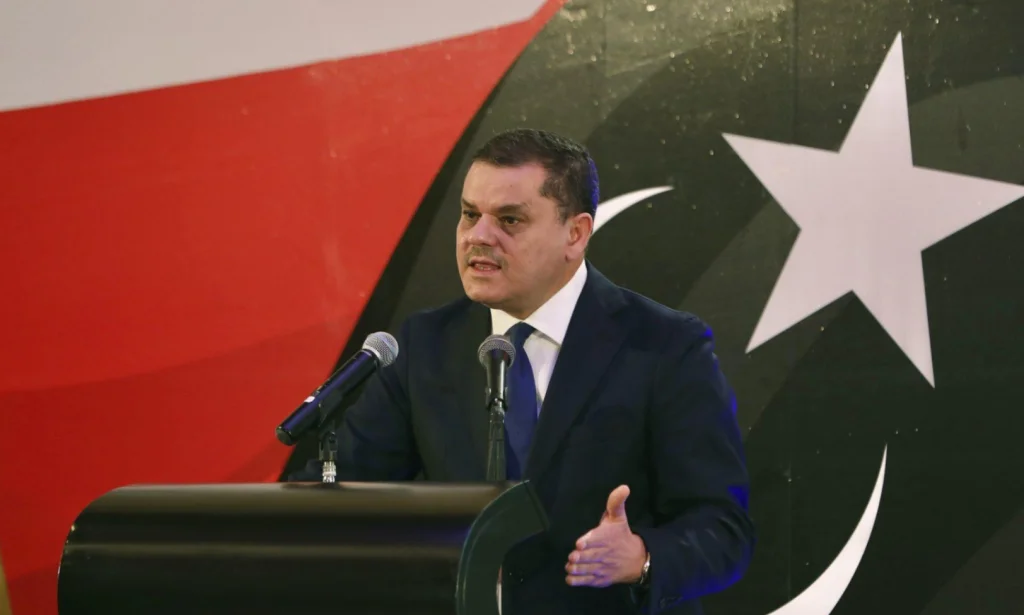
US push for unified Libyan government tests Tripoli factions
A diplomatic and political showdown is unfurling across Libya as a new, United States-backed initiative. That aims to end the country’s long-standing institutional schism and create a unified executive authority. Spearheaded by the US presidential…
-
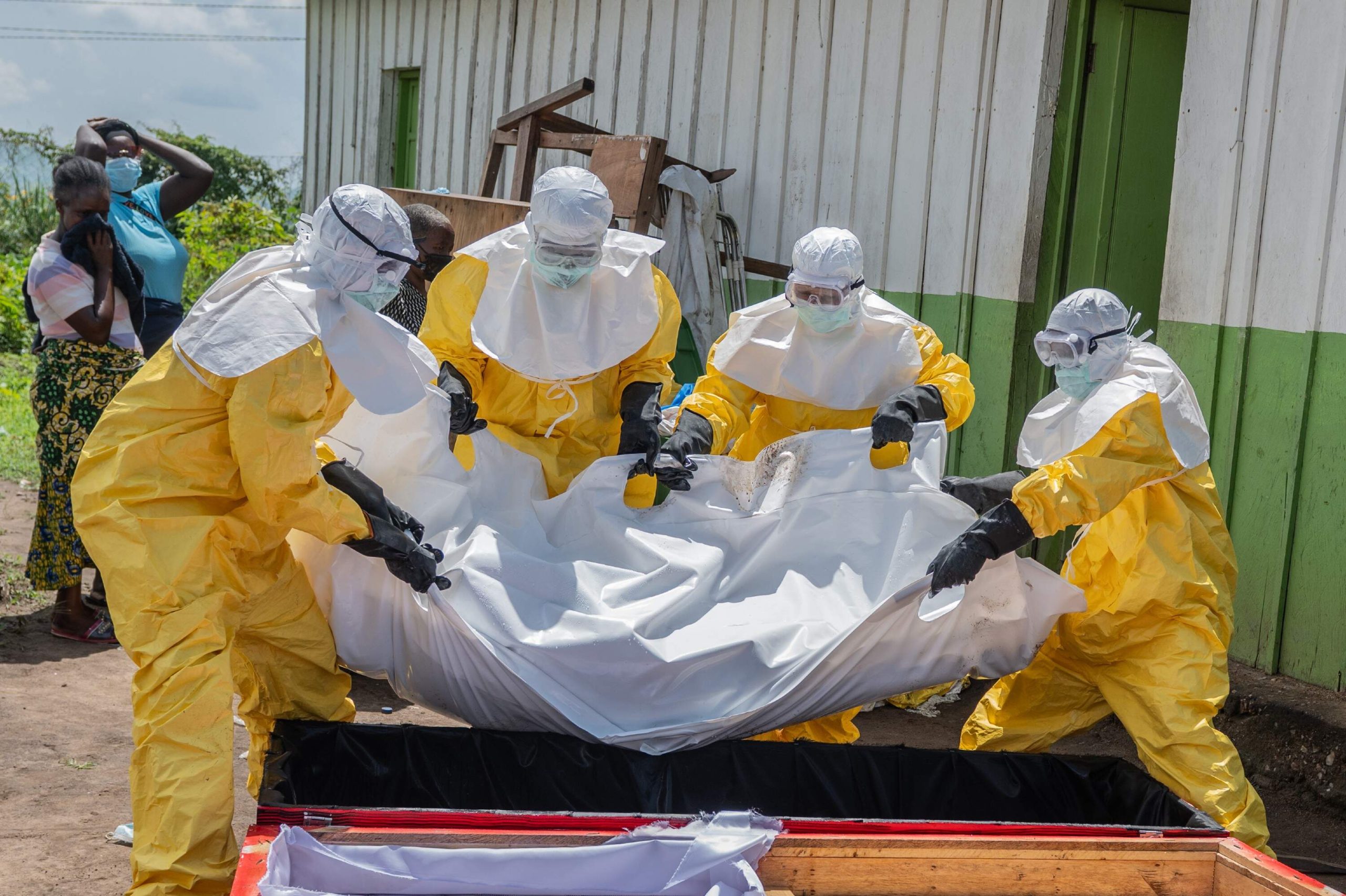
Managing DRC’s Ebola Crisis
A dangerous Ebola outbreak of the unfamiliar Bundibugyo species is unfolding in the eastern Democratic Republic of the Congo (DRC). Heavily impacting the volatile, conflict-ridden provinces of Ituri, North Kivu, and South Kivu, while leaking…
-
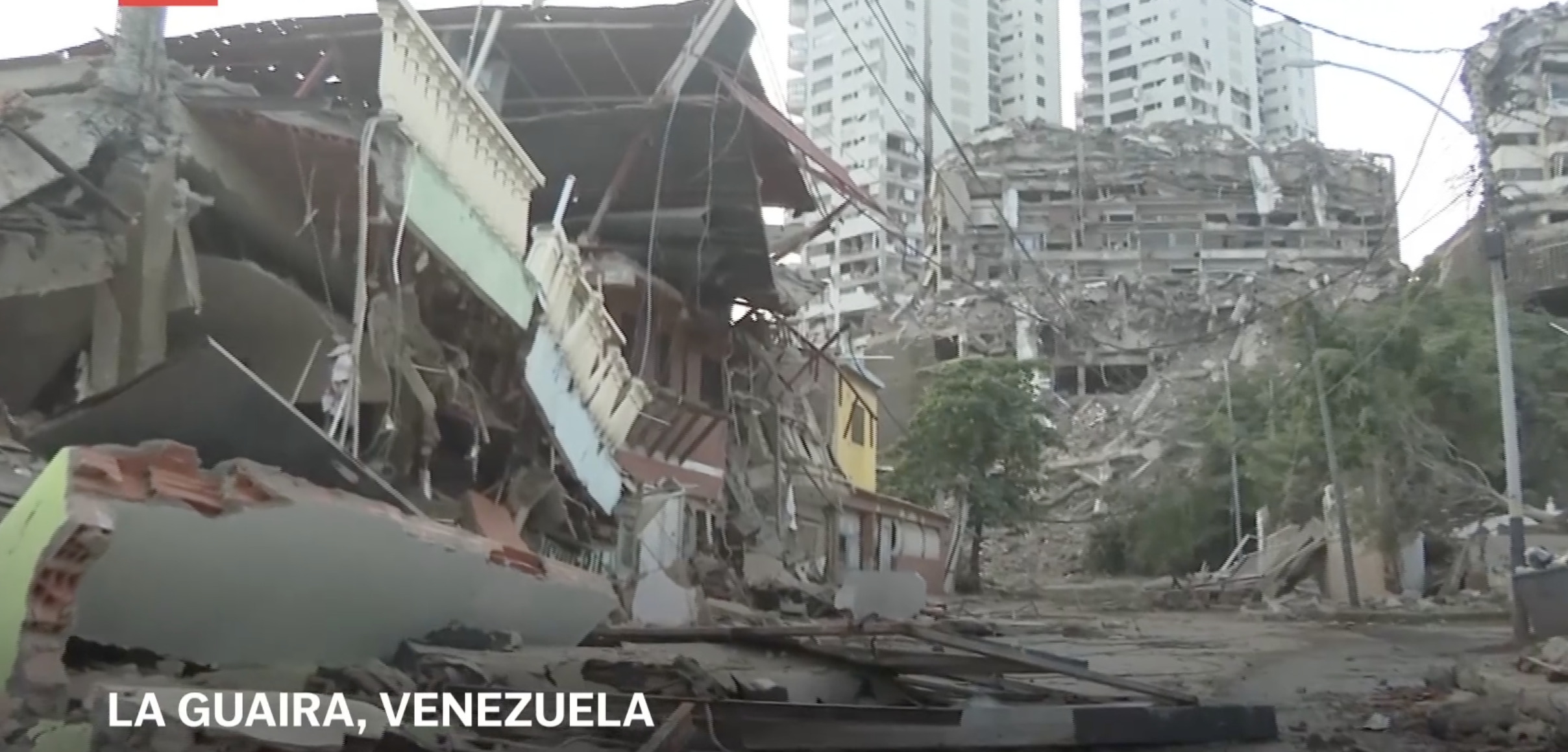
Venezuela Health Minister Says Around 235 People Dead and 4,300 Injured in Catastrophic Earthquakes
Devastation and Rescue Efforts Venezuelans are desperately searching for survivors beneath collapsed buildings after a pair of powerful earthquakes struck the northern areas of the country. According to Health Minister Carlos Alvarado, the catastrophic event…
-
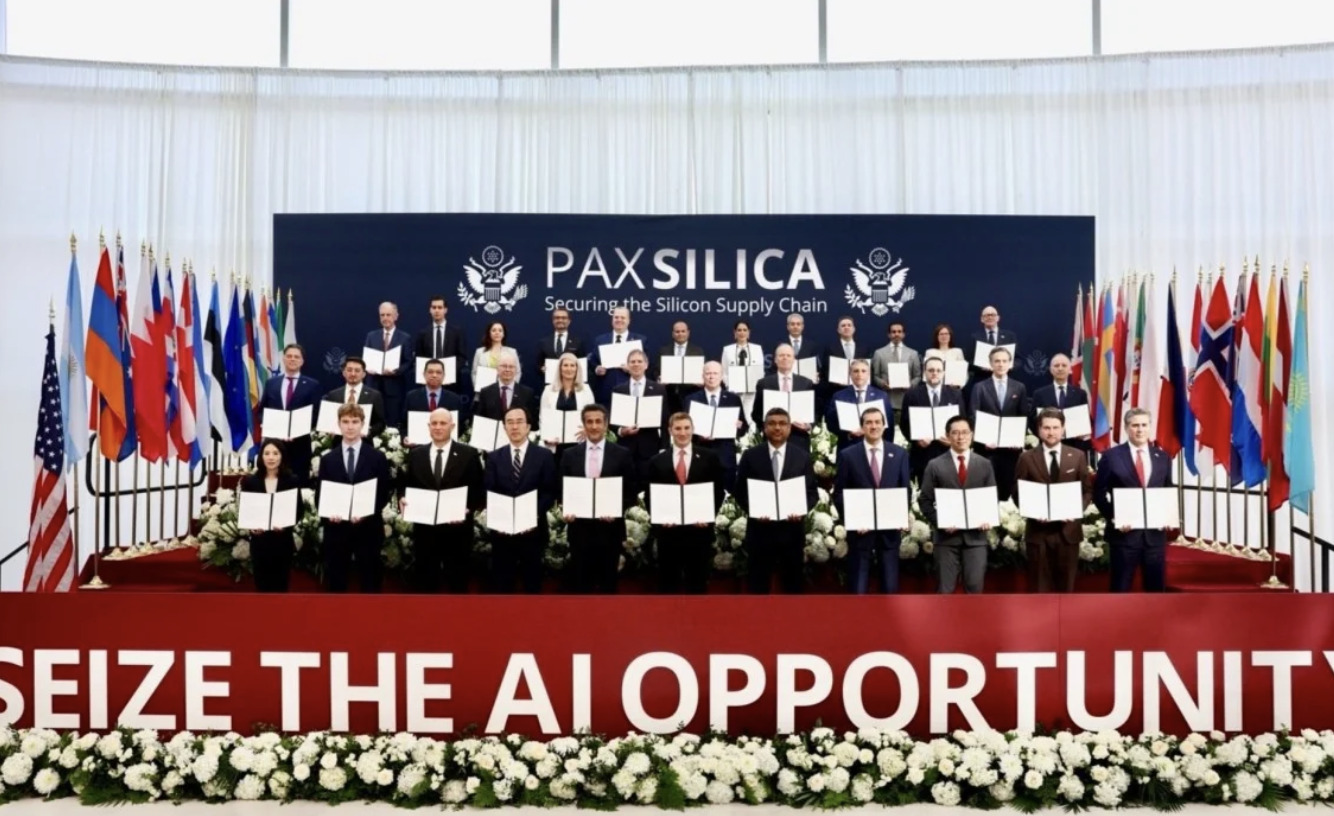
US Assures India Over AI ‘Kill Switch’ as ‘Pax Silica’ Expands in Bid to Counter China
US Assurances to India on AI Access The United States assured India that future artificial intelligence models will not be cut off, following Washington’s abrupt ban on Anthropic’s advanced models due to national security concerns.…
-
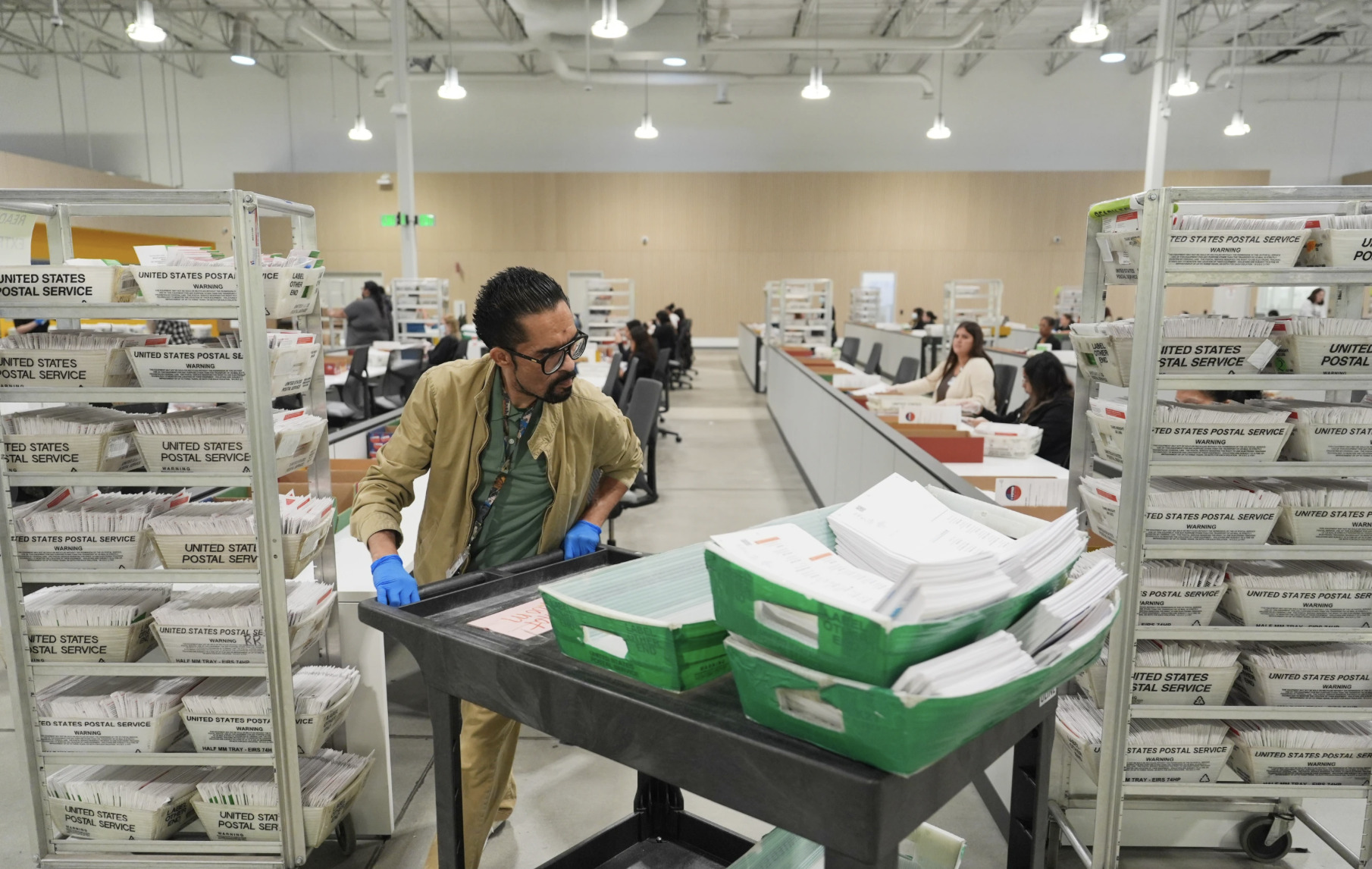
Federal Judge Halts Trump’s Election Executive Order Seeking to Create a Federal Voter List
The Judicial Ruling on the Executive Order U.S. District Court Judge Indira Talwani halted President Donald Trump’s executive order that sought to create a federal voter list and limit who can receive a mail ballot.…
-
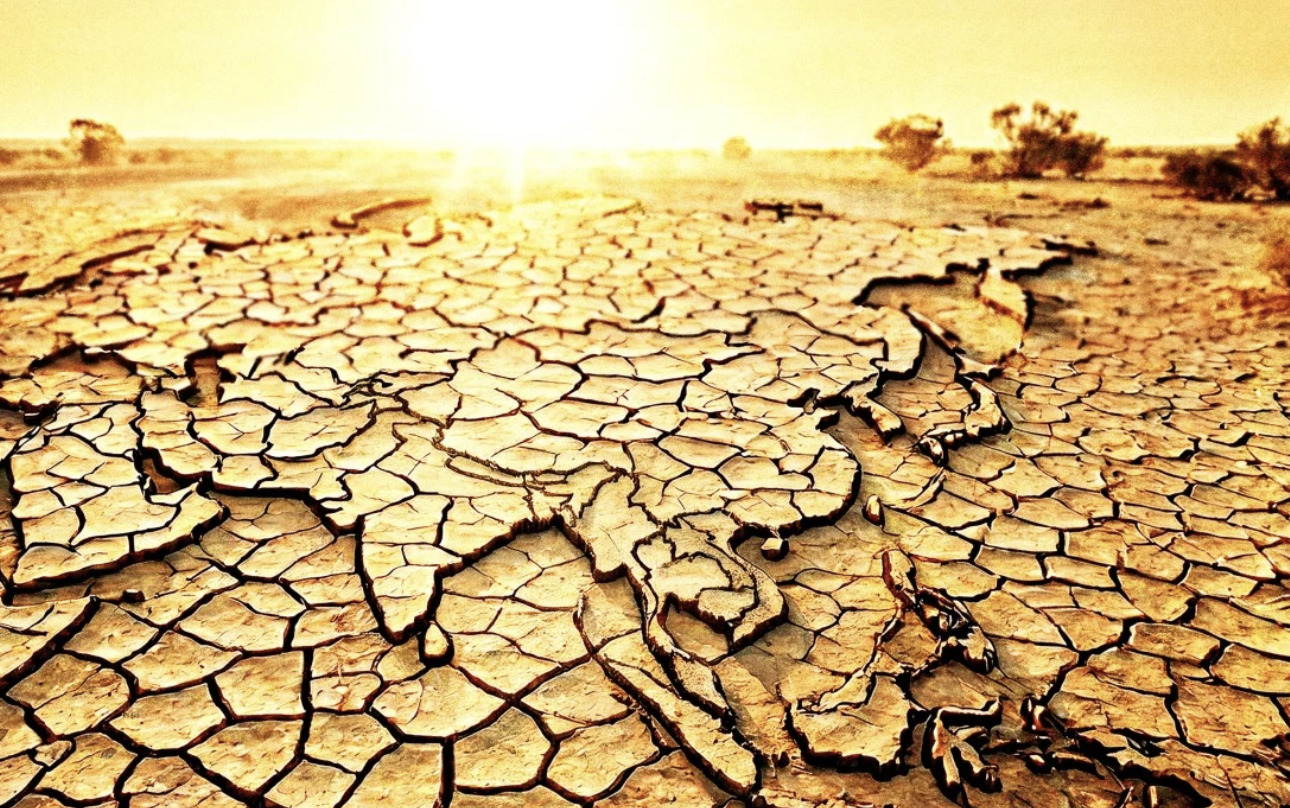
Asia’s Shaky Food Supply Shudders as ‘Super’ El Nino Arrives
The Arrival of a Super El Nino The El Nino climate phenomenon has officially started to form over the Pacific Ocean, bringing severe heat and unpredictable weather patterns. Currently, the ocean heat is measuring 2.5…
-
Nuevo estudio: Uno de cada ocho adolescentes en México sufrió explotación o abuso sexual en línea
El estudio estima que 1.6 millones de adolescentes fueron afectados en un año. El estudio Disrupting Harm México, presentado por UNICEF, ECPAT International e INTERPOL, revela que uno de cada ocho adolescentes usuarios de internet…
-

Miles de niños y niñas en riesgo tras los fuertes terremotos que sacudieron Venezuela.
Cerca de 3.9 millones de niñas, niños y adolescentes viven en las zonas afectadas. UNICEF estima que alrededor de 3.9 millones de niñas, niños y adolescentes viven en las zonas afectadas por los terremotos de…
-
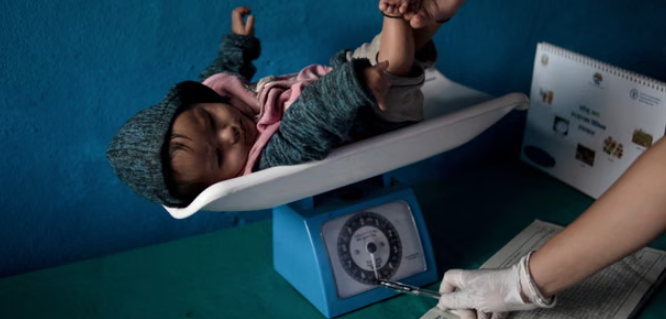
Child malnutrition in Nepal has reached ‘alarming’ levels since aid cuts, survey finds.
Survey reports rising levels of child malnutrition across Nepal. The largest survey ever conducted among children under five in Nepal found that child malnutrition has reached “alarming” levels following reductions in international aid. More than…
-
Peruvian political heir Keiko Fujimori wins presidency
The electoral commission reported one of the tightest margins in modern Peruvian history. According to the South China Morning Post, Fujimori secured the victory by capturing key urban voter strongholds. In fact, rural districts remained…
-

Stealing from the gods: India’s Ram Temple hit by corruption scandal
The iconic Ram Temple in Ayodhya, northern India, has been plunged into a massive embezzlement scandal. That threatens to upend local politics and damage the ruling party’s majoritarian platform. Devoted to the Hindu deity Lord…
-
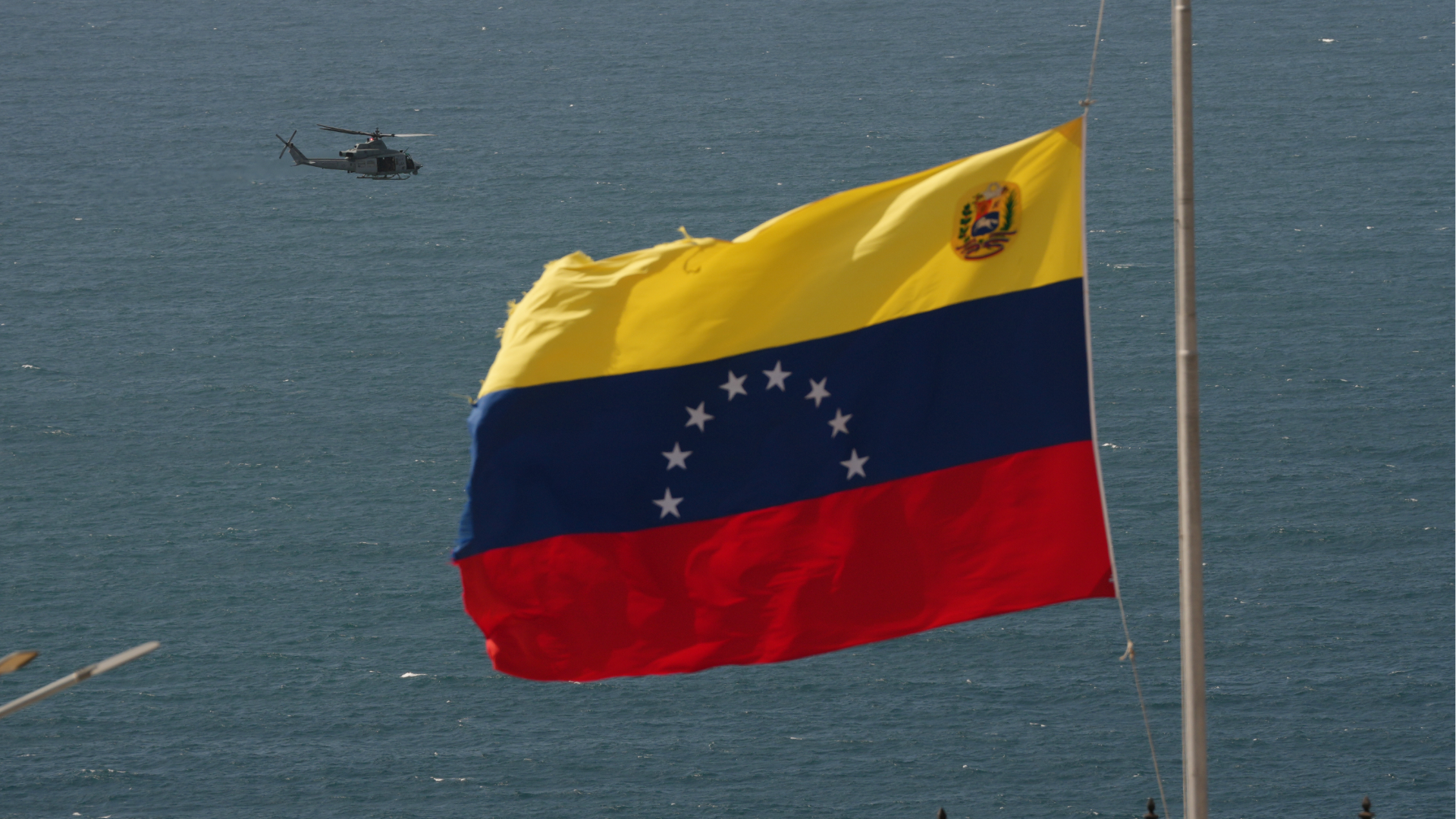
Fears for people deported from US to Venezuela hours before earthquakes hit
A humanitarian tragedy is unfolding in Venezuela after a United States deportation flight carrying 146 Venezuelan nationals. Including 19 women and seven children—arrived from Miami just hours before twin earthquakes devastated the country.