
Organismos Internacionales
-
How AI and machine learning can predict and explain social risks for more effective development operations
AI and machine learning are transforming how development agencies understand and respond to social risks. By analyzing large and complex datasets, these technologies can detect patterns and trends that humans…
-

Adaptation for utility transformation: Lessons from Latin America and the Caribbean
Across Latin America and the Caribbean, water utilities sit at the center of a quiet but consequential crisis. Climate change is intensifying droughts and floods, cities are expanding rapidly, and…
-

Youth leading the future of health in Africa: Conversation with Manuel Ntumba
Young people in Africa are emerging as powerful agents of change in the health sector, using innovation, leadership and community engagement to tackle some of the continent’s toughest health challenges.…
-

The hidden cost of water in Europe and Central Asia
Across Europe and Central Asia, water may appear readily available, but the full cost of providing safe, reliable water and sanitation services is often hidden from view. Aging infrastructure, underinvestment,…
-

From AI to Human Capital: Last Week’s Conversations
World Bank Group | February 20, 2026 The intersection between Human Capital and AI was at the center of two high-level conversations hosted by the World Bank Group on February…
-
Monetary Policy: Navigating Deflationary Risks in the People’s Republic of China
The PBOC’s Balancing Act In 2026, the People’s Bank of China (PBOC) faces the difficult task of stimulating growth without triggering financial instability or long-term debt bubbles. With inflation hovering…
-

Demographic Headwinds: Labor Decline in the People’s Republic of China
Managing the Long-term Workforce Shrinkage The IMF’s 2026 assessment underscores that the People’s Republic of China’s working-age population is shrinking at an accelerating rate due to decades of low birth…
-
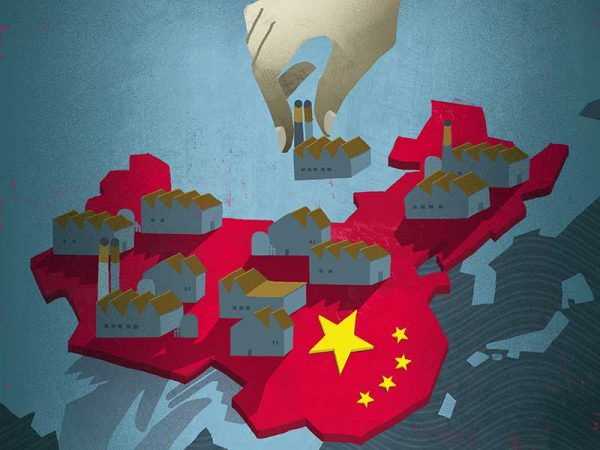
State-Owned Enterprise (SOE) Reform in the People’s Republic of China
Overview: The Dual Role of the State in the Economy The 2026 report revisits the long-standing debate over the efficiency and role of State-Owned Enterprises (SOEs) within the People’s Republic…
-
China Article IV Consultation 2025
IMF Assessment of Macroeconomic Stability and Reform Priorities The China Article IV Consultation released by the International Monetary Fund provides a comprehensive assessment of the country’s macroeconomic outlook at a…
-
Fiscal Reform: Strengthening the People’s Republic of China’s Revenue and Social Safety Nets
The Need for Modernized Public Finance The 2026 IMF report emphasizes that the People’s Republic of China’s fiscal system requires a fundamental overhaul to support its transition to a consumption-led…
-

The Global Jobs Gap: Three Pillars to Employ 1.2 Billion New Workers
A Looming Demographic and Social Crisis In a 2026 policy brief, the World Bank addresses a staggering imbalance: over the next decade, 1.2 billion young people in emerging economies will…
-
Climate Ambition: Decarbonizing the People’s Republic of China
The PRC’s Role in Global Climate Mitigation The Article IV consultation highlights the People’s Republic of China’s progress toward its “Dual Carbon” goals: peaking emissions before 2030 and achieving carbon…
-

How to create jobs for the world’s 1.2 billion new workers
Demographic Wave and Jobs Gap Over the next decade, 1.2 billion young people in developing economies will reach working age, but only about 400 million jobs are expected to be…
-
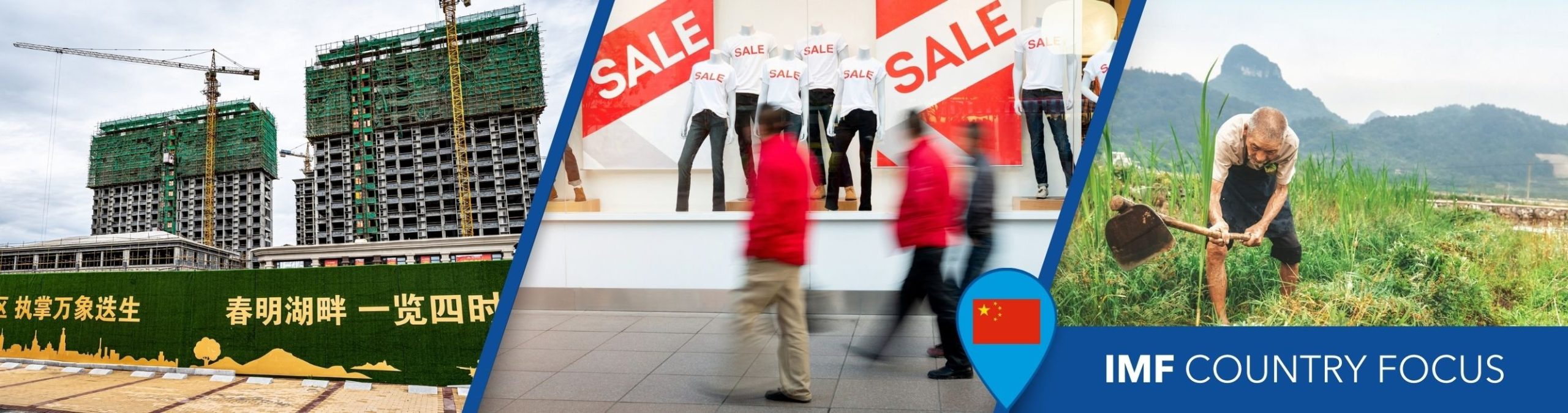
How China’s Economy Can Pivot to Consumption-led Growth
China’s Growth Context China’s economy showed 5% growth in 2025, reflecting resilience after multiple shocks and strong export performance. However, domestic demand has remained weak, partly due to a prolonged…
-

IA sin control: El riesgo de un “monstruo de Frankenstein” digital
El avance de la Inteligencia Artificial (IA) ha generado una advertencia urgente de las Naciones Unidas. Volker Türk, Alto Comisionado para los Derechos Humanos, comparó el desarrollo desregulado de esta…
-
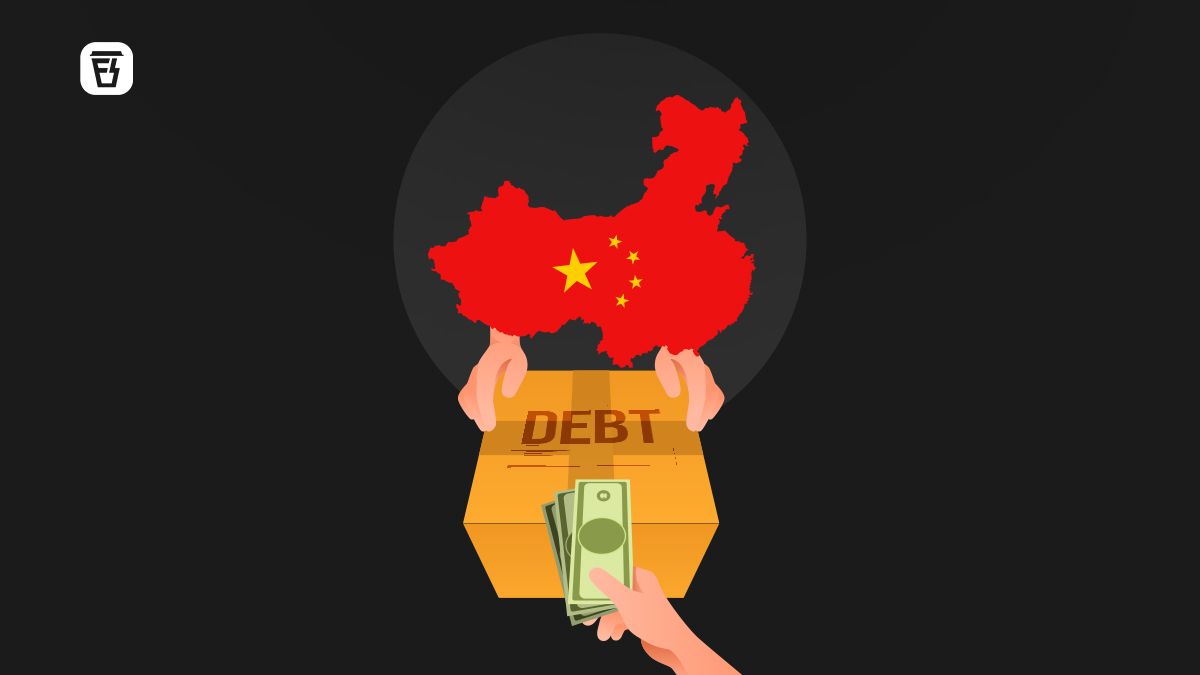
The Crisis of Local Government Financing Vehicles: Addressing People’s Republic of China’s Hidden Debt
A Systemic Risk to Fiscal Stability The 2026 Article IV report identifies the debt of Local Government Financing Vehicles (LGFVs) as a primary source of financial vulnerability for the People’s…
-
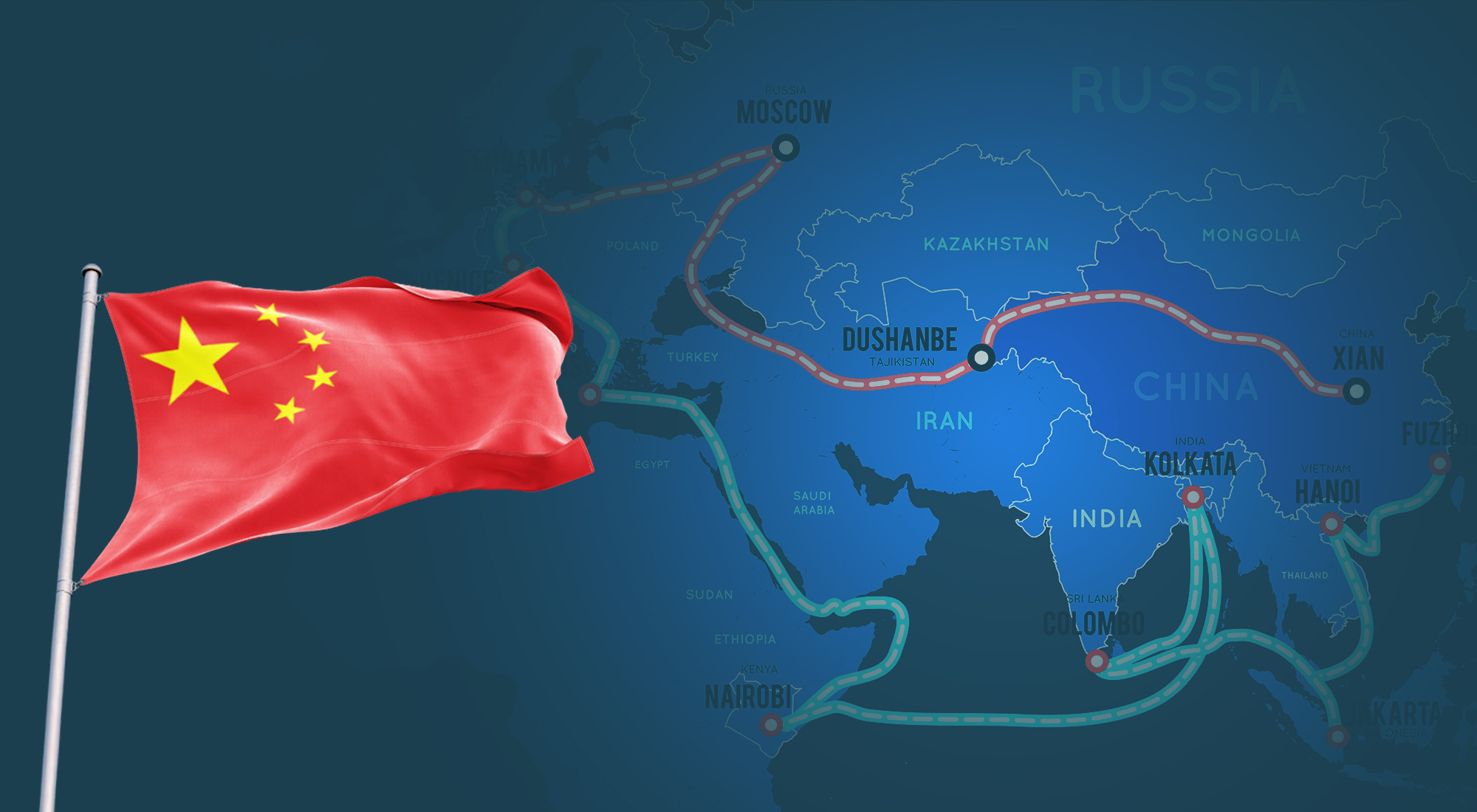
The Belt and Road Initiative in 2026: From Expansion to Strategic High-Quality Cooperation
Redefining Global Economic Connectivity The 2026 Article IV report provides a critical update on the Belt and Road Initiative (BRI), highlighting its transition toward a “high-quality” development phase. Following the…
-
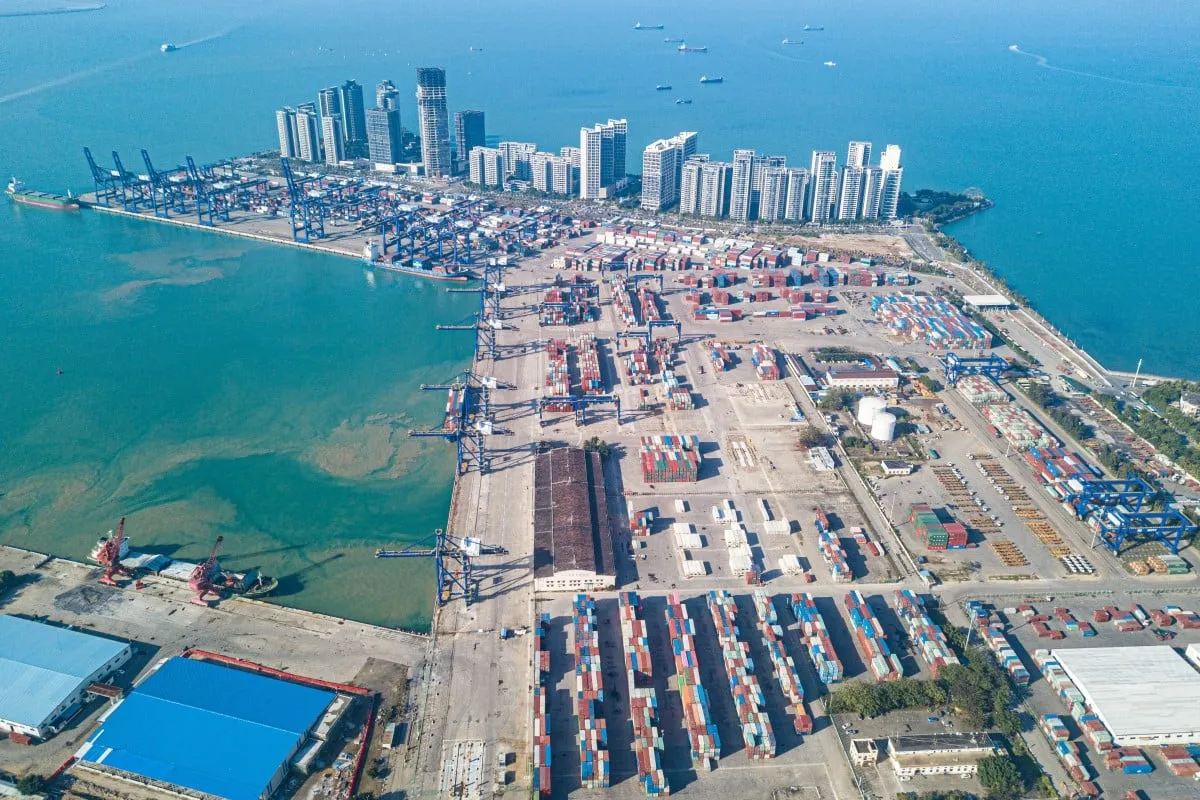
Hainan Free Trade Port: A Laboratory for China’s High-Level Opening Up
The Frontier of Economic Liberalization The 2026 Article IV report emphasizes the strategic importance of the Hainan Free Trade Port (FTP) as a cornerstone of China’s commitment to high-level economic…
-
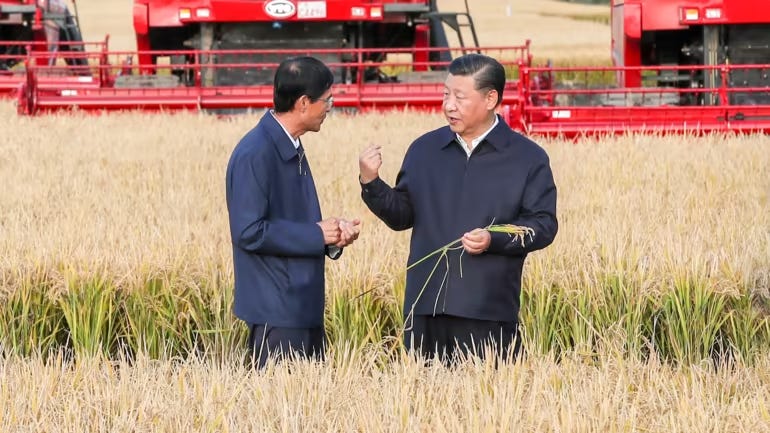
Strategic Sovereignty: China’s Push for Food and Technological Security
Resilience in an Era of Geopolitical Uncertainty In its 2026 Article IV report, the IMF highlights China’s intensified focus on “strategic security,” specifically in the realms of food and technology.…
-
The Electric Vehicle Dispute: Industrial Subsidies and International Trade Frictions
Competitive Dynamics in the Green Transition The 2026 Article IV report provides an in-depth analysis of the growing international friction surrounding China’s electric vehicle (EV) sector. As China solidified its…
-

Women’s access to international markets to be spotlighted at MC14 high-level event
A high-level event on women and trade will take place on 25 March on the margins of the 14th WTO Ministerial Conference (MC14) in Cameroon. Bringing together women entrepreneurs, development…
-
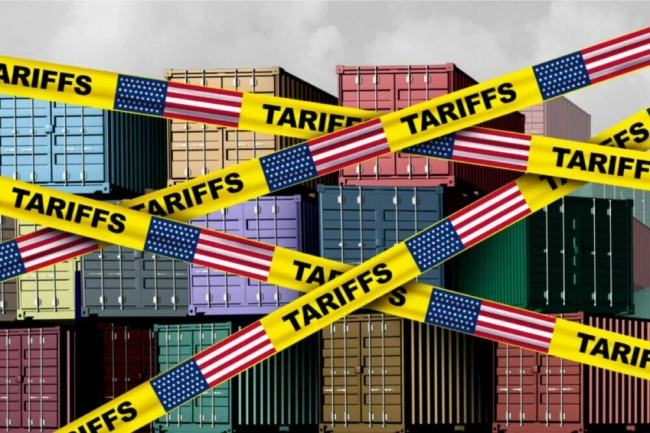
People’s Republic of China: 2025 Article IV Consultation-IMF: Quantifying Economic Fragmentation and GDP Losses
A Sharp Increase in Trade Barriers The IMF’s 2026 Article IV report for China highlights a significant escalation in trade barriers, with effective tariffs on Chinese exports to the United…
-
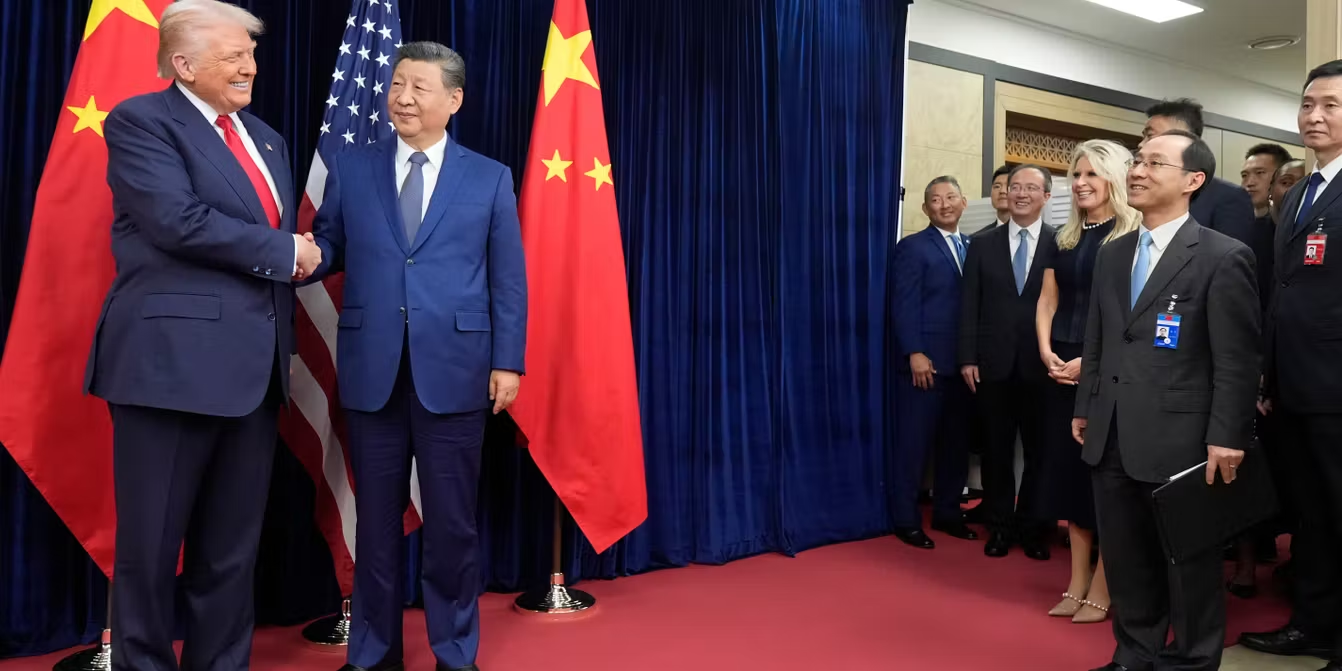
The 2025 US-China Trade Truce: Strategic De-escalation and Purchase Commitments
A Temporary Pause in Trade Hostilities In October 2025, the People’s Republic of China and the United States reached a significant one-year trade truce following a period of intense escalation.…
-
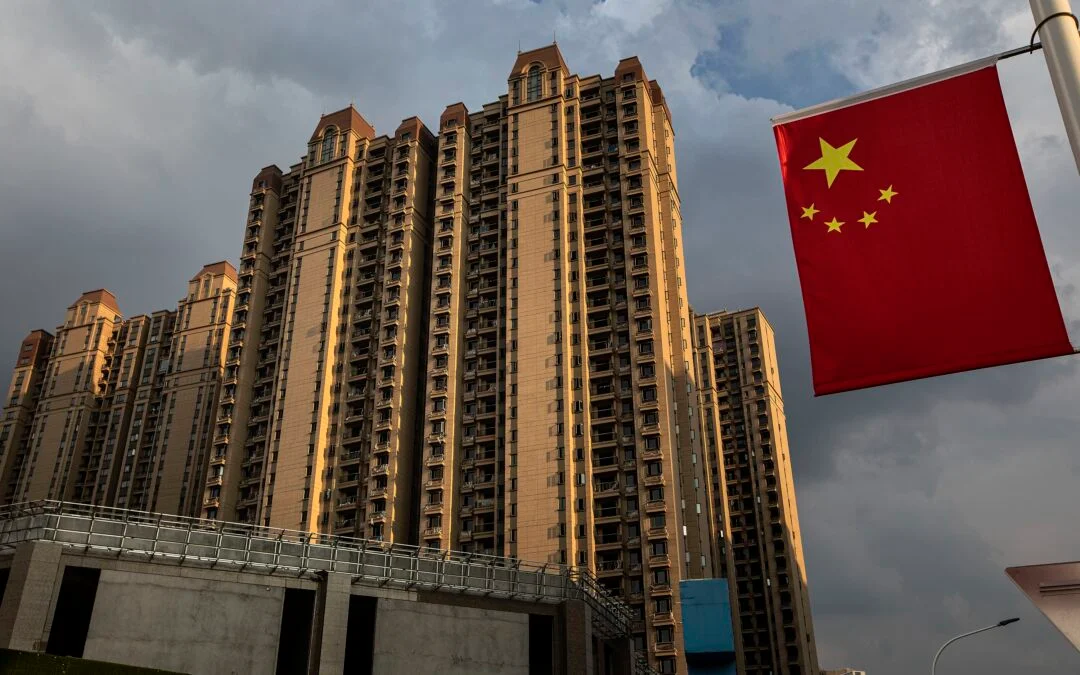
The Real Estate Crisis and the 5% GDP Rescue Plan: Stabilizing China’s Economic Foundation
A Protracted Structural Adjustment The 2026 Article IV report identifies the ongoing contraction in the property sector, now in its fourth year, as the most significant domestic drag on China’s…
-

The Challenge of “Involution”: Addressing Excessive Competition and Market Distortions
The Phenomenon of Neijuan in the Chinese Economy In its 2026 Article IV report, the IMF introduces a detailed analysis of “involution”—locally known as neijuan—a term describing a state of…
-
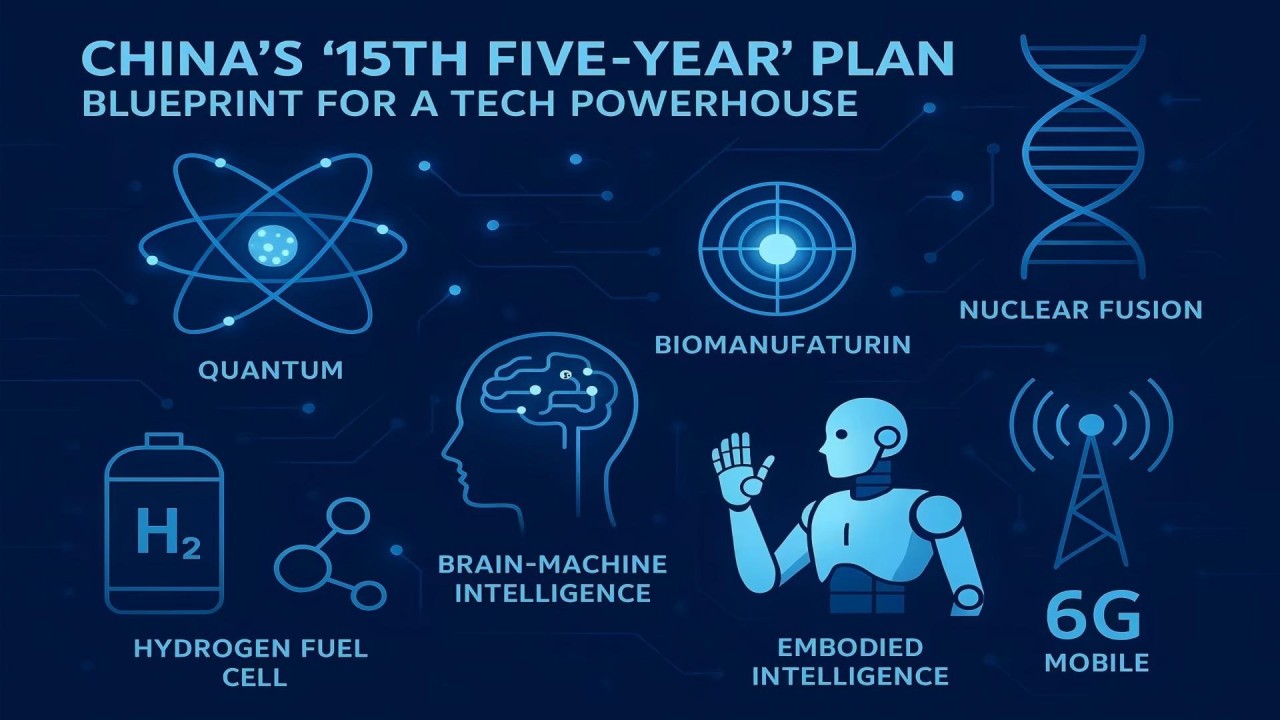
15th Five-Year Plan (2026–2030): Navigating the Transition to High-Quality Development
A Strategic Blueprint for a New Era The year 2026 marks the official launch of China’s 15th Five-Year Plan (FYP), a pivotal policy framework that defines the nation’s economic and…
-

Asia y el Pacífico: El deterioro ambiental y la desigualdad amenazan décadas de progreso social
Un nuevo informe de la ONU lanza una advertencia urgente. La región de Asia y el Pacífico corre el riesgo de incumplir casi todas sus metas de desarrollo para el…
-
Asia and the Pacific SDG Progress Report 2026
The COVID-19 pandemic acted as more than a global disruption; it served as an unprecedented catalyst for mass technological adoption. However, this “digital big bang” has a concerning side effect.…
-

Fighting Tech-Fueled Crime
Rising Digital Crime Threats Organized criminals increasingly use advanced digital tools and social engineering to defraud and exploit victims across borders. For example, sophisticated crypto scams hide stolen funds through…
-
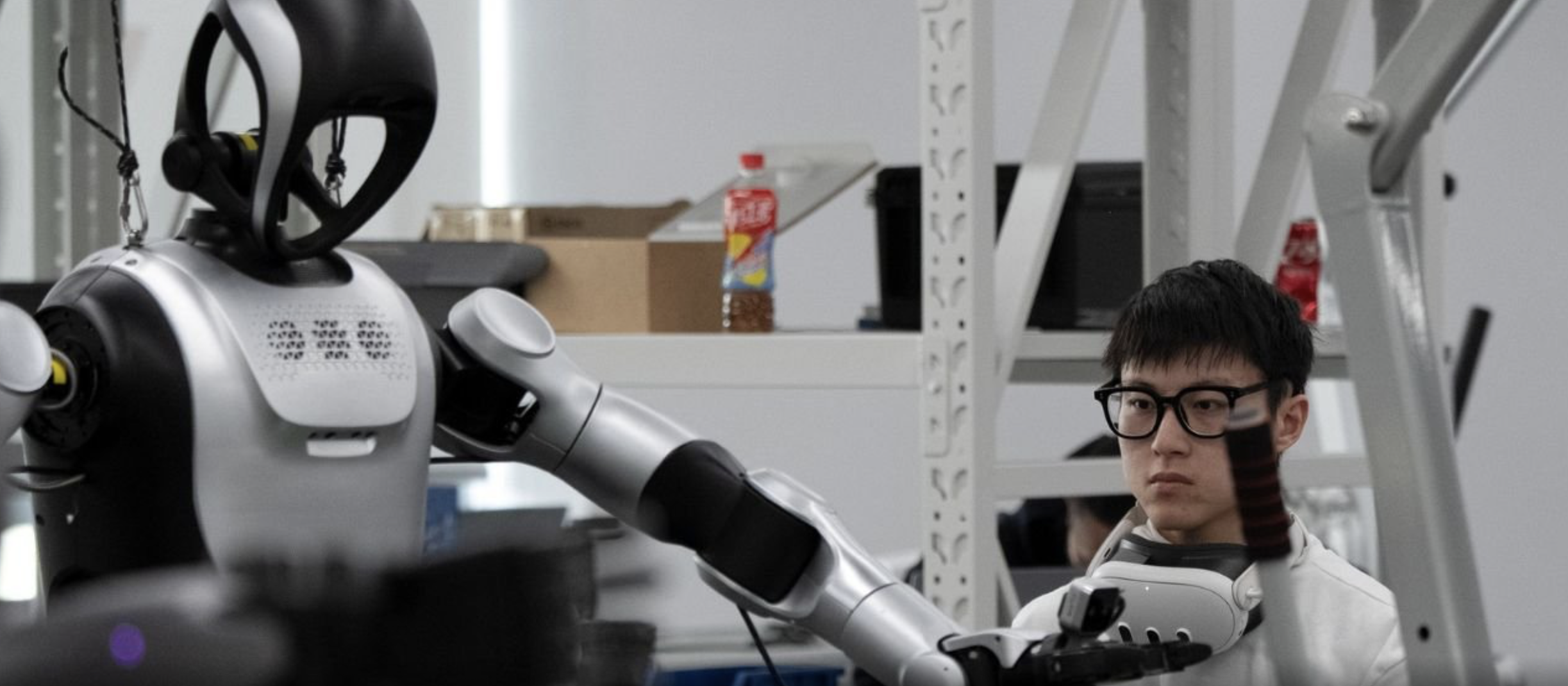
New Skills and AI Are Reshaping the Future of Work
Transformation of Jobs First, technological change has long altered labour markets and now AI accelerates that shift. Consequently, some jobs disappear while others emerge, creating opportunities and challenges at once.…