
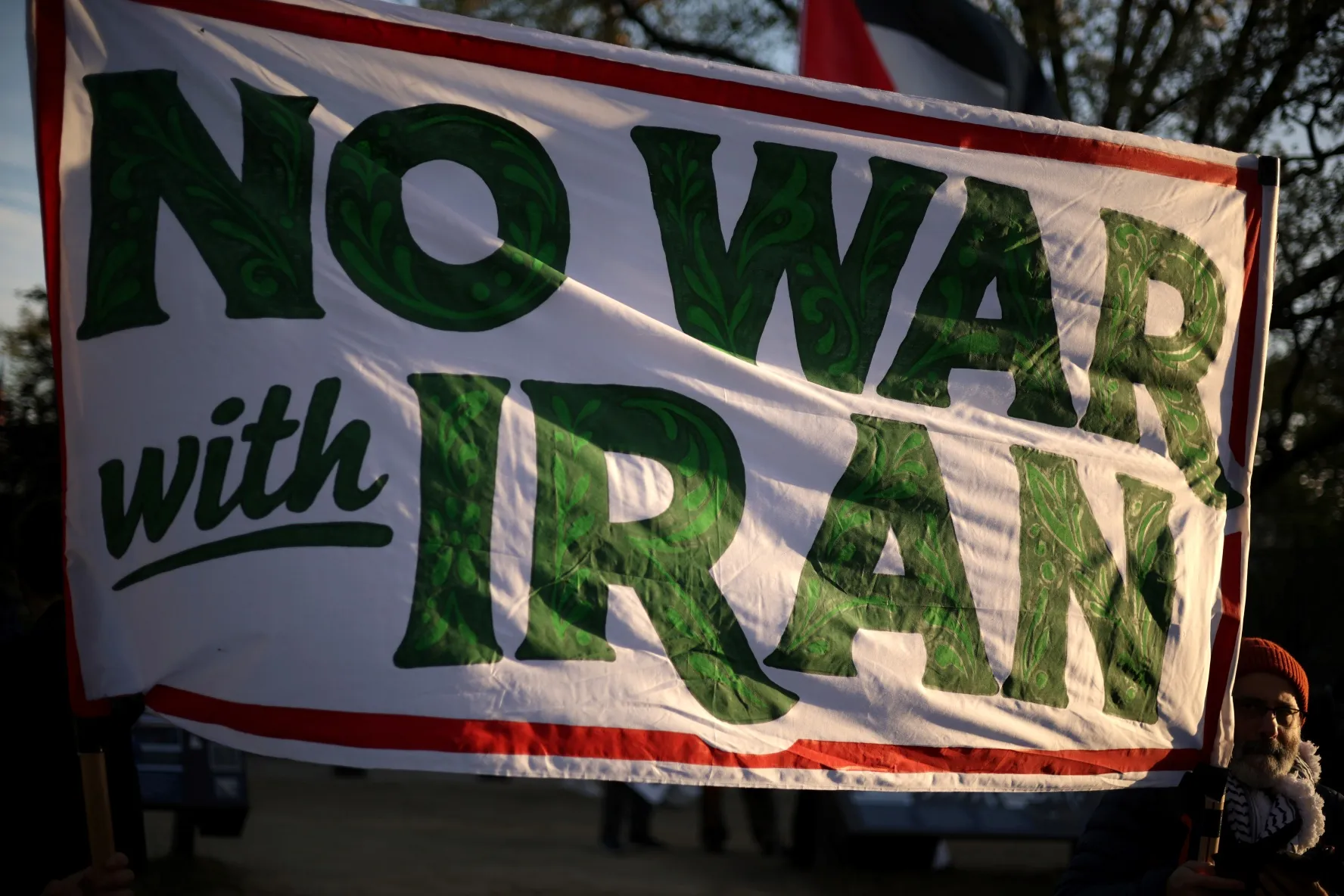
Public opinion in the United States has largely turned against the war with Iran, reflecting widespread concerns about its consequences for national interests, economic stability, international security, among others. Survey data analyzed by Brookings show that most Americans believe the conflict has harmed the country rather than strengthened it. This skepticism extends across much of the political spectrum, although the intensity and reasoning behind these views vary among different groups of voters.
Many Americans remain unconvinced that the benefits of military action outweigh its costs. Concerns about the risk of a prolonged conflict have become particularly significant as the war continues. Some respondents expressed anxiety over the possibility of deeper U.S. involvement in the region, the financial burden associated with military operations, and the potential for further instability in the Middle East. For many, these risks appear to outweigh the strategic objectives cited in support of the intervention.
Economic considerations also play an important role in shaping public attitudes. Rising energy prices and broader concerns about inflation have contributed to negative perceptions of the conflict. Many Americans view the war through its effects on daily life, particularly when international tensions influence fuel costs and broader economic conditions. As a result, support for military action is often linked not only to foreign policy considerations but also to its perceived impact on household finances and economic security.
The survey indicates that partisan differences remain important, though they do not fully explain public opinion. Republican voters generally express more support for the administration’s actions than Democrats and independents. However, even among those who approve of the decision to confront Iran, concerns persist about the possibility of escalation and the absence of a clear path toward a lasting resolution. This reflects that support for the war is not unconditional.
Another notable finding is the gap between elite foreign policy debates and public sentiment. Political leaders frequently frame military action in terms of deterrence, national security or geopolitical strategy. Many citizens, however, evaluate the conflict through a more immediate lens, focusing on its human, economic and political consequences. This difference highlights the challenge governments face when attempting to maintain public support for military engagements that may extend over long periods without producing clear outcomes.
Questions about America’s role in the world also influence attitudes toward the conflict. Some respondents see the war as evidence of excessive involvement in overseas disputes, while others worry that military intervention may distract attention and resources from domestic priorities. These concerns warn us about a broader debate regarding how the United States should balance international commitments with challenges at home.
The findings suggest that public support for the war remains fragile and could decline further if the conflict becomes longer, more expensive, or more difficult to justify. Although opinions differ on the causes of the war and the appropriate response to Iran, there is broad agreement that the stakes are high and that the consequences will extend beyond the battlefield.
Taken together, the results reveal a public mood marked more by caution than enthusiasm. Many Americans appear concerned about the long-term implications of the conflict and uncertain that military action will achieve its intended goals. The data therefore point to a growing disconnect between the objectives of policymakers and the concerns expressed by much of the population, raising important questions about the political sustainability of the war.
Reference: Jones, J. M., & Kharas, H. (2026, June). Most Americans say the Iran war is bad for America. Brookings Institution. https://www.brookings.edu/articles/most-americans-say-the-iran-war-is-bad-for-america/