
Schools as Safe Spaces During Crisis
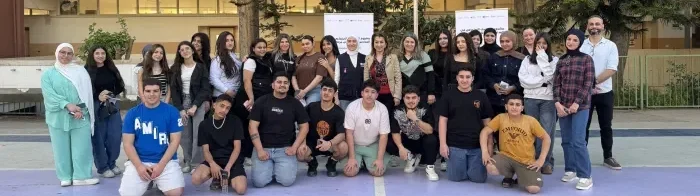
In Lebanon, schools have evolved beyond educational institutions and have become shelters and emotional support spaces for communities affected by displacement and conflict. UNESCO, together with national and international partners, launched the Social Cohesion Programme to encourage dialogue, solidarity, and inclusion among students from different backgrounds. The initiative seeks to strengthen trust and rebuild relationships inside educational environments that have been deeply impacted by ongoing crises in the country.
Friendship as a Symbol of Social Cohesion
The story of Ali and Elie reflects the human impact of the programme. Ali, displaced from South Lebanon during the 2024 conflict, enrolled in Jal El Dib Public High School after relocating with his family. Through school activities focused on teamwork and communication, he developed a strong friendship with Elie. Their relationship demonstrates how educational initiatives can reduce prejudice, encourage empathy, and create meaningful connections between displaced students and host communities.
The Role of UNESCO and Educational Partnerships
The programme was implemented through collaboration between the Lebanese Ministry of Education and Higher Education, UNESCO Beirut, UNICEF, CERD, and local organizations. These partnerships aim to reinforce the educational system while promoting peacebuilding and citizenship values. UNESCO has consistently emphasized that education is essential for restoring stability in Lebanon, particularly in contexts marked by conflict, social fragmentation, and economic hardship affecting thousands of students nationwide.
Education and Emotional Well-Being
Beyond academic continuity, the initiative prioritizes psychosocial support for children experiencing displacement and instability. Activities such as games, collaborative projects, and dialogue sessions help students regain a sense of belonging and emotional security. UNESCO recognizes that emotional well-being is directly connected to successful learning environments, especially for children affected by violence and uncertainty. Schools therefore become spaces where students can rebuild confidence, resilience, and hope for the future.
Rebuilding Communities Through Education
The Social Cohesion Programme illustrates how education can contribute to peacebuilding and long-term social recovery in Lebanon. By encouraging coexistence, solidarity, and mutual understanding, schools help reduce divisions created by displacement and conflict. The programme also reinforces values of citizenship and cooperation among young people, demonstrating that education plays a crucial role not only in academic development but also in rebuilding stronger and more connected communities during periods of national crisis.
Reference
Reference: United Nations Educational, Scientific and Cultural Organization (2026, 21 May). “Now we are friends”: Rebuilding social cohesion through schools in Lebanon. UNESCO. https://www.unesco.org/en/articles/now-we-are-friends-rebuilding-social-cohesion-through-schools-lebanon