
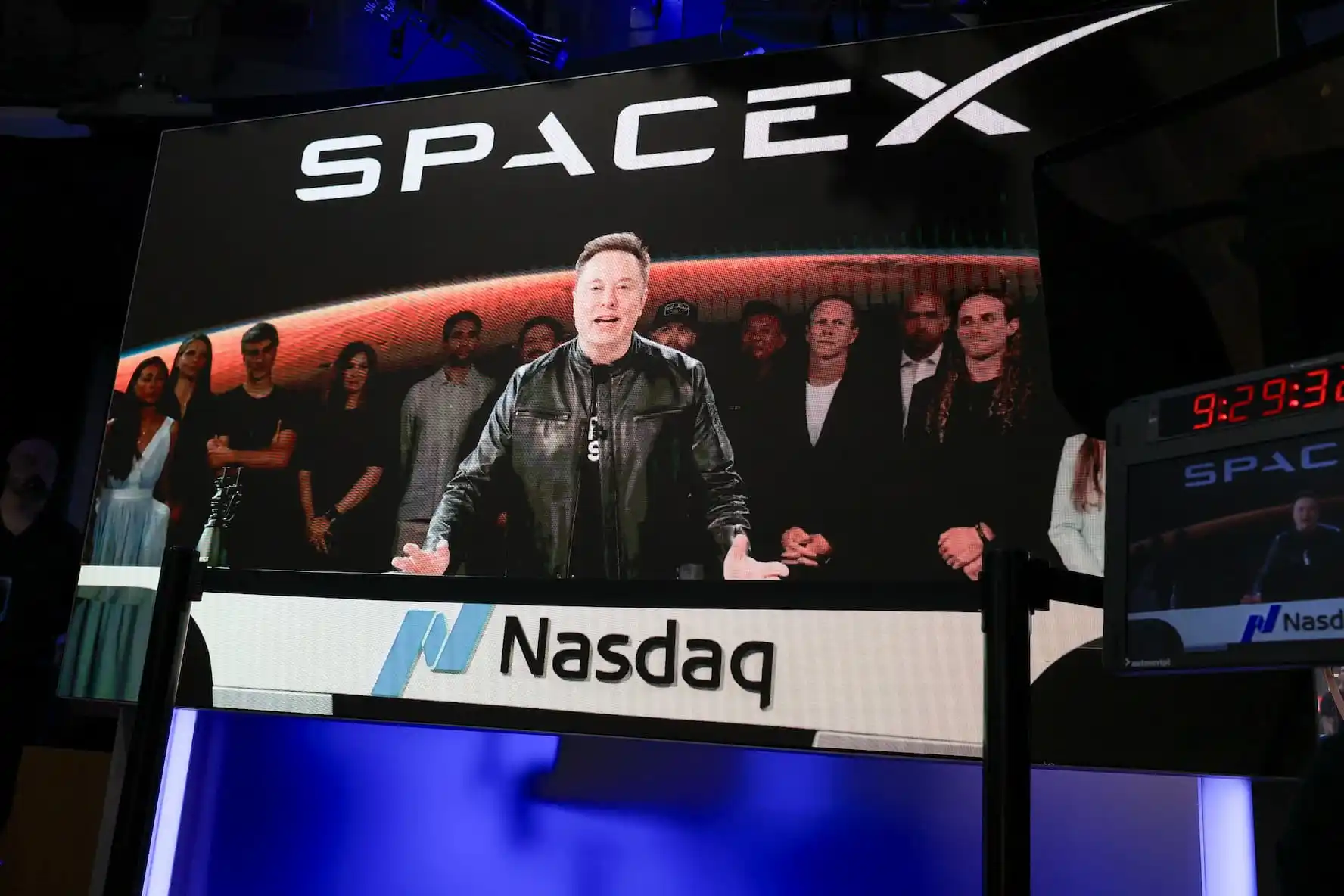
Orbital Data Centers have emerged as a proposed solution to the growing infrastructure demands created by artificial intelligence. As companies seek new ways to expand computing capacity, some industry leaders have suggested placing data centers in space.
This concept could reduce pressure on terrestrial resources such as land, electricity, and water. However, the Brookings article “Orbital Data Centers’ Feasibility Gap is a Governance Risk” argues that the idea remains far from practical implementation.
Technical Challenges Facing Orbital Data Centers
The article explains that heat management represents one of the greatest obstacles for Orbital Data Centers. On Earth, data centers rely on air and liquid cooling systems to remove excess heat. In space, however, the absence of an atmosphere makes this process significantly more difficult. Consequently, operators would need massive radiator systems to release heat through thermal radiation.
Furthermore, researchers estimate that these facilities could require millions of square feet of radiators to function efficiently. In addition, space-based infrastructure would face continuous exposure to solar radiation, hardware degradation, and high maintenance costs.
Moreover, the increasing number of satellites raises concerns about orbital congestion and potential collisions. As a result, many experts question whether Orbital Data Centers can become economically viable in the near future.
Governance and Regulatory Concerns
Beyond the technical difficulties, the article highlights important governance issues. Currently, regulatory responsibilities for space activities are divided among multiple agencies. Therefore, oversight may be inconsistent and difficult to enforce. According to the author, companies could use ambitious space-based projects to attract investment and strengthen their market position before proving the technology is feasible.
Moreover, market concentration presents another concern. Companies that control launch services, satellite networks, and computing infrastructure could gain substantial influence over future digital ecosystems. Consequently, competition may decrease while dependence on a small number of firms increases.
Environmental and Economic Implications
Supporters argue that Orbital Data Centers could take advantage of abundant solar energy and reduce strain on Earth’s electrical grids. Nevertheless, critics emphasize the environmental risks associated with increased launch activity and growing amounts of space debris. In addition, large-scale deployment could interfere with astronomical observations and create new sustainability challenges.
From an economic perspective, significant uncertainty remains. Although the concept appears innovative, terrestrial alternatives continue to offer lower costs and greater operational reliability. Therefore, many analysts remain skeptical about the commercial viability of space-based data centers.
The Brookings article presents a cautious assessment of Orbital Data Centers and their potential role in the future of AI infrastructure. While the concept offers intriguing possibilities, substantial technical, economic, and regulatory barriers remain unresolved.
Therefore, policymakers should focus on developing stronger governance frameworks and encouraging international cooperation. Only then can society properly evaluate whether Orbital Data Centers represent a realistic solution or simply an ambitious vision for the future.
Reference
Tokos, L. (2026, June 25). Orbital data centers’ feasibility gap is a governance risk. Brookings Institution. https://www.brookings.edu/articles/orbital-data-centers-feasibility-gap-is-a-governance-risk/