
Estados Unidos
-
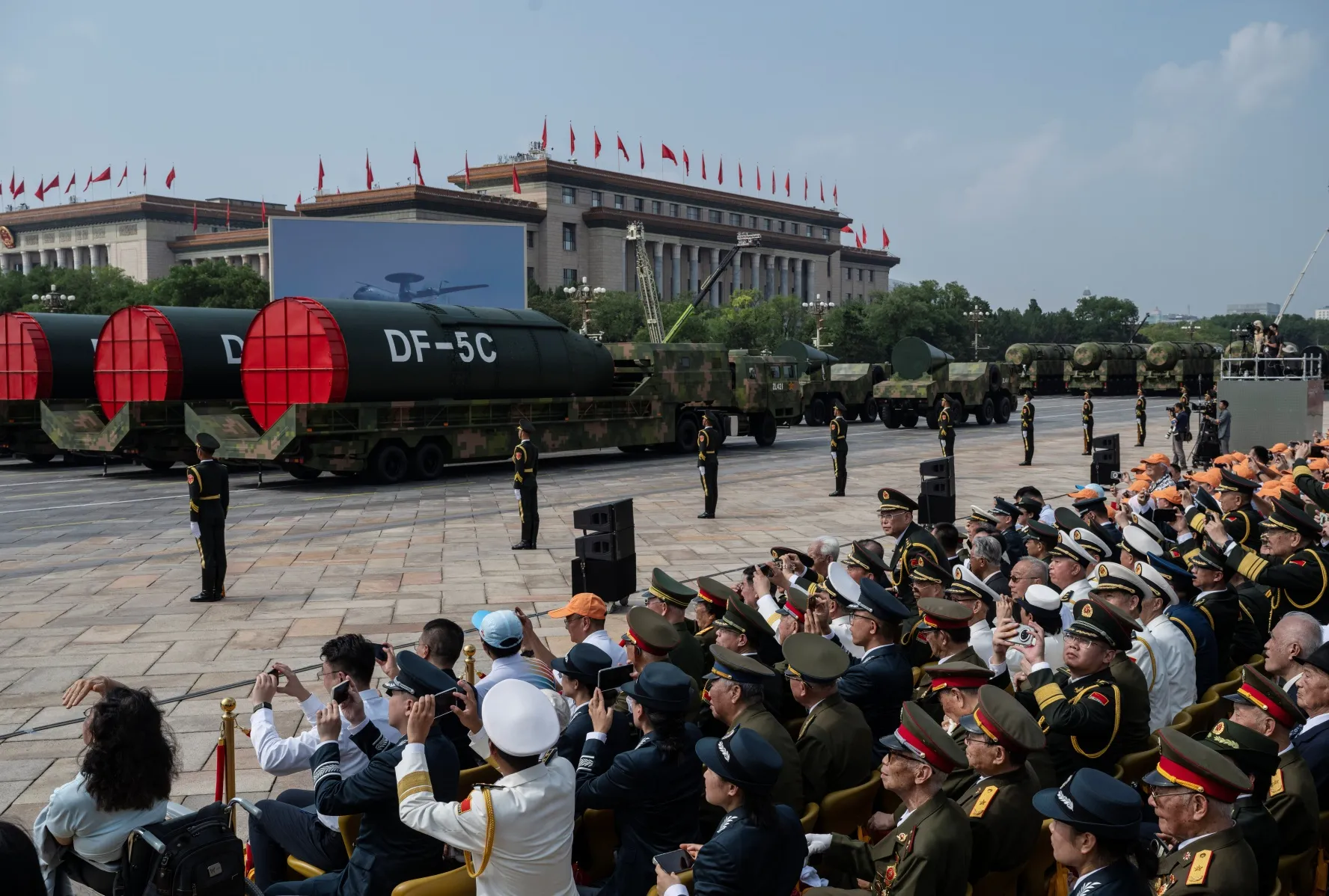
What comes after New START?
Background and Context New START expired on February 5, 2026, ending limits on U.S. and Russian strategic nuclear forces. President Trump aims for a new, improved, modernized arms agreement that…
-
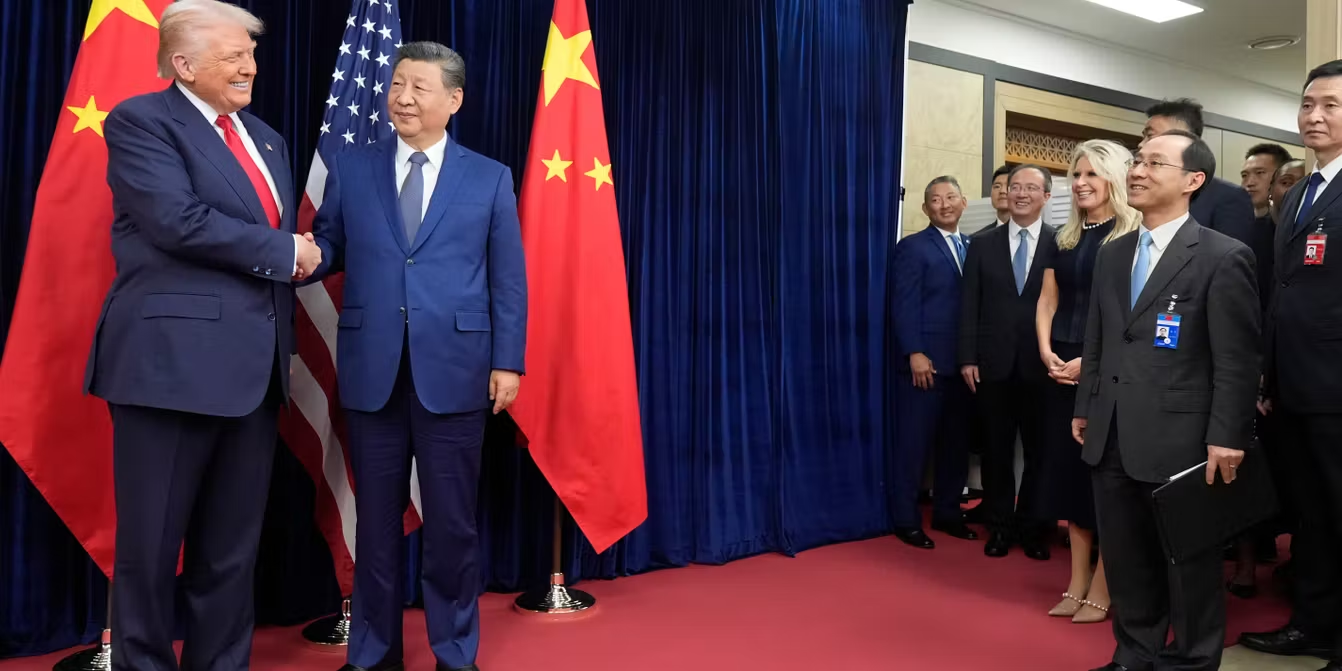
The 2025 US-China Trade Truce: Strategic De-escalation and Purchase Commitments
A Temporary Pause in Trade Hostilities In October 2025, the People’s Republic of China and the United States reached a significant one-year trade truce following a period of intense escalation.…
-

The Allies After America
In Search of Plan B Philip H. Gordon & Mara Karlin | Foreign Affairs, January/February 2026 The concept of Allies After America captures growing concern among U.S. partners about long-term…
-
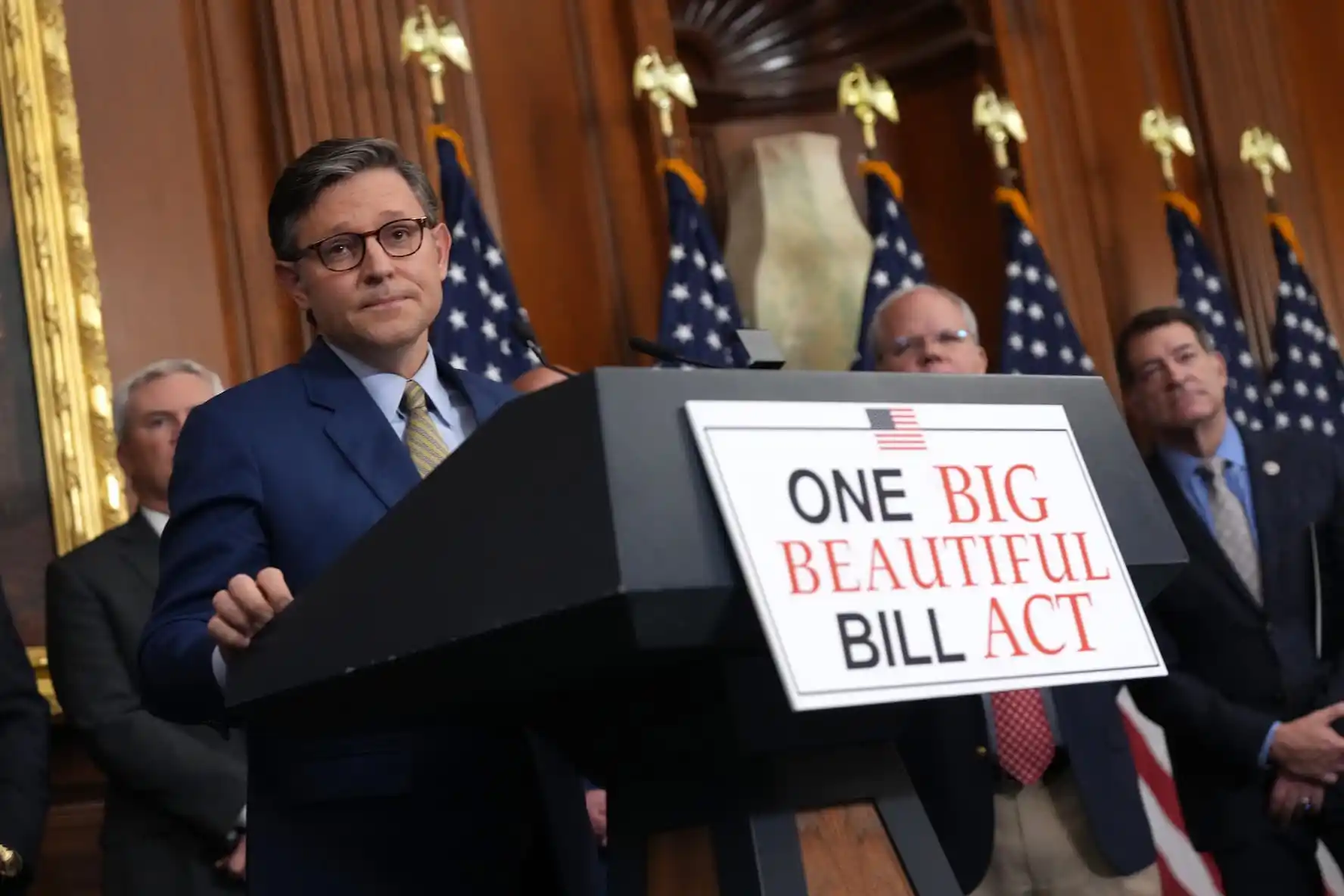
How the Big Beautiful Bill hurts the care economy
The Care Economy’s Importance The U.S. care economy includes paid and unpaid labor supporting children, elderly adults, and people with disabilities. It grows as the population ages. Moreover, immigrant workers…
-

Warner Bros se plantea reabrir las negociaciones de venta con Paramount
Warner Bros se encuentra en una encrucijada estratégica a una semana de que venza el plazo de la opa hostil de Paramount Skydance, mientras mantiene un acuerdo vinculante de venta…
-
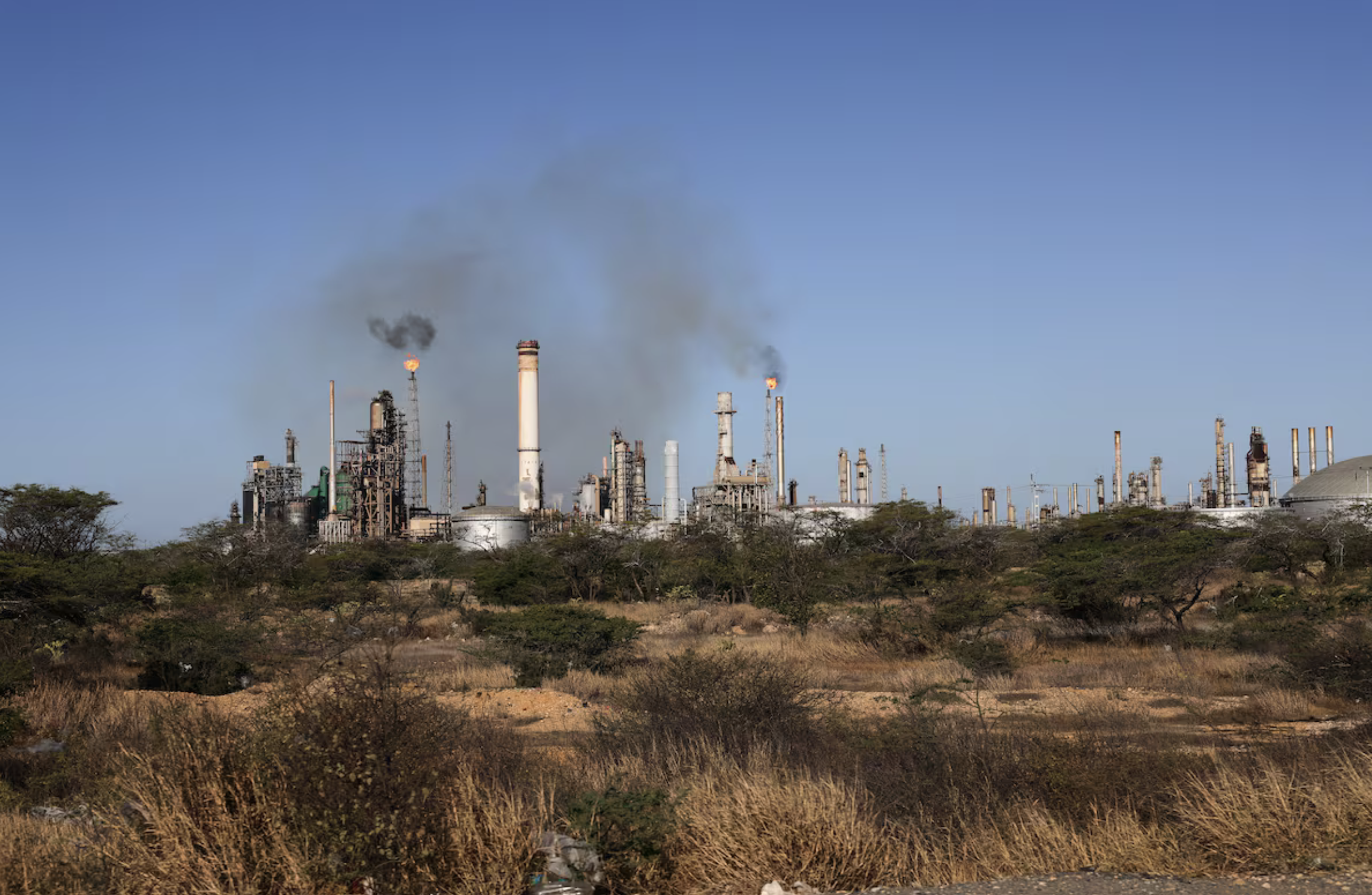
La economía venezolana se abraza al petróleo y la banca para salir del pozo
La posible reapertura petrolera de Venezuela marca un punto de inflexión tras años de sanciones y aislamiento financiero. Estados Unidos ha flexibilizado parte de las restricciones que impedían operar a…
-
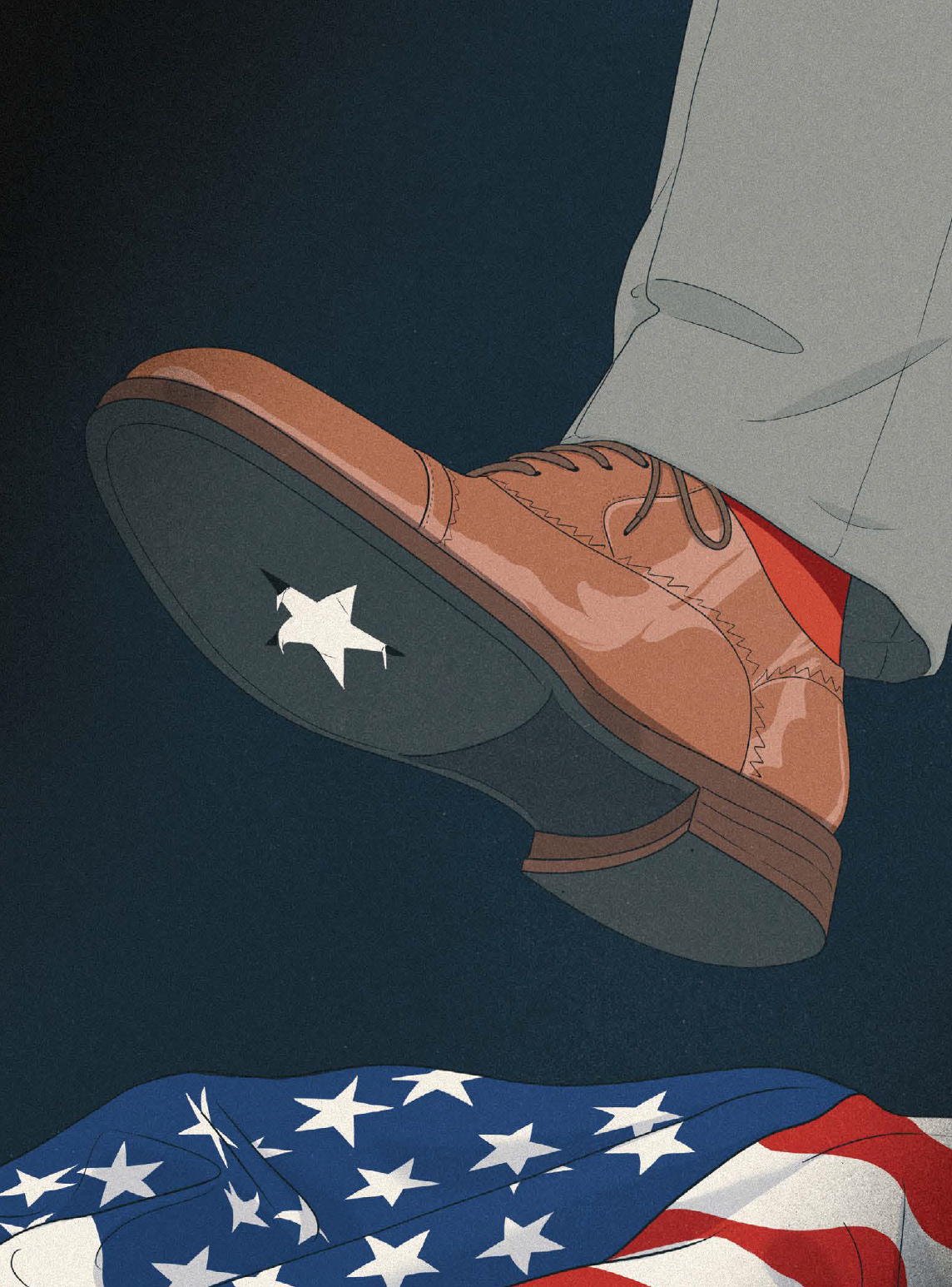
The Price of American Authoritarianism
What Can Reverse Democratic Decline? Steven Levitsky | Foreign Affairs, January/February 2026 In The Price of American Authoritarianism, Steven Levitsky examines the erosion of democratic norms in the United States…
-

The End of the Israel Exception
A New Paradigm for American Policy Andrew P. Miller | Foreign Affairs, January/February 2026 In The End of the Israel Exception, Andrew P. Miller argues that U.S. policy toward Israel…
-

The AI Divide
How U.S.-Chinese Competition Could Leave Most Countries Behind As artificial intelligence becomes central to global economic and strategic power, a divide is emerging that could leave many countries behind. Its…
-
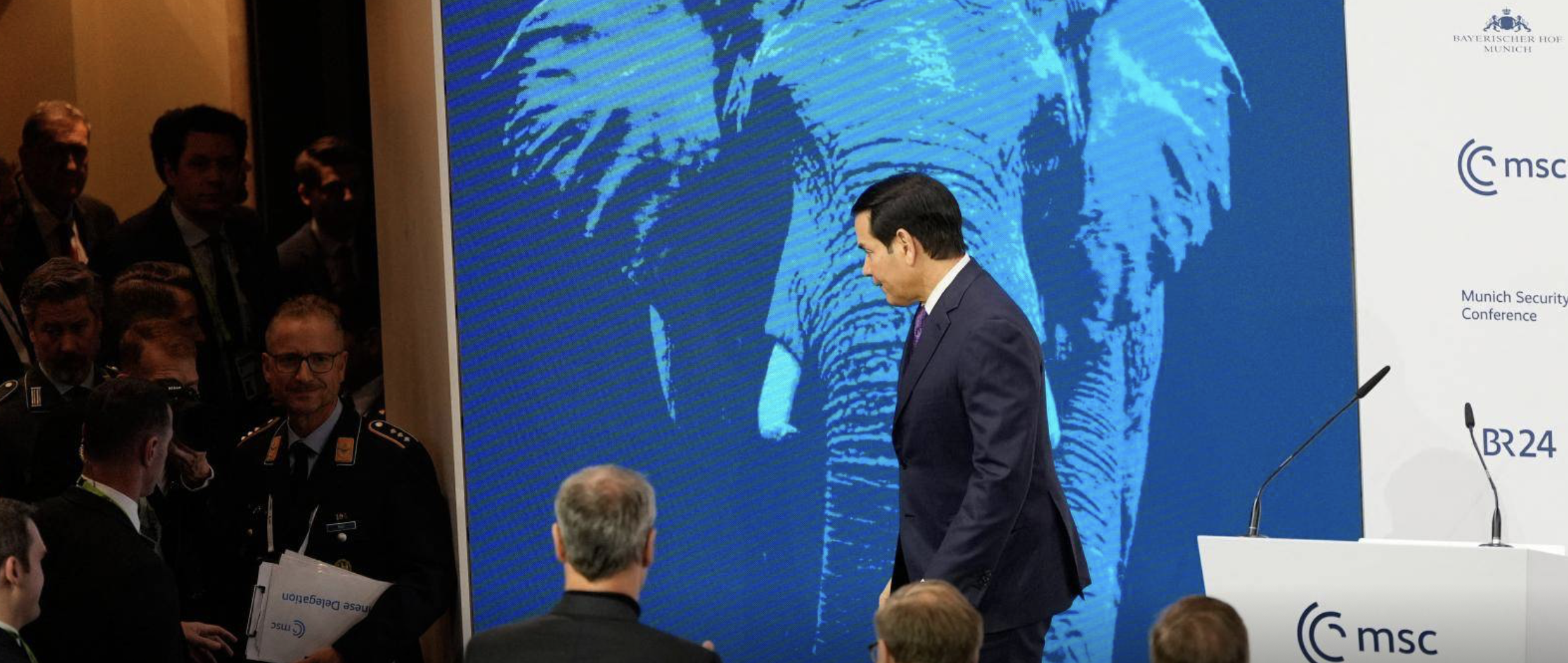
The West vs the West at the Munich Security Conference
Setting the Stage At the 2026 MSC, global leaders gathered amid growing geopolitical tensions and unease about traditional Western alliances and shared security goals. Rubio’s Address: A New Tone Initially,…
-

U.S. – Taiwan Trade Agreement Leaves Major Questions Open
Overview of the Reciprocal Trade Agreement The United States and Taiwan finalized a reciprocal trade pact that cuts tariffs on Taiwan goods and expands market access for U.S. exports. Under…
-

Paths Forward After Trump Repeals EPA Greenhouse Gas Protection
Context: EPA and the Endangerment Finding In 2009, a key U.S. environmental rule concluded that greenhouse gases harm public health and welfare, giving the government authority to regulate those emissions.…
-

Rusia anuncia conversaciones con Ucrania la próxima semana
El Kremlin confirmó la reanudación de negociaciones tripartitas sobre la guerra en Ucrania los días 17 y 18 de febrero en Ginebra, en un formato que incluye a Rusia, Ucrania…
-

The House Votes to Rein in Trump’s Canada Tariffs
Vote to Reverse Canada Tariffs The House of Representatives voted 219 – 211 to revoke tariffs tied to a national emergency declaration on Canada. Consequently, six Republicans joined nearly all…
-
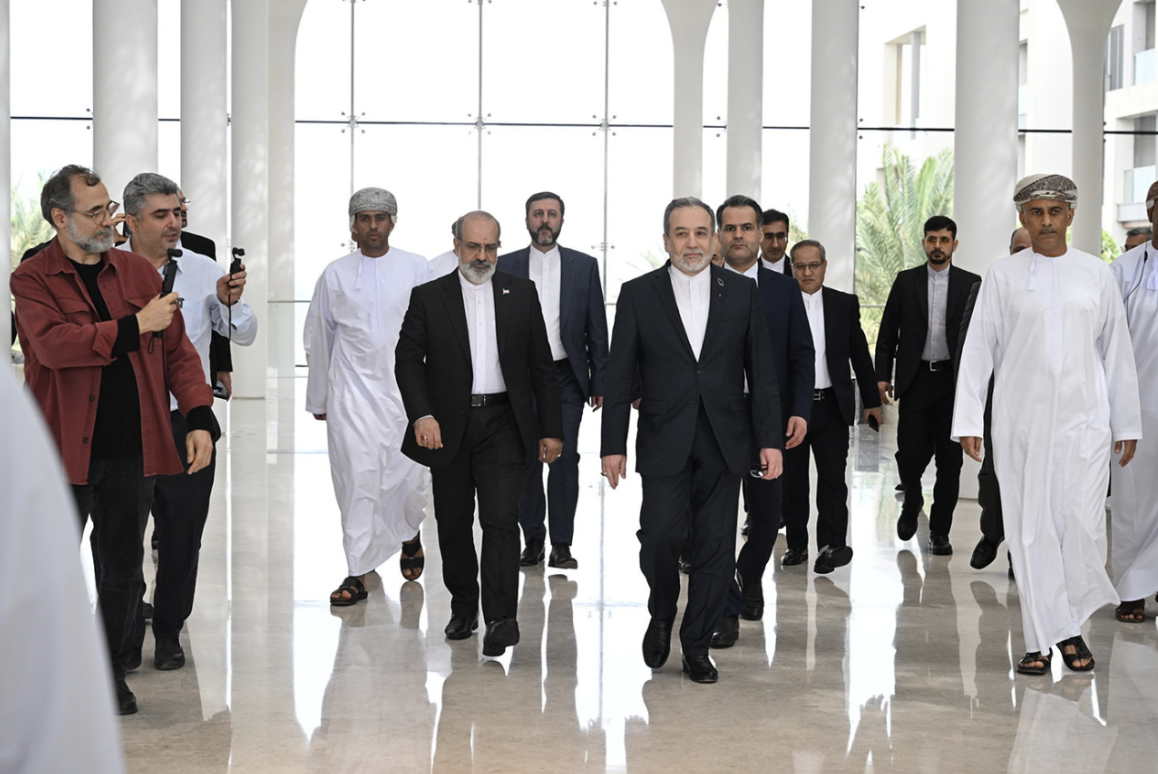
Iran Regime Attempts Creative Negotiating Stance
Context and Diplomatic Setting Indirect nuclear talks between the United States and Iran have begun anew in Oman, adhering chiefly to Iran’s conditions rather than Washington’s demands. These discussions occur…
-
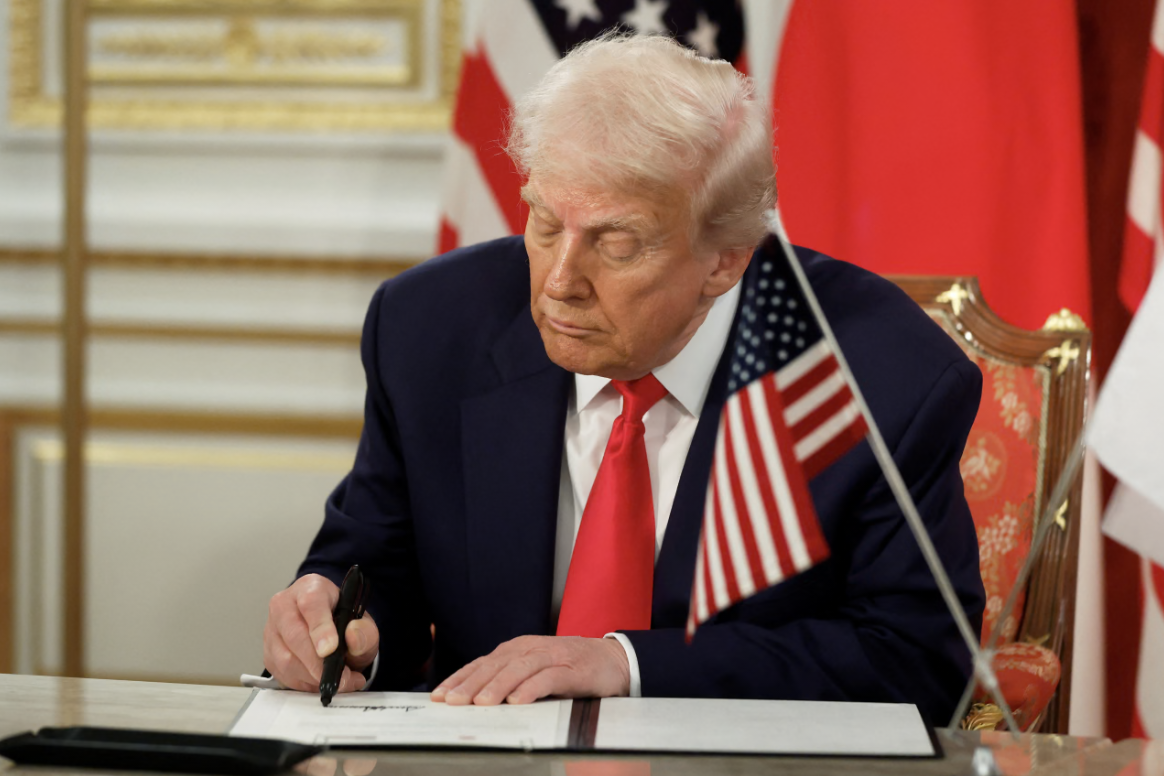
Tracking Trump’s Trade Deals
Redefining U.S. Trade Policy Since early 2025, sweeping tariff threats sparked a global rush to negotiate new trade arrangements with the United States. Instead of implementing high tariffs, baseline rates…
-

Nukes Without Limits? A New Era After the End of New START
End of Limits The New START nuclear arms control treaty expired on February 5, 2026, ending decades of mutual limits between the United States and Russia. Consequently, both nations now…
-
Europe Faces Uncertainty as New START Ends
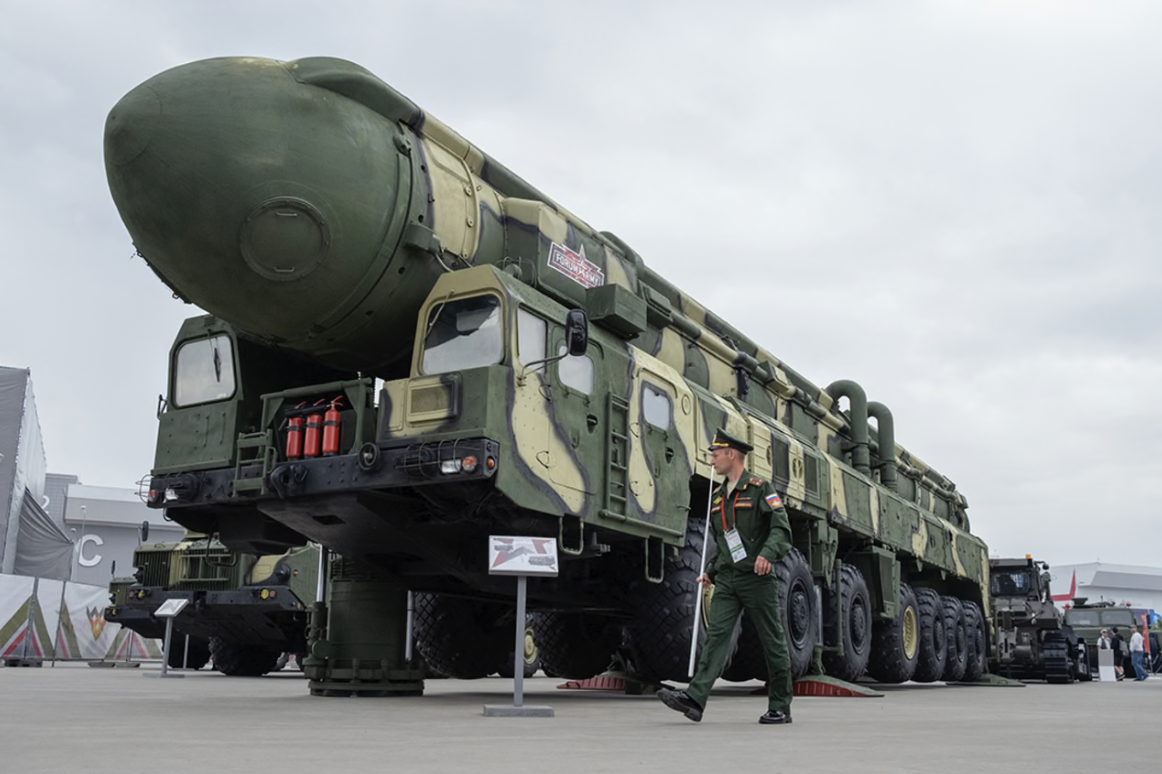
Context and Treaty’s Role New START, the main nuclear arms control treaty between the United States and Russia, expired on February 5, 2026 after limiting deployed strategic warheads to 1,550…
-

Military AI Adoption Is Outpacing Global Cooperation
Rising Military AI Deployment Global militaries are integrating artificial intelligence at accelerating speed operations and systems. Consequently, these deployments increasingly outpace efforts to establish international cooperation or coordinated norms. Fraying…
-

How 2026 Could Decide the Future of Artificial Intelligence
A Turning Point for AI in 2026 Artificial intelligence is entering a decisive phase defined by governance, widespread deployment, and geopolitical competition. As a result, policymakers must turn broad principles…
-
A Fork in the Road at the Munich Security Conference
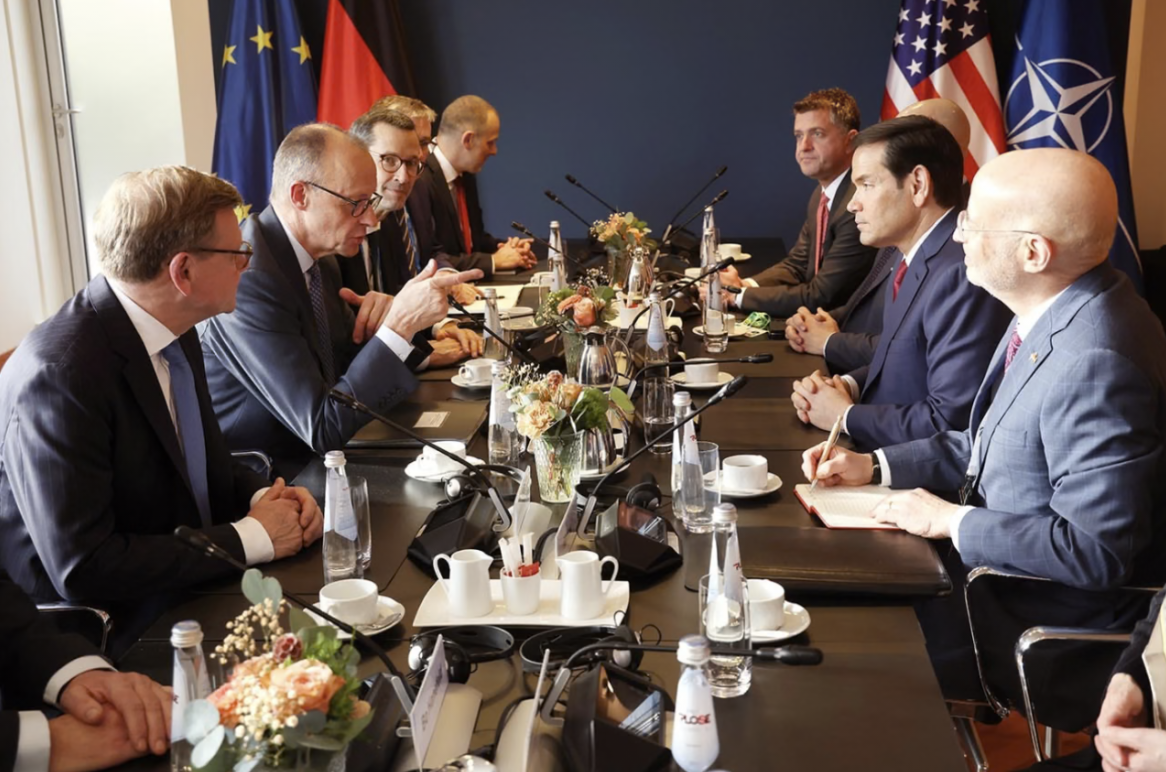
Setting the Scene The Munich Security Conference in February 2026 stands at a crucial inflection point for Western security cooperation. Gathered in Munich’s Hotel Bayerischer Hof, leaders confront rising geopolitical…
-
Netanyahu to Discuss Gaza and Iran During Washington Visit
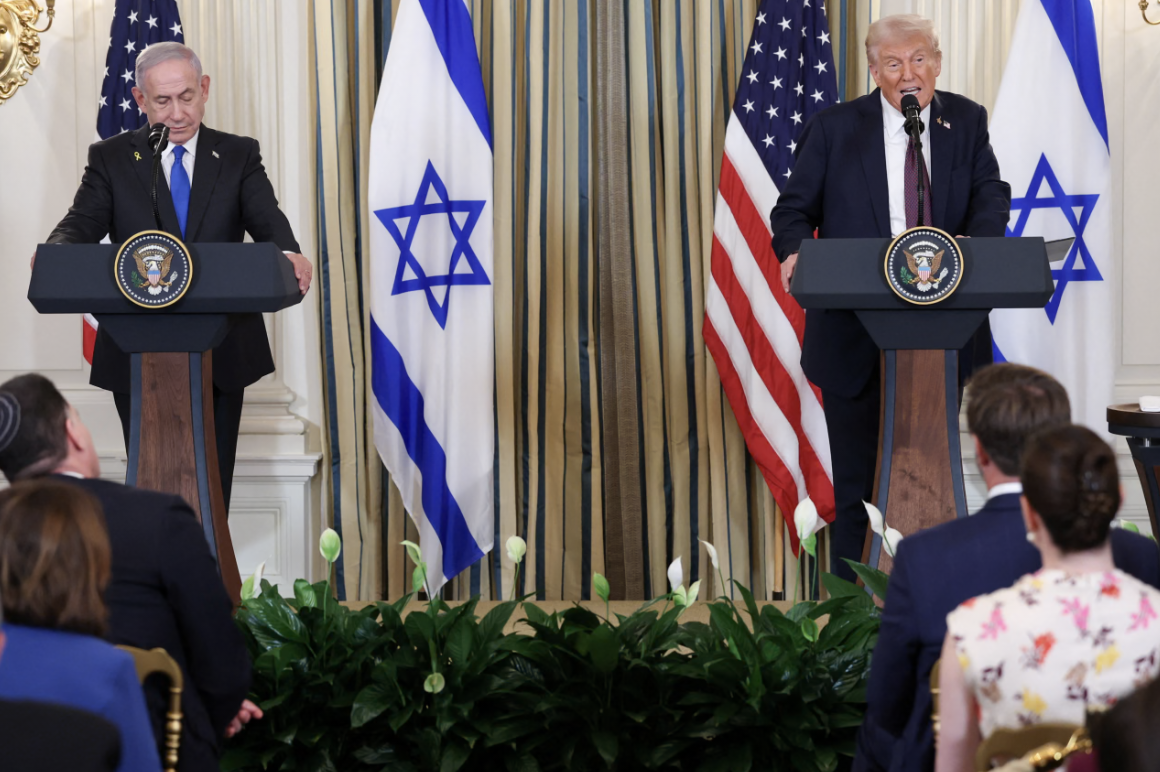
Washington Conversations on Gaza and Iran U.S. and Israeli leaders are meeting in Washington to align strategic priorities on Iran’s nuclear program and peace plans for Gaza. Because Iran and…
-

Reduced immigration slowed population growth for the nation and most states, new census data shows
Slowdown in U.S. Population Growth National population growth dropped sharply between mid-2024 and mid-2025. Growth fell from 0.96% to 0.52%, one of the lowest rates in U.S. history outside the…
-
Does President Trump have the authority to “nationalize” voting?
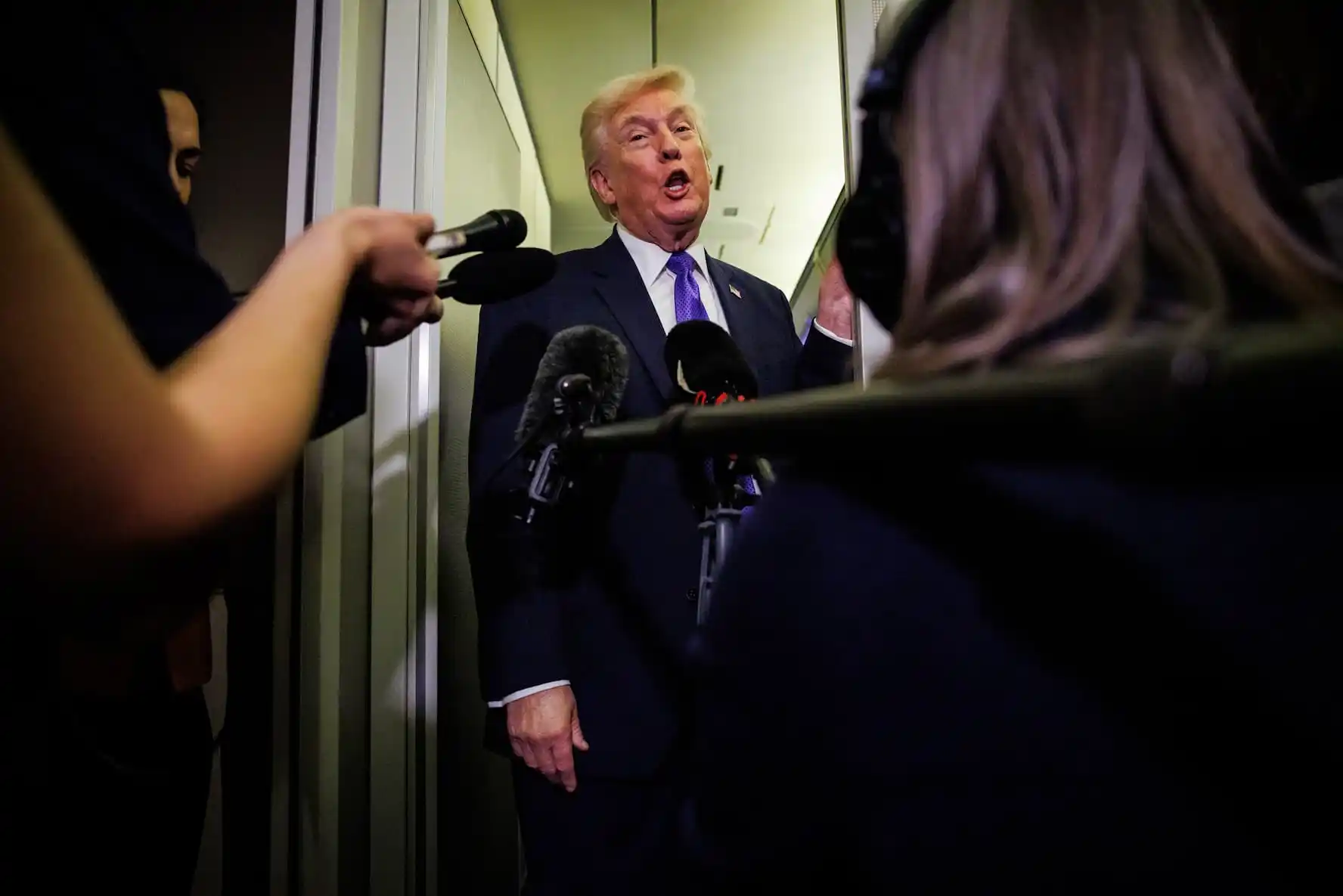
Constitution and Election Authority The U.S. Constitution gives states primary control over federal election procedures, limiting presidential authority in this area. Federal authority functions only through Congress, which may set…
-
A key intelligence law expires in April and the path for authorization is unclear
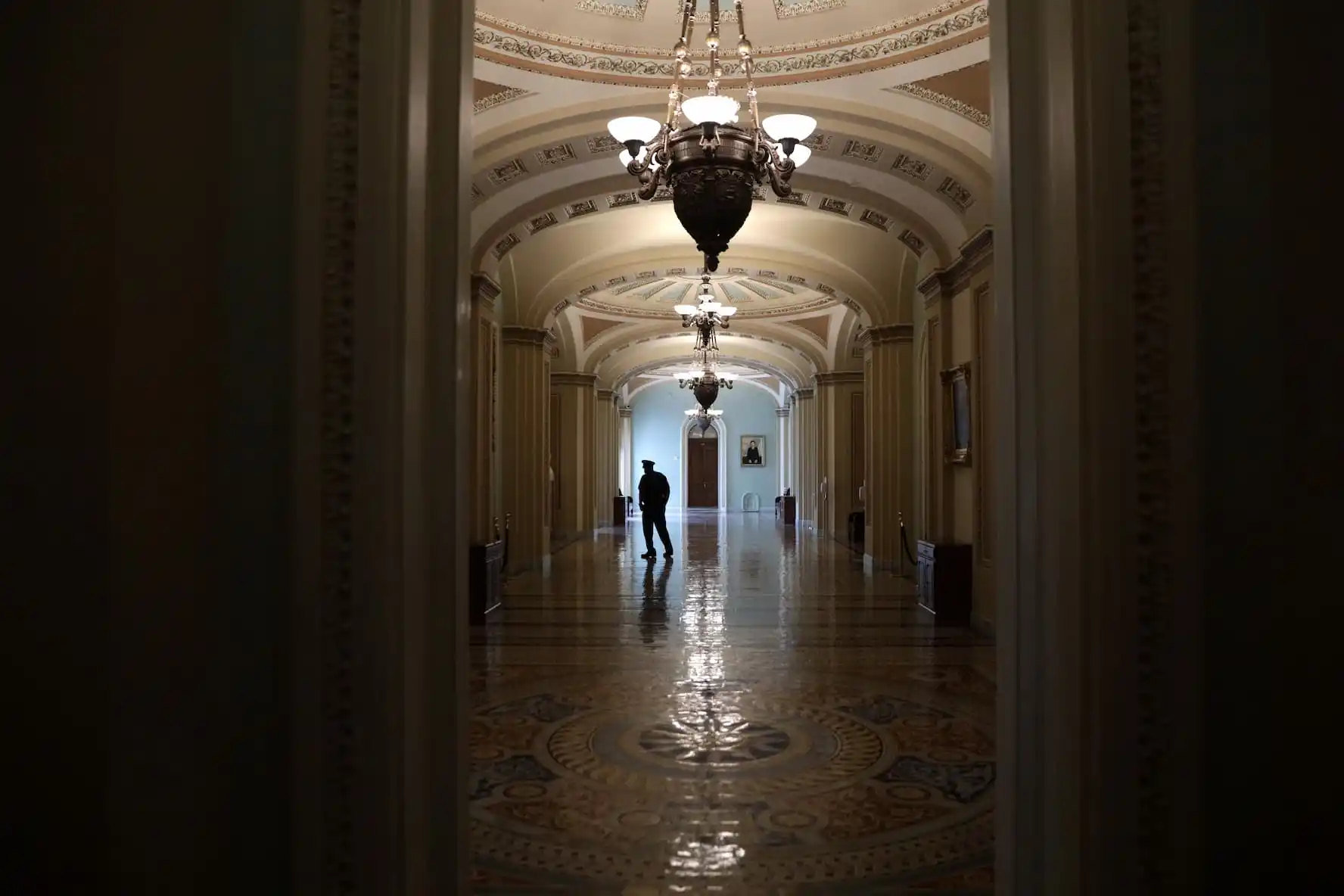
Purpose and Imminent Expiration Section 702 of the Foreign Intelligence Surveillance Act (FISA) lets the U.S. government conduct warrantless electronic surveillance on non-U.S. persons abroad with compelled assistance from U.S.…
-
AI risks from non-state actors
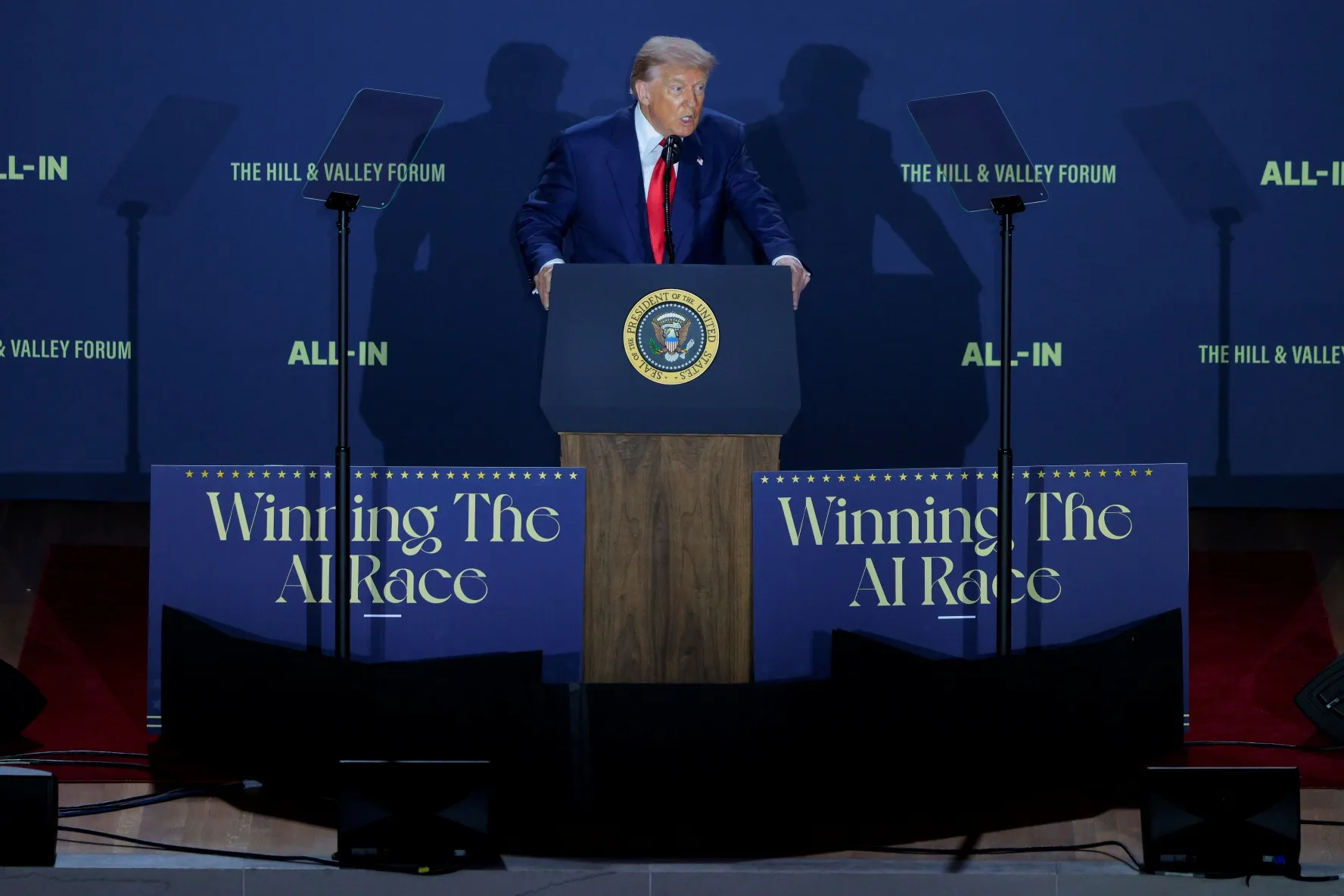
Overview of AI Misuse Risks Advanced AI tools can empower individuals of groups with harmful capabilities once limited to powerful states or specialists. Frontier models now offer expert-level reasoning and…
-
Did “America First” tariffs work?
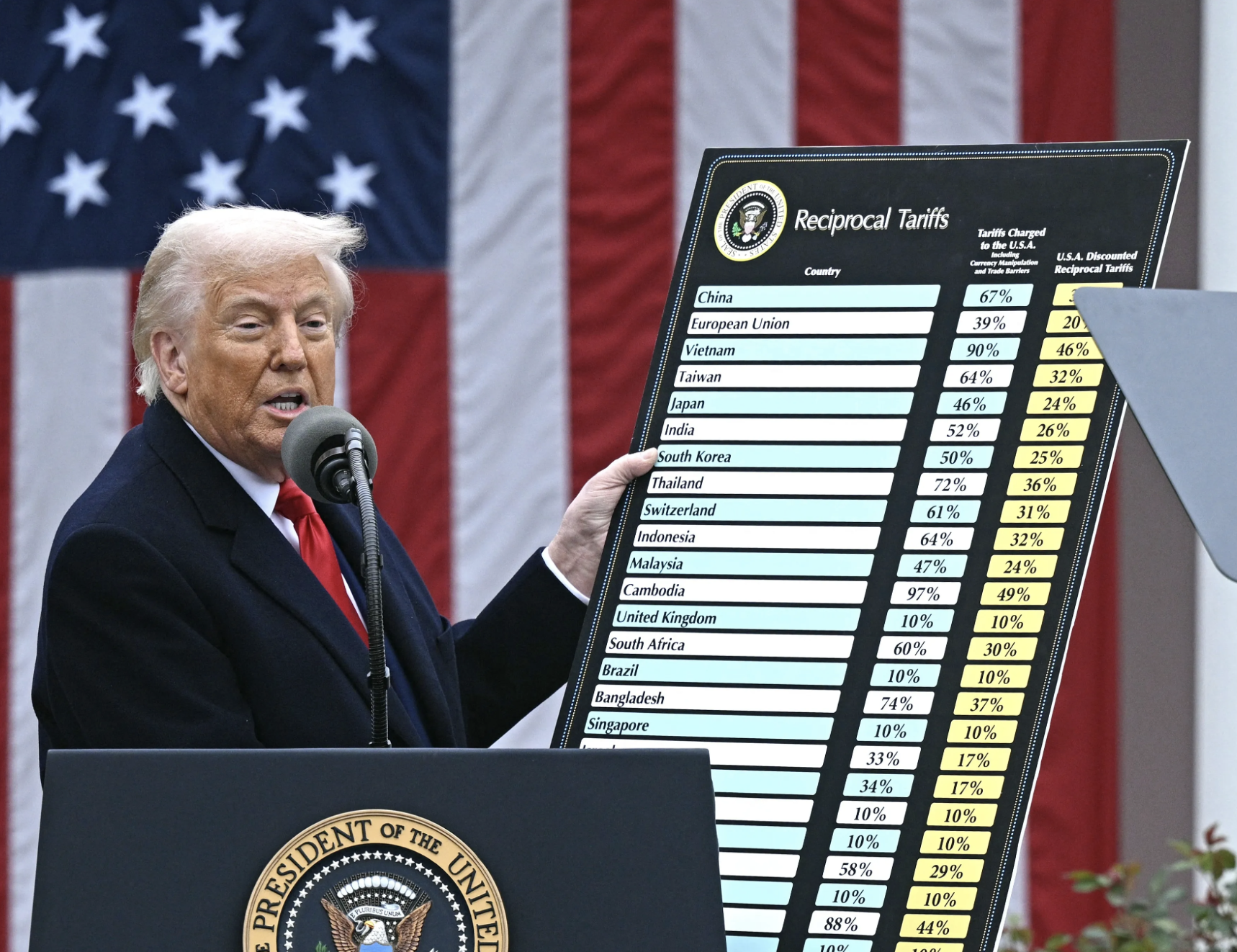
Context of the America First Trade Policy Since early 2025, U.S. trade policy shifted sharply from rules-based liberalism to discretionary tariffs and trade actions. This new approach departs from post-World…
-
Who has to leave the Federal Reserve next?
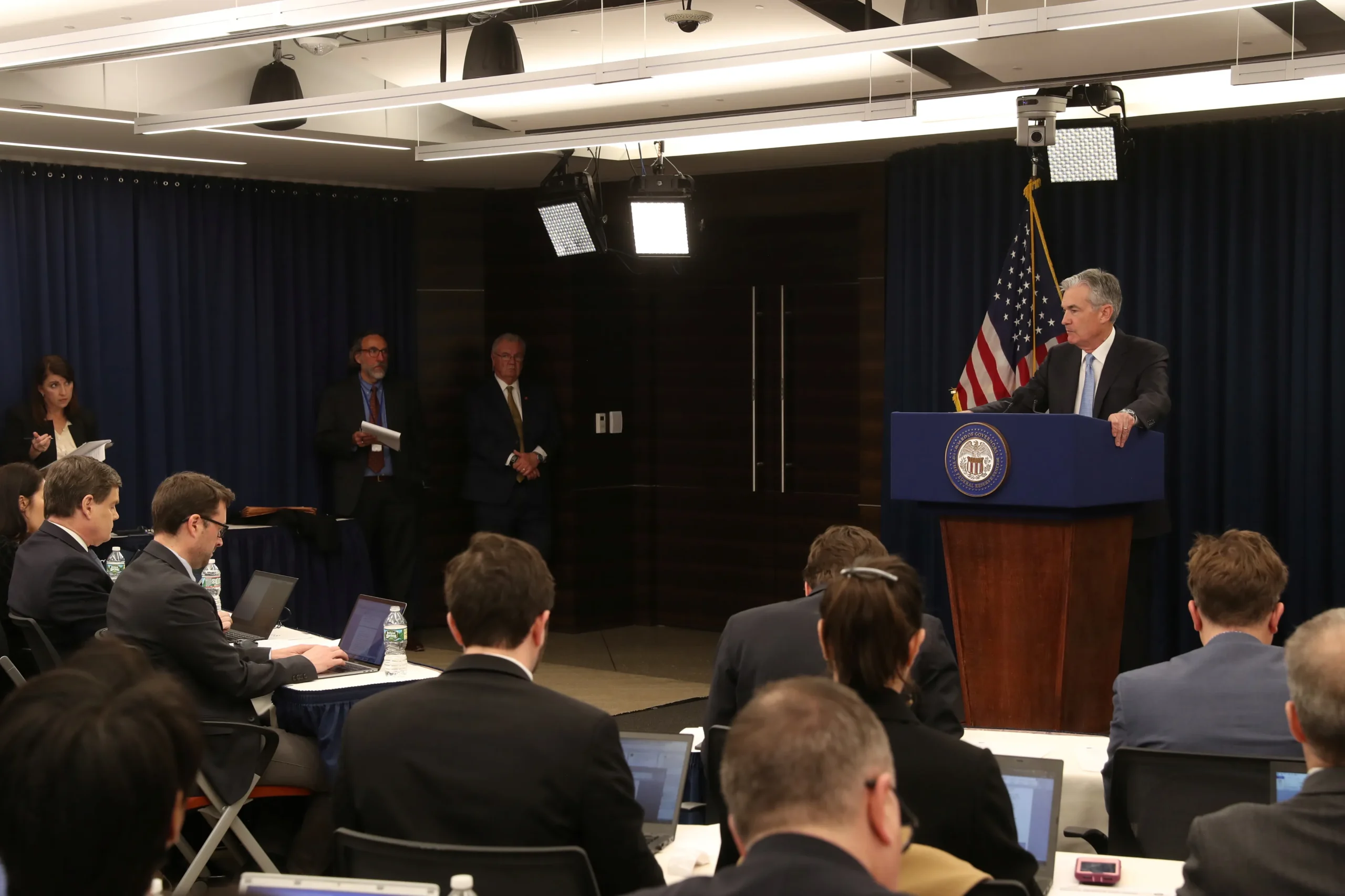
Overview of Federal Reserve Turnover Leadership at the Federal Reserve is changing substantially. Both the Board of Governors in Washington and regional Federal Reserve banks see turnover recently. This affects…
-

Turning the data center boom into long-term, local prosperity
En: APEC/PECCThe Acceleration of the Data Center Economy The rapid expansion of artificial intelligence has intensified demand for large-scale data centers across the United States. Consequently, regions with land, power access,…
-

Why Spheres of influence are useless
En: APEC/PECCWhy Spheres of Influence Are Impractical Today First, major powers are seeking separate regions of dominance amid renewed global competition, yet neither the U.S. nor China can cut themselves off…