
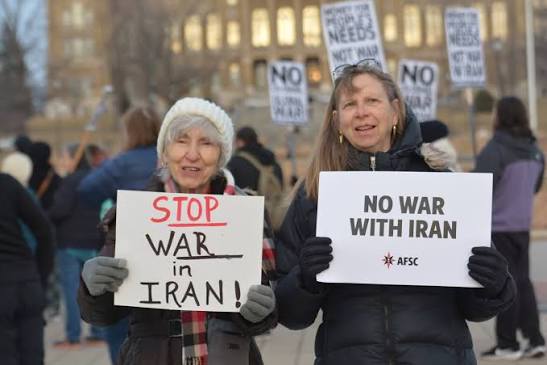
A Historic Ceasefire Agreement
President Donald Trump and Iranian President Masoud Pezeshkian have signed an initial memorandum of understanding aimed at ending the 110-day war between the United States and Iran. This interim agreement establishes an immediate halt to hostilities on all fronts, including the conflict involving Hezbollah in Lebanon. The breakthrough represents a dramatic shift toward diplomacy after months of intense airstrikes, maritime blockades, and severe disruptions to the international order.
Key Players and Concessions
The agreement, heavily mediated by Pakistan and finalized during the G7 summit in France, introduces substantial reciprocal concessions. Washington has agreed to immediately waive U.S.-backed economic sanctions, allowing Iran to freely resume its crude oil exports and granting access to frozen assets. In return, Tehran has committed to down-blending its stockpile of highly enriched uranium on-site under the direct monitoring of the International Autonomous Energy Agency (IAEA).
Economic Shockwaves and Energy Security
The most immediate global impact of the agreement is the reopening of the Strait of Hormuz, a vital maritime chokepoint through which one-fifth of the world’s oil and natural gas transits. Iran has agreed to facilitate toll-free commercial passage through the strait for a 60-day period. Following the announcement, global energy markets reacted sharply, with crude oil prices falling below 80 dollars per barrel as supply anxieties began to ease.
Regional Geopolitics and the Israeli Factor
A critical and delicate component of the accord is its affirmation of Lebanon’s territorial integrity and the cessation of military operations there. This development presents a direct challenge to Israeli Prime Minister Benjamin Netanyahu, whose government has rejected demands for immediate military withdrawal from southern Lebanon. The persistent Israeli occupation and ongoing limited strikes remain a highly volatile element that could easily derail the agreement.
The 60-Day Countdown and Renewed Risks
This memorandum of understanding does not represent a final, comprehensive treaty but rather a temporary framework that starts a 60-day negotiating clock. Both nations face immense domestic skepticism; critics in Washington argue the deal grants Iran too many upfront benefits, while Iranian citizens remain doubtful of immediate economic relief. Furthermore, President Trump has explicitly warned that the U.S. is prepared to resume bombing operations if Tehran fails to honor its nuclear commitments.
International Relevance
The resolution of this conflict carries profound implications for global governance, international security, and the stability of global energy supply chains. By averting a full-scale war in the Middle East and restoring navigation through the Strait of Hormuz, the agreement mitigates a severe energy crisis that threatened global economic growth. Moreover, the re-engagement of the IAEA to monitor Iran’s down-blending process revitalizes multilateral non-proliferation frameworks. However, the fragile nature of the 60-day timeline underscores the vulnerability of international diplomacy when confronted with deeply entrenched regional rivalries and unilateral enforcement threats.
Reference: Associated Press. (2026, June 17). US and Iran sign initial deal to end war, ease sanctions and open strait as nuclear talks continue. https://apnews.com/article/iran-us-israel-war-oil-deal-june-17-2026-19652f4611b704c0a991bf1f5bc9a4b9