
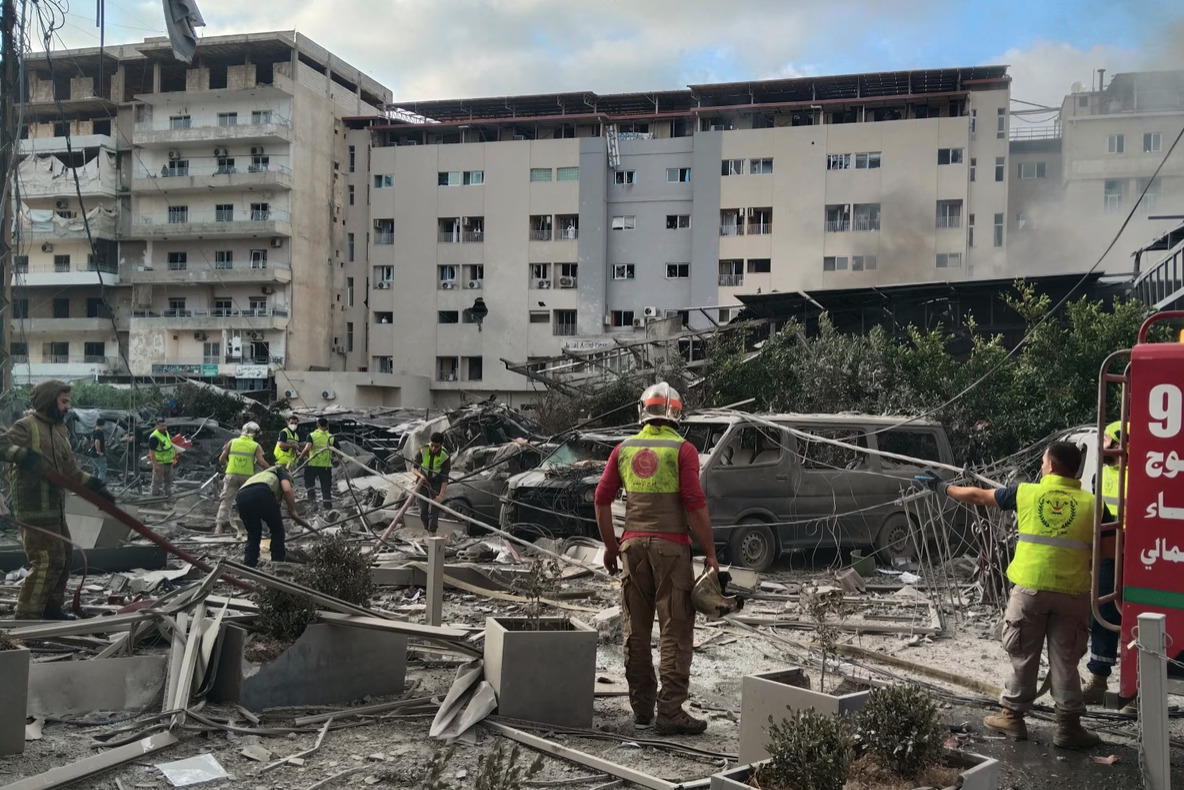
President Trump is actively pushing to end the escalating conflict between Israel and Hezbollah in Lebanon, recognizing it as a major obstacle to securing a lasting peace agreement with Iran. On Monday, Trump declared that both sides had agreed to halt hostilities and that Israeli Prime Minister Benjamin Netanyahu had called off imminent attacks in Lebanon. The Lebanese embassy in Washington confirmed Hezbollah’s agreement to the terms. However, Netanyahu clarified that Israeli forces would continue operating in southern Lebanon and remain prepared to strike terror targets in Beirut if provoked.
The Impact on U.S.-Iran Negotiations
Trump’s urgent diplomatic interventions, which included a direct phone call to Netanyahu, are aimed at preventing the delicate U.S. negotiations with Iran from completely collapsing. Tehran considers the ongoing fighting in Lebanon a direct violation of the fragile U.S.-Iran ceasefire. Trump administration officials noted that the president received briefings indicating the Israel-Hezbollah conflict is a primary reason why Iran remains unwilling to finalize a deal. While Trump’s advisers claimed a deal was close last week, the U.S. has struggled to secure ironclad guarantees that Tehran will abandon its nuclear weapons ambitions.
Despite the weekslong ceasefire holding between Washington and Tehran, significant military frictions persist. Over the weekend, the U.S. military bombed Iranian radar and drone command facilities after Iran shot down an American MQ-1 drone and targeted U.S. forces in Kuwait. Currently, the U.S. and Iran are discussing a memorandum of understanding designed to lift blockages in the Strait of Hormuz, extend the overarching ceasefire, and establish a 60-day period to resolve lingering issues regarding nuclear commitments and sanctions relief.
Political Backlash in Israel
The push for a truce was spearheaded by Secretary of State Marco Rubio, who proposed a gradual de-escalation starting with Hezbollah ceasing all attacks on Israel. In exchange, the Israeli military would refrain from escalating hostilities in densely populated Beirut. While Israel has largely held back from striking the capital following intense U.S. pressure, Trump’s public announcement of a truce sparked an immediate and fierce political backlash across the Israeli political spectrum.
Israeli lawmakers from both Netanyahu’s ruling coalition and the opposition vehemently argued that the country was appearing too beholden to Washington. Far-right National Security Minister Itamar Ben-Gvir urged Netanyahu to say “no” to Trump, while opposition leader Yair Lapid criticized the situation by calling Israel a “total protectorate state.” As Netanyahu faces significant domestic pressure and an upcoming general election, the coming days will serve as a crucial test of whether he will fully heed the Trump administration’s demands to prioritize the broader Iran negotiations.
Reference
The Wall Street Journal. (2026, junio 1). U.S. strikes Iranian air defenses, drone site in new Hormuz skirmish. The Wall Street Journal. https://www.wsj.com/world/middle-east/u-s-strikes-iranian-air-defenses-drone-site-in-new-hormuz-skirmish-727b9193